
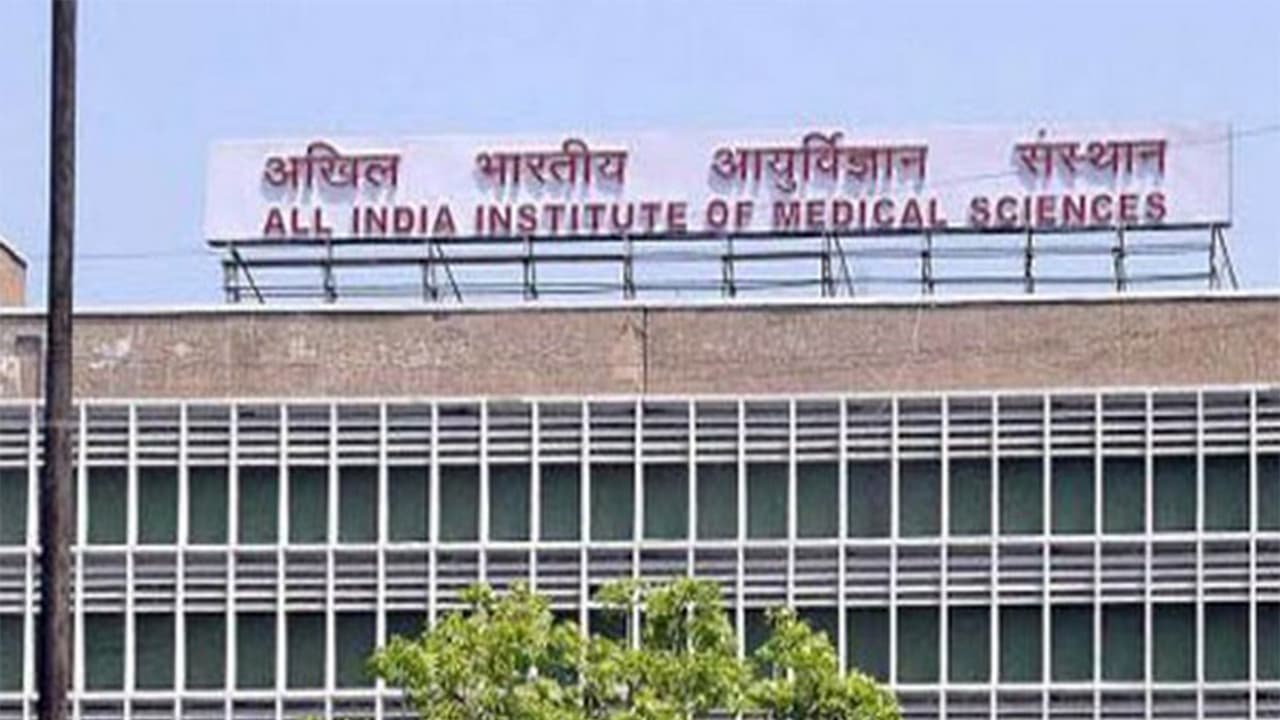
AIIMS Delhi demonstrated a telerobotic ultrasound system, allowing doctors in New Delhi to perform real-time scans in Antarctica. The system, co-developed with IIT Delhi, uses a remotely controlled robotic arm for diagnostics over vast distances.
At AIIMS Research Day 2026, Prof (Dr) SH Chandrashekhara of the All India Institute of Medical Sciences (AIIMS), New Delhi, demonstrated a telerobotic ultrasound system that enables doctors in the national capital to perform real-time diagnostic ultrasound scans from Antarctica.
A Groundbreaking Collaboration
Using an advanced telerobotic ultrasound system, the clinician remotely controlled a robotic arm holding an ultrasound probe, demonstrating the feasibility of expert radiological care across extreme geographical and climatic barriers. The system uses a robotic arm controlled remotely to position the ultrasound probe, while images are streamed back to the clinician in New Delhi. The system was co-developed by IIT and AIIMS Delhi. This demonstration was the combined project of AIIMS, IIT Delhi, IHFC, NCPOR and RGHS.
Dr Subir Kumar Saha, professor from IIT and Project Director of IHFC, was instrumental in developing and refining the telerobotic ultrasound system, ensuring precision control, robustness, and reliable remote operation, all of which are essential for deployment in extreme and isolated environments. The dedicated efforts of researchers Udayan Banerjee and Siddharth Gupta in system installation, technical setup, and extensive groundwork were crucial to translating this concept into operational reality.
Recognising its potential beyond hospitals, Dr Vikas Dogra from RGHS, long associated with the Indian Antarctic Programme, envisioned deploying this technology at Indian Antarctic stations. Drawing upon his first-hand experience of medical challenges in Antarctica, the idea of deploying telerobotic ultrasound at Indian Antarctic stations was conceived. A project of this national importance required strong institutional vision and logistical stewardship, provided by NCPOR (National Centre for Polar and Ocean Research). Under the guidance and support of Dr Anand Kumar Singh, the project received the necessary approvals. This ensured alignment with expedition safety protocols, operational realities, and on-ground feasibility.
At this critical juncture, the project also benefited immensely from the experience and institutional memory of Dr Pradip Malhotra. Dr Malhotra played a pivotal role in harmonising the efforts of multiple agencies, ensuring seamless coordination across clinical, technical, and logistical domains. Alstrut Pvt Ltd also supported the project.
Transforming Healthcare in Extreme Environments
Healthcare delivery in Antarctica presents extraordinary challenges. Members of the Indian Antarctic Expeditions work in extreme cold, complete geographical isolation, and with very limited medical infrastructure. When sudden medical emergencies arise, such as trauma, acute abdominal pain, chest symptoms, or suspected internal injuries, critical decisions regarding on-site management versus medical evacuation must be made swiftly and accurately. In such settings, diagnostic uncertainty can cost precious time and lives. It is in this context that telerobotic ultrasound emerges as a truly transformative solution
From AIIMS Delhi, a doctor controls a haptic device. Its movements are mirrored by a robotic arm in Antarctica, allowing real-time ultrasound examinations, just like a hands-on scan. Abdominal ultrasound, FAST (Focused Assessment with Sonography for Trauma) scans, echocardiography, Doppler, and neck scans have already been successfully performed.
Demonstrated Success and Future Potential
Through multiple successful trials, Dr Chandrashekhara and his team demonstrated that high-quality ultrasound imaging could be performed remotely, ensuring diagnostic feasibility and accuracy. This was a presentation of a story of innovation, one that connects advanced medical technology with one of the most remote frontiers on Earth: Antarctica.
This technology can change how we deliver healthcare, not only in Antarctica but in disaster zones, high-altitude regions, offshore platforms, and underserved rural areas. It can ensure that advanced healthcare reaches every Indian explorer, even at the end of the Earth. It is a step toward equitable, expert healthcare, anywhere in the world. (ANI)
(Except for the headline, this story has not been edited by Asianet Newsable English staff and is published from a syndicated feed.)