
The jihadists who slaughtered 20 hostages at a Dhaka restaurant were members of a homegrown Bangladeshi militant outfit and not followers of the Islamic State group, a senior minister said Sunday.
"They are members of the Jamaeytul Mujahdeen Bangladesh," Home Minister Asaduzzaman Khan told AFP, referring to a group which has been banned in Bangladesh for more than a decade. "They have no connections with the Islamic State."
"Let me clear it again, there are no ISIS or al-Qaeda presence or existence in Bangladesh...the hostage-takers were all home-grown terrorists not members of ISIS or any other international Islamist outfits," Home Minister Asaduzzaman Khan told PTI.
"We know them (hostage-takers) along with their ancestors, they all grew here in Bangladesh...they belong to homegrown outfits like JMB (Jamaatul Mujahideen Bangladesh)," he said.
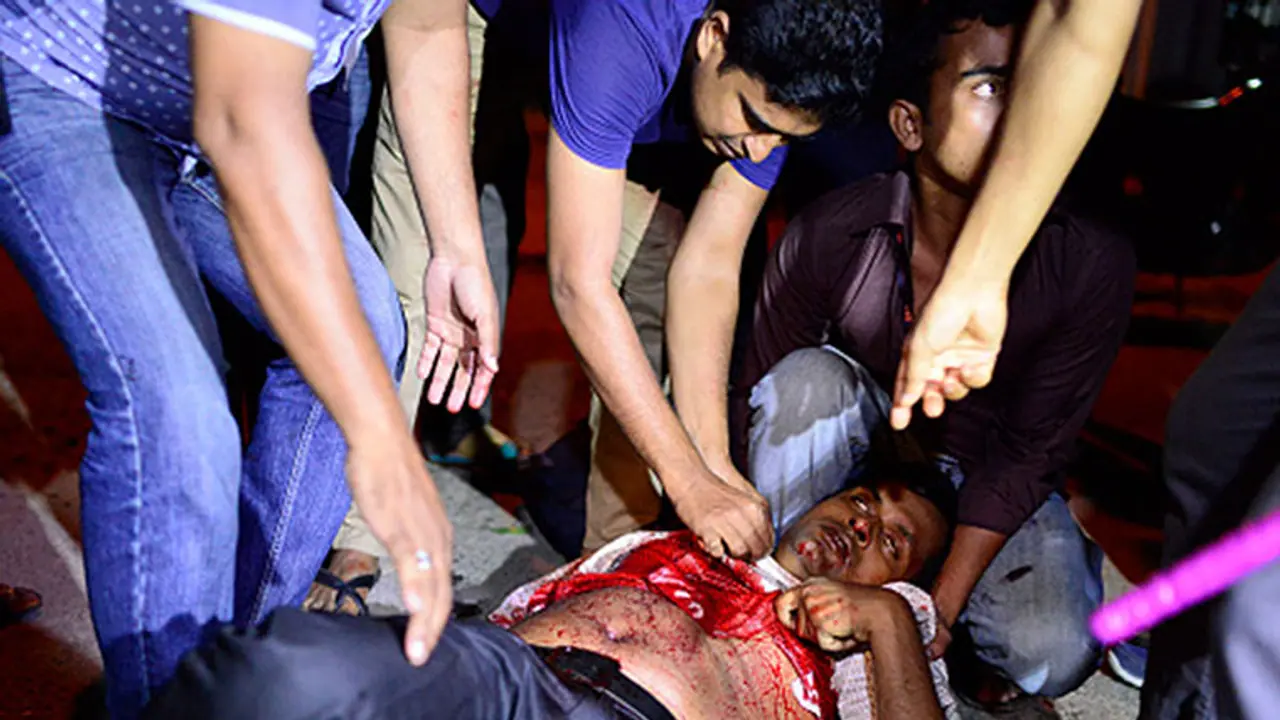
Between eight to nine gunmen stormed the Holey Artisan Cafe in a high-level diplomatic area of the Bangladeshi capital Dhaka during the night of July 1. The terrorists open fired in the packed cafe and later took the entire establishment hostage.
Security forces laid siege to the cafe for 14 hours, eventually rescuing some 20 hostages and killing six terrorists. One terrorist has been reportedly captured alive.
Also Read: What kind of Muslims kill during Ramzan, asks Bangladesh PM
The Islamic State group, however, had claimed responsibility for the attack through its Amaq news agency, nearly four hours after the hostage crisis unfolded, according to the US-based SITE Intelligence group, which monitors jihadi activity online.
In the 14 edition of the Dabiq magazine, the ISIS mouthpiece, the Islamist terrorist organisation had threatened to carry out guerrilla warfare on India with the help of existing terrorist outfits in Bangladesh and Pakistan. "Having a strong jihād base in Bengal will facilitate performing guerilla attacks inside India simultaneously from both sides and facilitate creating a condition of tawahhush in India along with the help of the existing local mujāhidīn there” said Shayak Abu Ibrahim Al-Hanif, in his interview with Dabiq magazine.
Whether these Bangladeshi militants influenced by the IS remains to be seen
