MalayalamNewsableKannadaKannadaPrabhaTeluguTamilBanglaHindiMarathiMyNation
Add Preferred SourceGoogle-icon
  • Facebook
  • Twitter
  • whatsapp
  • YT video
  • insta
  • Latest News
  • India
  • World
  • Business
  • Markets
  • Sports
  • Entertainment
  • Technology
  • Auto
  • Lifestyle
  • Home
  • Technology
  • Science
  • Last lunar eclipse of 2020: Here's what you should know

Last lunar eclipse of 2020: Here's what you should know

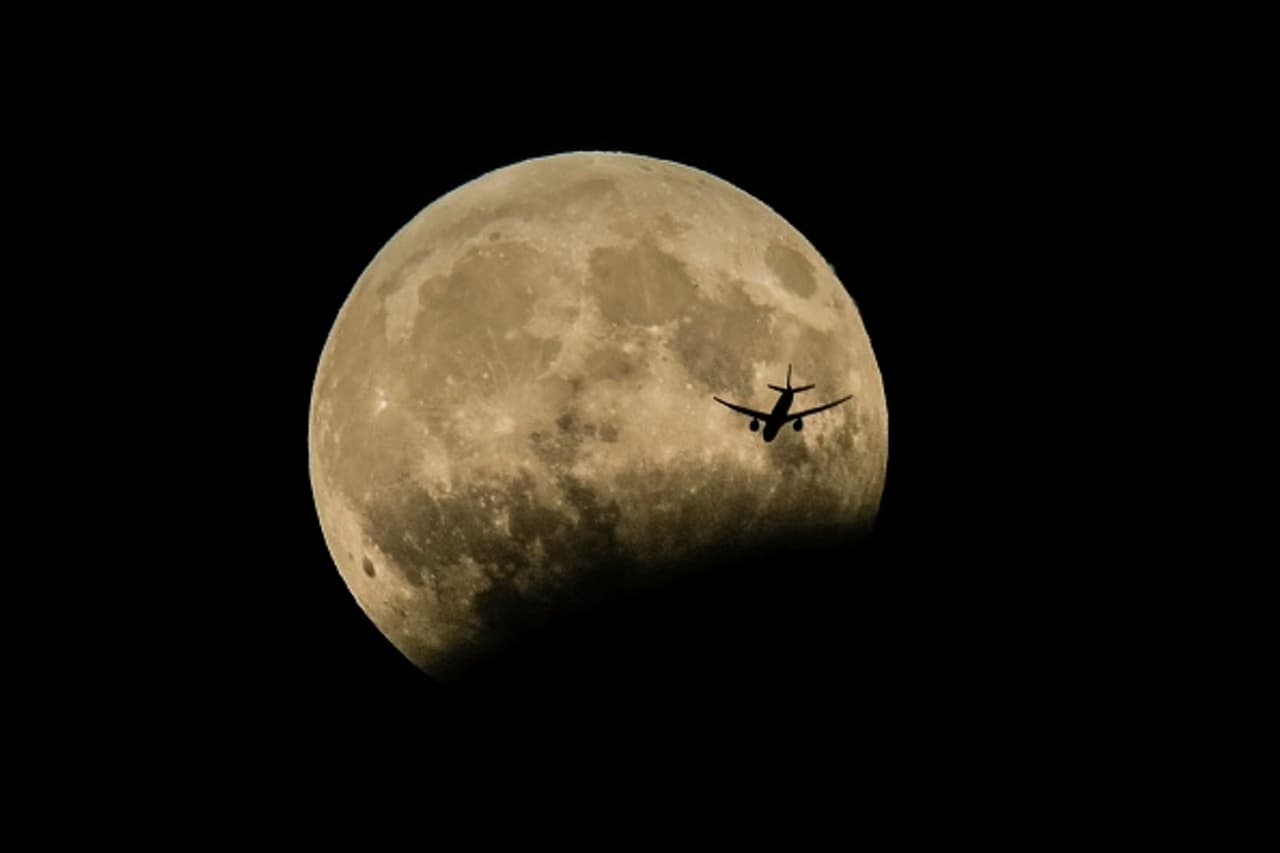
The last penumbral eclipse -- where in the sun, earth, and moon align in almost a straight line -- of the year will happen today. Here's what you should know.
2 Min read
Asianet Newsable English
Published : Nov 30 2020, 09:09 AM IST
Share this Photo Gallery
  • FB
  • TW
  • Linkdin
  • Whatsapp
  • GNFollow Us
15
<p>The lunar eclipse will not be visible in India as penumbral eclipse will begin at 1:04 pm today. It will be at its peak at 3:13 pm and and end at 5:22 pm.&nbsp;</p>

<p>The lunar eclipse will not be visible in India as penumbral eclipse will begin at 1:04 pm today. It will be at its peak at 3:13 pm and and end at 5:22 pm.&nbsp;</p>

The lunar eclipse will not be visible in India as penumbral eclipse will begin at 1:04 pm today. It will be at its peak at 3:13 pm and and end at 5:22 pm. 

Add Asianet Newsable as a Preferred SourcegooglePreferred
25
<p>According to NASA, About 85% of the moon will turn a shade darker during the peak or middle phase of the eclipse. While this type of shading effect of the moon is visible, your best chance to see it may be through a telescope</p>

<p>According to NASA, About 85% of the moon will turn a shade darker during the peak or middle phase of the eclipse. While this type of shading effect of the moon is visible, your best chance to see it may be through a telescope</p>

According to NASA, About 85% of the moon will turn a shade darker during the peak or middle phase of the eclipse. While this type of shading effect of the moon is visible, your best chance to see it may be through a telescope

35
<p>According to a report in Live Science, November's full moon is also known a Full Beaver Moon in many parts of the world. Other names for this month's full moon include the cold moon, frost moon, winter moon, oak moon, moon before Yule and child moon.</p>

<p>According to a report in Live Science, November's full moon is also known a Full Beaver Moon in many parts of the world. Other names for this month's full moon include the cold moon, frost moon, winter moon, oak moon, moon before Yule and child moon.</p>

According to a report in Live Science, November's full moon is also known a Full Beaver Moon in many parts of the world. Other names for this month's full moon include the cold moon, frost moon, winter moon, oak moon, moon before Yule and child moon.

45
<p>There were four lunar eclipses in 2020 and all were penumbral ones. The last three occurred on January 10, June 5, July 5. The next lunar eclipse will be on May 26, 2021.</p>

<p>There were four lunar eclipses in 2020 and all were penumbral ones. The last three occurred on January 10, June 5, July 5. The next lunar eclipse will be on May 26, 2021.</p>

There were four lunar eclipses in 2020 and all were penumbral ones. The last three occurred on January 10, June 5, July 5. The next lunar eclipse will be on May 26, 2021.

55
<p>Space.com quoted NASA research scientist Noah Petro as saying, "We can get really good science out of what happens to the surface of the moon during total lunar eclipses but again, the cool thing is that the moon changes colour. It's something fun to see -- it's benign, but it's a change. And anytime we see change in the skies, it's always kind of exciting."&nbsp;</p>

<p>Space.com quoted NASA research scientist Noah Petro as saying, "We can get really good science out of what happens to the surface of the moon during total lunar eclipses but again, the cool thing is that the moon changes colour. It's something fun to see -- it's benign, but it's a change. And anytime we see change in the skies, it's always kind of exciting."&nbsp;</p>

Space.com quoted NASA research scientist Noah Petro as saying, "We can get really good science out of what happens to the surface of the moon during total lunar eclipses but again, the cool thing is that the moon changes colour. It's something fun to see -- it's benign, but it's a change. And anytime we see change in the skies, it's always kind of exciting." 

About the Author

AN
Asianet Newsable English
Latest Videos
Recommended Stories
Recommended image1
You Spend 78 Minutes Travelling Each Day, No Matter Where You Live or How You Travel
Recommended image2
Talking to the Dead with AI: The Promise, the Illusion, and the Business Behind It
Recommended image3
Who Was James Watson: The DNA Pioneer Who Changed Science Forever
Recommended image4
How GSAT-7R Makes India's Navy More Connected, Secure and Ready at Sea
Recommended image5
Why ISRO’s Heaviest Satellite Launch Marks a New Era for India's Space Power
News
Breaking News TodayLatest News TodayIndia NewsWorld NewsKarnataka NewsKerala NewsIndian Defence NewsBengaluru News
Entertainment
Entertainment NewsOTT ReleaseBigg BossMovie ReviewsBox Office Collection
Sports
Sports NewsCricket NewsFootball NewsWWE NewsOther Sports
Lifestyle
Lifestyle NewsFood and RecipesHealth NewsAstrologyCareer NewsWeb Stories
Business
Business newsShare Market NewsGold PriceDA Hike8th Pay CommissionTechnology NewsAutomobile News
Weather
WeatherKolkata WeatherChennai WeatherBengaluru Weather
Asianet
Follow us on
  • Facebook
  • Twitter
  • whatsapp
  • YT video
  • insta
  • Download on Android
  • Download on IOS
  • About Website
  • Terms of Use
  • Privacy Policy
  • CSAM Policy
  • Complaint Redressal - Website
  • Compliance Report Digital
  • Investors
© Copyright 2025 Asianxt Digital Technologies Private Limited (Formerly known as Asianet News Media & Entertainment Private Limited) | All Rights Reserved