What Is Dosa Called in English? The Real Meaning Behind India’s Favourite Dish
It is one of India’s most recognisable dishes and has crossed borders, cultures and generations. But there is one interesting detail about this beloved Dosa that continues to surprise many people around the world
Dosa Has No Separate English Name
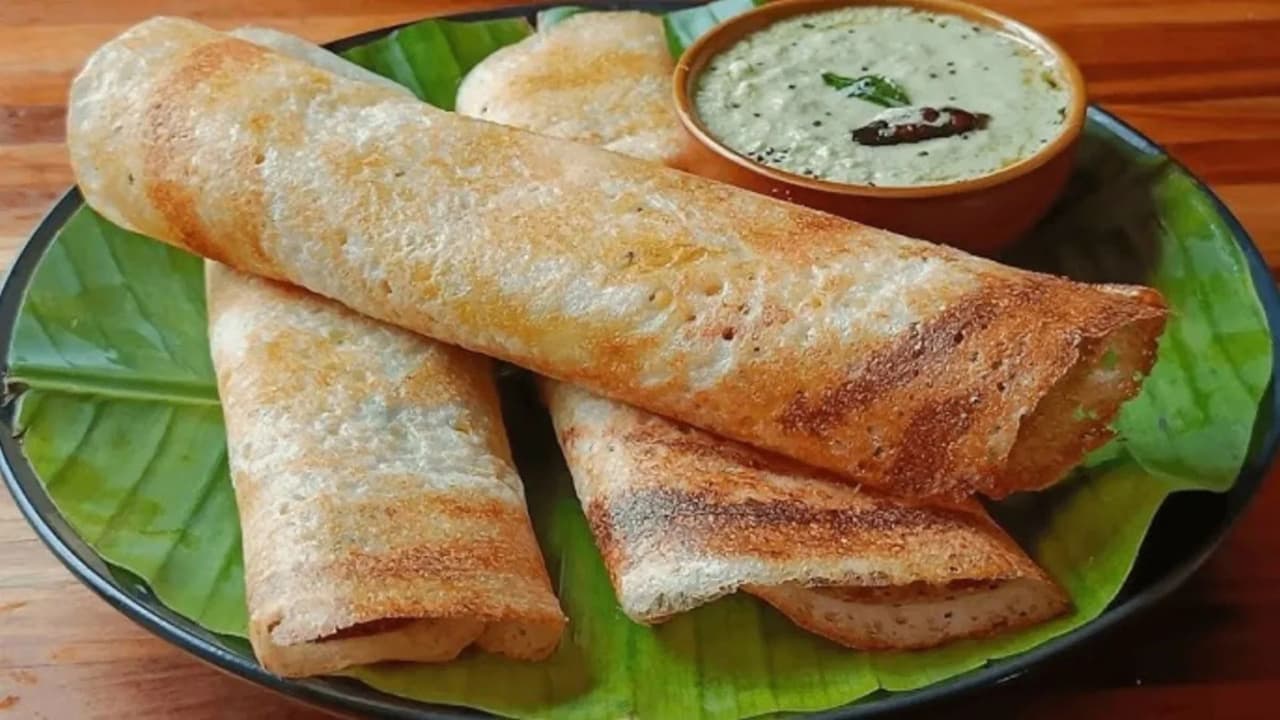
Unlike many traditional dishes that get translated into English, dosa has kept its original name across the world. Whether you visit a café in London, a restaurant in New York or a local eatery in India, the dish is simply called dosa.
English dictionaries usually explain it as a “thin savoury pancake” or “South Indian crepe” made from fermented rice and lentil batter. These descriptions only help people understand its texture and preparation style, but they are not alternate names.
Popular varieties like masala dosa, paper dosa and rava dosa also retain their original Indian names internationally. This is one reason why dosa has become instantly recognisable in global food culture.


The South Indian Roots Behind the Word
The word “dosa” comes from South Indian languages where the dish has been prepared for centuries. Different states pronounce and spell it slightly differently depending on the local language and tradition.
In Tamil, it is commonly called “dosai”. Kannada speakers use “dose”, while Malayalam and Telugu have their own regional variations. Over time, English adopted the simpler and more widely accepted spelling “dosa”.
Food historians believe the dish originated in South India long before it became popular in the rest of the country. Today, it is considered one of the most iconic foods representing South Indian cuisine globally.
The Interesting Legend Connected to Dosa
One popular food legend links dosa to the Sanskrit-Kannada word “dosha”, which means fault or mistake. According to the story, a Brahmin priest accidentally allowed rice batter to ferment while trying to prepare a drink.
Instead of wasting the batter, he spread it onto a hot pan and cooked it into a crispy dish. Since fermentation was supposedly viewed as improper in that context, people began referring to it as “dosha”, which later evolved into “dosa”.
Although historians do not consider this story proven fact, it remains a fascinating tale often shared in conversations about Indian food history. Whether true or not, the legend adds another layer of cultural richness to this beloved dish.
From humble South Indian kitchens to international restaurant menus, dosa has travelled across continents without losing its original name. Its simplicity, flavour and cultural identity are exactly why the world still proudly calls it dosa.
Explore the latest Lifestyle News covering fashion, wellness, travel, Food and Recipes, and more. Stay updated with trending Health News, fitness tips, and expert insights to inspire your daily living. Discover personalized lifestyle trends that keep you stylish and informed. Download the Asianet News Official App from the Android Play Store and iPhone App Store for everything that adds value to your everyday life.