- Home
- Lifestyle
- Parenting Guide: 7 Things Parents Must Never Do in Front of Their Children for Better Growth
Parenting Guide: 7 Things Parents Must Never Do in Front of Their Children for Better Growth
Children learn by observing their parents, and certain behaviors can deeply impact their emotional growth. This guide highlights 7 things parents should never do in front of kids for healthier development.
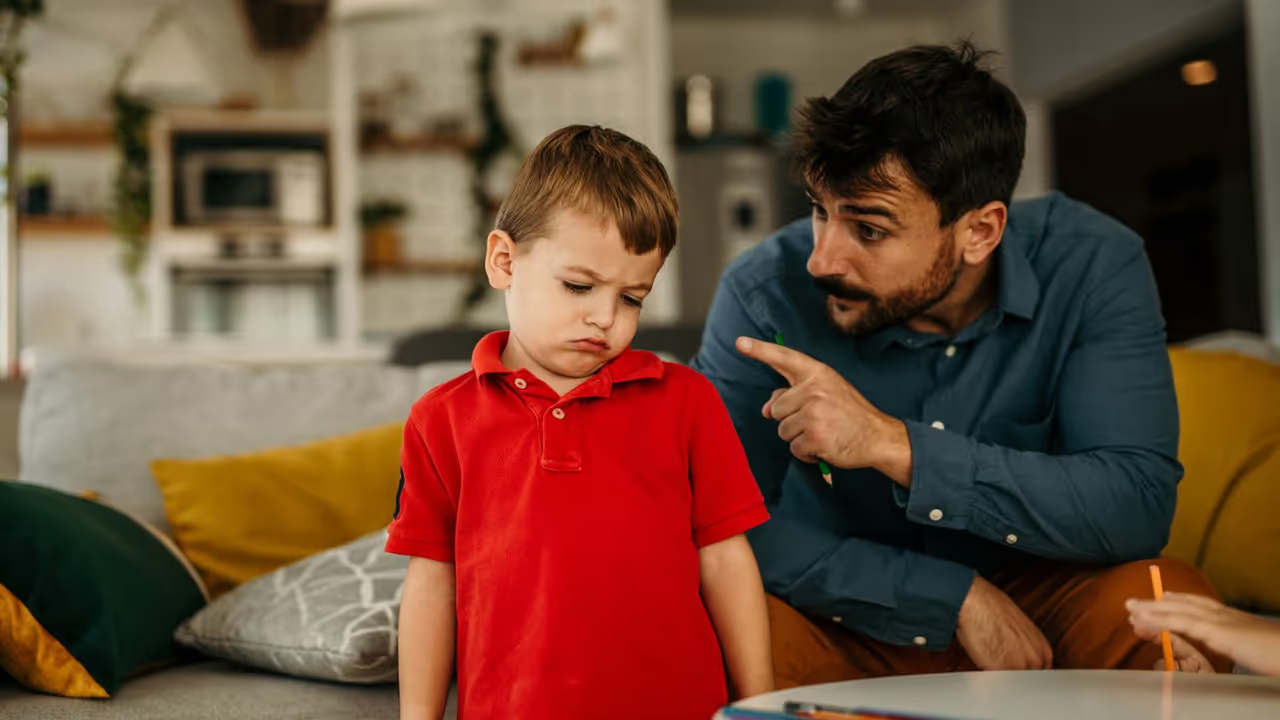
Parenting is a big responsibility. Children learn more from what they see than from what they are told. Parents become models for children, who are most affected by the behaviors they see at home. Certain actions, usually subconsciously done by the parent, can dent the confidence, security, and overall development of a child. Seven acts that parents should avoid doing in front of children so as to protect and nurture their mental well-being are as follows.


1. Constant Arguing or Fighting
Frequent arguments between parents create an atmosphere of insecurity and stress for children. Besides fear, the child may even blame himself for the arguments. Calm verbalizations, away from the sight of the children, soothe their fears of abandonment and increase their emotional stability.
2. Disrespecting Others
Children imitate everything their parents do. They may see this way of talking as a normal way of talking. Instead, kindness and empathy from their parents will teach them how to interact positively and respectfully with others.
3. Negative Self-Talk
Most common mistake in parenting, Constant self-criticism by parents about their appearance, failures, or worthiness becomes a standard by which a child measures the outcome of his own emotional well-being. He may go on to develop low self-esteem or high levels of anxiety. On the other hand, parents should display feelings of self-compassion, thereby imprinting the importance of one having confidence and self-acceptance.
4. Uncontrolled Anger
If a child sees their parent yelling, yelling, or breaking something, it creates fear in the child and makes him emotionally reticent. Anger is a common emotion, but when controlled and expressed correctly, this becomes a teaching opportunity for a child to learn how to deal with his own emotions correctly.
5. Ignoring or Discounting Emotions
If parents can easily dismiss their feelings and those of their children, then it is quite likely their children will learn that feelings do not matter. When this happens, they learn poor emotional regulation as well as ineffective communication skills. On the flip side, teaching children to validate and express emotions will build their emotional resilience.
6. Unhealthy Positive Modeling
Children observe their parents' patterns: too much junk food, sedentary time, or substance use. Such behaviors might incentivize them to follow an equally unhealthy lifestyle. Parents' modeling of balance in eating, exercising, and moderating through various substances will help cement mental and physical wellness throughout their child's life.
7. Criticizing or Comparing Children
Criticism and comparison can severely damage a child's potential for self-worth. It can stir feelings of anxiety, resentment, or even withdrawal from any form of self-expression. On the contrary, nurturing, appreciation, and constructive feedback will foster confidence and motivation within him due to bad parenting.
Explore the latest Lifestyle News covering fashion, wellness, travel, Food and Recipes, and more. Stay updated with trending Health News, fitness tips, and expert insights to inspire your daily living. Discover personalized lifestyle trends that keep you stylish and informed. Download the Asianet News Official App from the Android Play Store and iPhone App Store for everything that adds value to your everyday life.