Is Reheating Milk Safe? Here's Why It Could Be Harmful to Your Health
Here, you can learn about the side effects of reheating milk frequently, including potential health risks, loss of nutrients, and changes in taste and texture that may make it unsafe to consume.
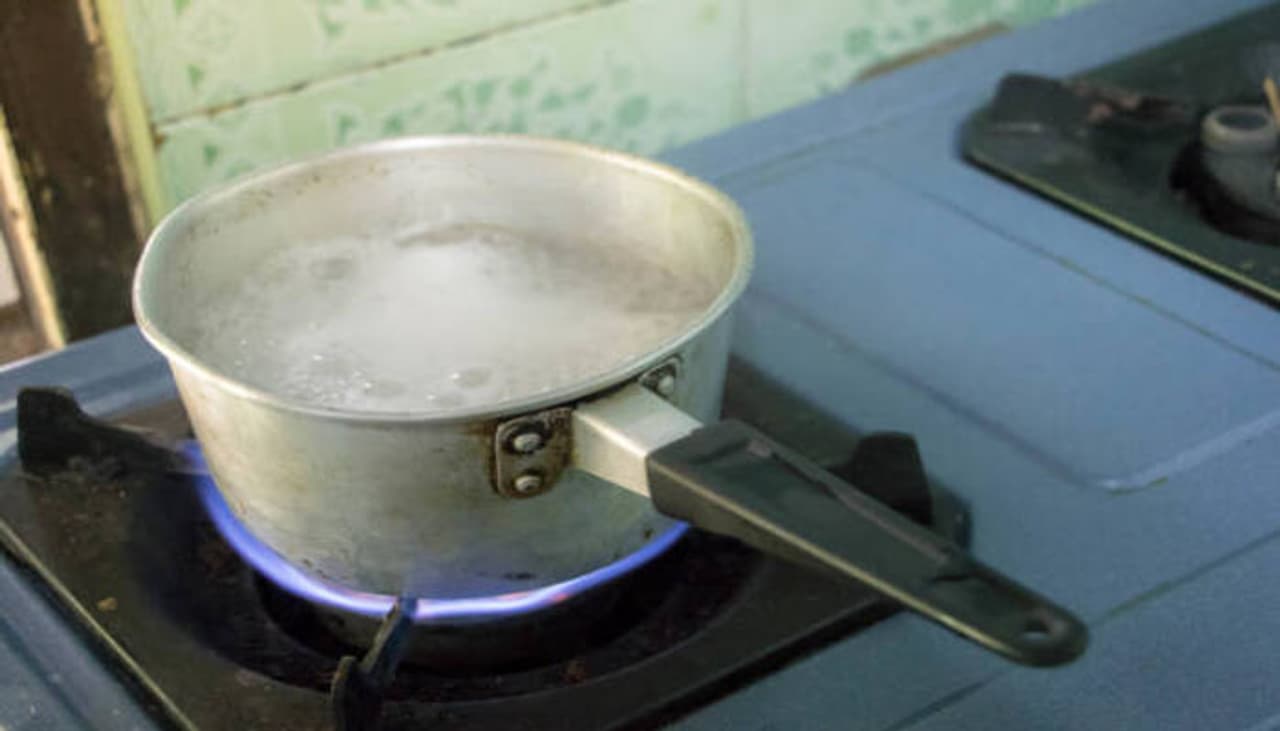
Milk is a daily essential in many homes, especially with children. Typically, people buy cow’s or packaged milk, boil it once to ensure safety, and then store it in the fridge. Later, they reheat the milk before consumption for convenience and taste.


Reheating milk might seem convenient to prevent spoilage, but it can have harmful effects. Experts caution that repeatedly boiling milk increases glycation, a process that can damage proteins and negatively impact health if consumed frequently. It's best to avoid multiple reheats.
Repeatedly heating milk produces harmful chemicals that can harden blood vessels and red blood cells, increasing the risk of clots, poor blood flow, heart attacks, and liver inflammation, posing serious health threats over time.
The cycle of reheating and cooling milk destroys vital nutrients like Vitamin D, B vitamins, and proteins. To retain milk’s health benefits, it’s best to consume it fresh and in moderation without repeated reheating.
Explore the latest Lifestyle News covering fashion, wellness, travel, Food and Recipes, and more. Stay updated with trending Health News, fitness tips, and expert insights to inspire your daily living. Discover personalized lifestyle trends that keep you stylish and informed. Download the Asianet News Official App from the Android Play Store and iPhone App Store for everything that adds value to your everyday life.