Know the Signs: Heart Attack, Cardiac Arrest, and Heart Failure Explained
We often hear about heart attacks, cardiac arrests, and heart failure, but many confuse them. Understanding the differences can clear up this confusion.

Heart Attack:
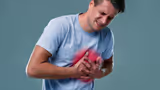
A heart attack happens when blood flow to the heart is blocked, usually by a clot in a coronary artery. This blockage deprives the heart muscle of oxygen, causing damage. Symptoms include chest pain, left arm pain, sweating, and shortness of breath. Women may experience different symptoms like fatigue and indigestion. A heart attack is a medical emergency requiring immediate treatment.


Cardiac Arrest:
Cardiac arrest is when the heart suddenly stops beating due to electrical malfunctions. It can be triggered by a heart attack, but it can also occur independently. A person experiencing cardiac arrest will collapse, become unresponsive, and stop breathing. Immediate CPR and defibrillation are crucial. Every second counts; quick action can be life-saving.
Heart Failure:
Heart failure is a chronic condition where the heart can't pump enough blood. It develops gradually. Causes include high blood pressure, diabetes, and heart attacks. Symptoms include shortness of breath, leg swelling, fatigue, and coughing. Ongoing medical care, medication, and lifestyle changes are necessary to manage it.
Symptoms and Immediate Attention:
While related, heart attack, cardiac arrest, and heart failure have different root causes and urgency. A heart attack is a circulation problem; cardiac arrest is an electrical problem; heart failure is a pumping problem. Seek immediate medical attention for any heart discomfort.
Prevention and Lifestyle Changes:
Lifestyle changes are key to preventing heart disease. A healthy diet, regular exercise, maintaining a healthy weight, avoiding smoking, and limiting alcohol are essential. Managing conditions like diabetes, high blood pressure, and high cholesterol also reduces risk. Finding ways to manage stress is also beneficial.
CPR and AED Training:
CPR and AED use in the first few minutes of cardiac arrest greatly increase survival chances. Public CPR training empowers bystanders to help in emergencies. Many organizations and hospitals offer training. It's a life-saving skill and a way to contribute to your community.
Explore the latest Lifestyle News covering fashion, wellness, travel, Food and Recipes, and more. Stay updated with trending Health News, fitness tips, and expert insights to inspire your daily living. Discover personalized lifestyle trends that keep you stylish and informed. Download the Asianet News Official App from the Android Play Store and iPhone App Store for everything that adds value to your everyday life.