
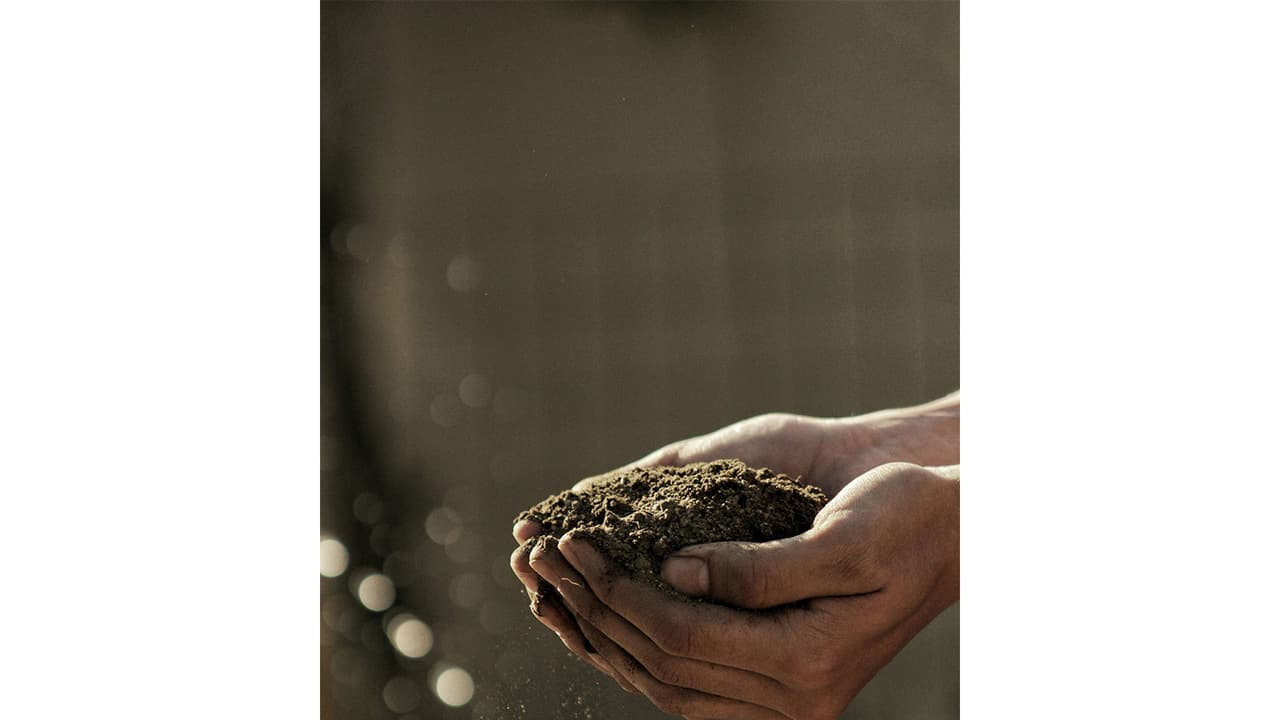
Scientists developed a simpler, cheaper, and accurate method to measure DNA-bound phosphorus in soil. The technique helps researchers understand how microbes recycle the essential nutrient, potentially leading to better soil fertility and sustainable agriculture.
The Significance of Phosphorus Research
Phosphorus is essential for plant growth and food production, but natural phosphorus reserves are limited. Understanding how the nutrient is stored, transformed and released in soil is therefore important for maintaining fertile farmland and improving nutrient use. The study, published in the Journal of Agricultural and Marine Sciences, focuses on DNA-bound phosphorus (DNA-P), a component of the organic phosphorus pool associated with living microorganisms.
Developing a Simpler Measurement Technique
The researchers tested and modified an existing laboratory procedure and applied the improved method to 32 soil types from across the United Kingdom. They found that the streamlined approach was easier and less expensive while retaining the precision and sensitivity required for reliable measurements. A major change was the removal of enzyme treatments that had previously been part of the procedure. The researchers found the treatments were unnecessary. Ultrafiltration, however, remained essential because it separates DNA-bound phosphorus from other phosphorus-containing compounds. Without this step, DNA-P measurements would be less accurate.
Insights from the New Method
DNA-P accounted for only a small proportion of the total organic phosphorus in the soils studied. However, its concentration was strongly associated with several soil characteristics, including pH, microbial biomass phosphorus, organic matter and phosphorus dissolved in soil water. These relationships indicate that DNA-P is more closely associated with living soil microorganisms than with long-term, stable phosphorus reserves.
Measuring it could therefore provide researchers with a window into the more biologically active part of the soil phosphorus cycle.
Supporting Sustainable Agriculture
The researchers say the improved technique offers a more practical way to investigate biologically active phosphorus and how microbial communities affect the amount of phosphorus available to plants. As agriculture faces pressure to use finite phosphorus resources more efficiently, the method could support further research into soil fertility, nutrient management and more sustainable food production. (ANI)
(Except for the headline, this story has not been edited by Asianet Newsable English staff and is published from a syndicated feed.)