What is CNG?
Compressed Natural Gas or CNG is one of the cheapest and cleanest fuels that can be used in vehicles in India. It mostly consists of methane and compressed natural gas. The cost of CNG in India varies depending on various factors like domestic production of gas, cost of imported natural gas, government regulations, and transport/distribution costs of CNG in India.
Why CNG Prices Differ Across Indian Cities?
CNG prices differ among various cities of India. The prices vary due to different costs associated with transportation of the commodity, lack of presence of pipelines, operational cost and policies of individual states. Cities that have an established system of distribution of the gas tend to be characterized by stable prices.
Why More Vehicle Owners Are Switching to CNG
A growing number of drivers in India are switching to CNG from conventional fuel types. This happens for valid reasons. First, the cost of CNG is relatively low when compared with that of petrol and diesel. It is therefore cheaper for use. Second, CNG burns much cleaner, reducing emissions to the environment. Besides, it causes less engine wear and thus maintenance cost is low.
CNG vs Petrol vs Diesel: Which Fuel Is More Economical?
Comparing different fuels, many people notice that CNG gives them better savings in terms of cost per kilometre travelled. Although the mileage of different cars varies, usually CNG is cheaper than petrol and diesel. Therefore, most users make an analysis of their driving habits and fuel costs to decide whether they should change their fuel type to CNG or buy a car running on CNG.
Factors That Influence CNG Price Changes
There are a number of reasons why the price of CNG can change. Among them there are domestic supplies of natural gas, energy price trends, changes in the government policy, and the costs involved in distribution and infrastructure. The seasonal demand and the currency rate affect the price as well.
Benefits of Tracking CNG Prices Regularly
Monitoring the price changes of CNG is rather useful for drivers. You will be able to calculate the monthly fuel costs, compare them with other fuels such as petrol and diesel, and make a budget accordingly. This monitoring is important if you plan to convert your car to CNG.
Growing CNG Infrastructure in India
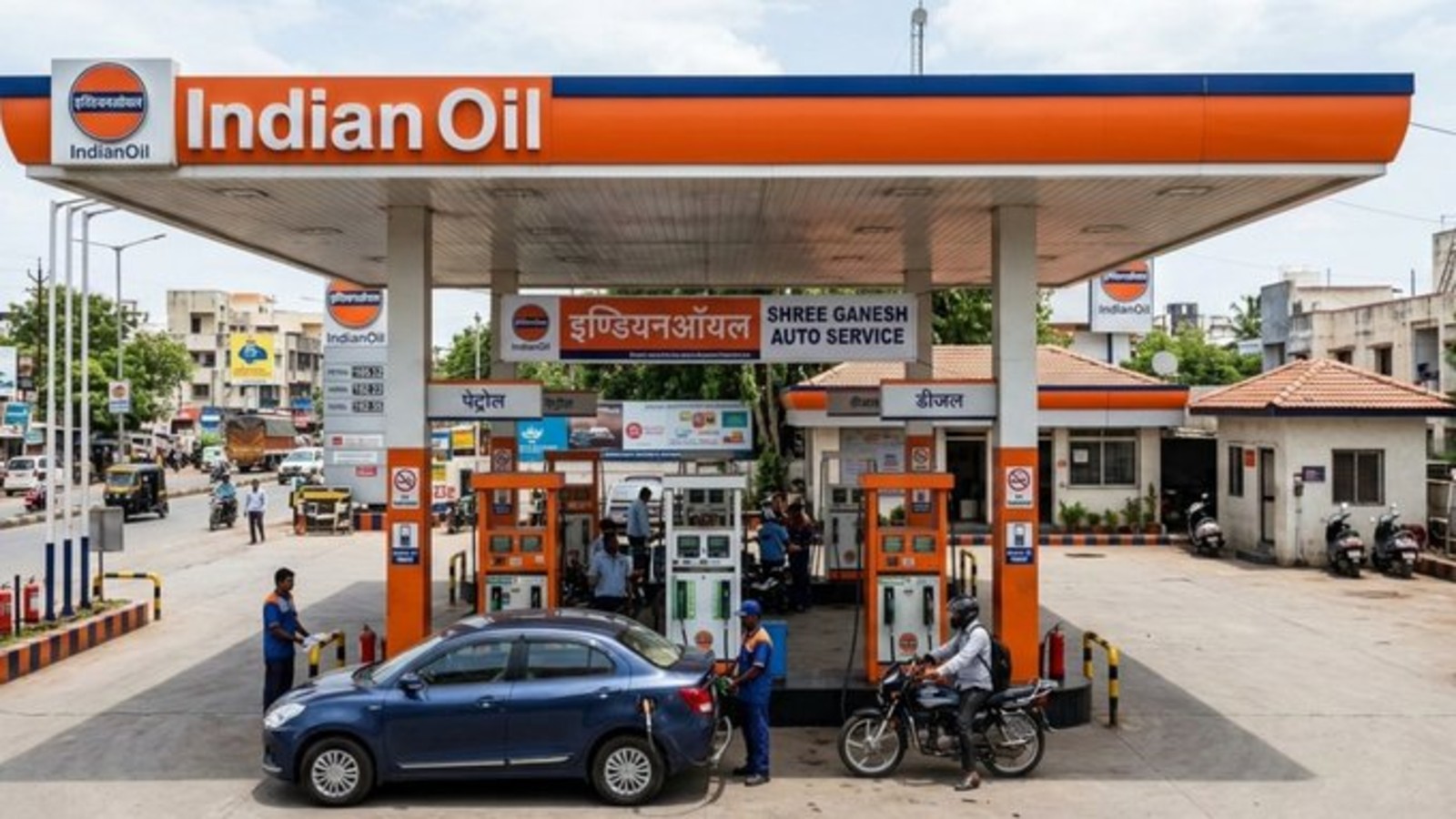
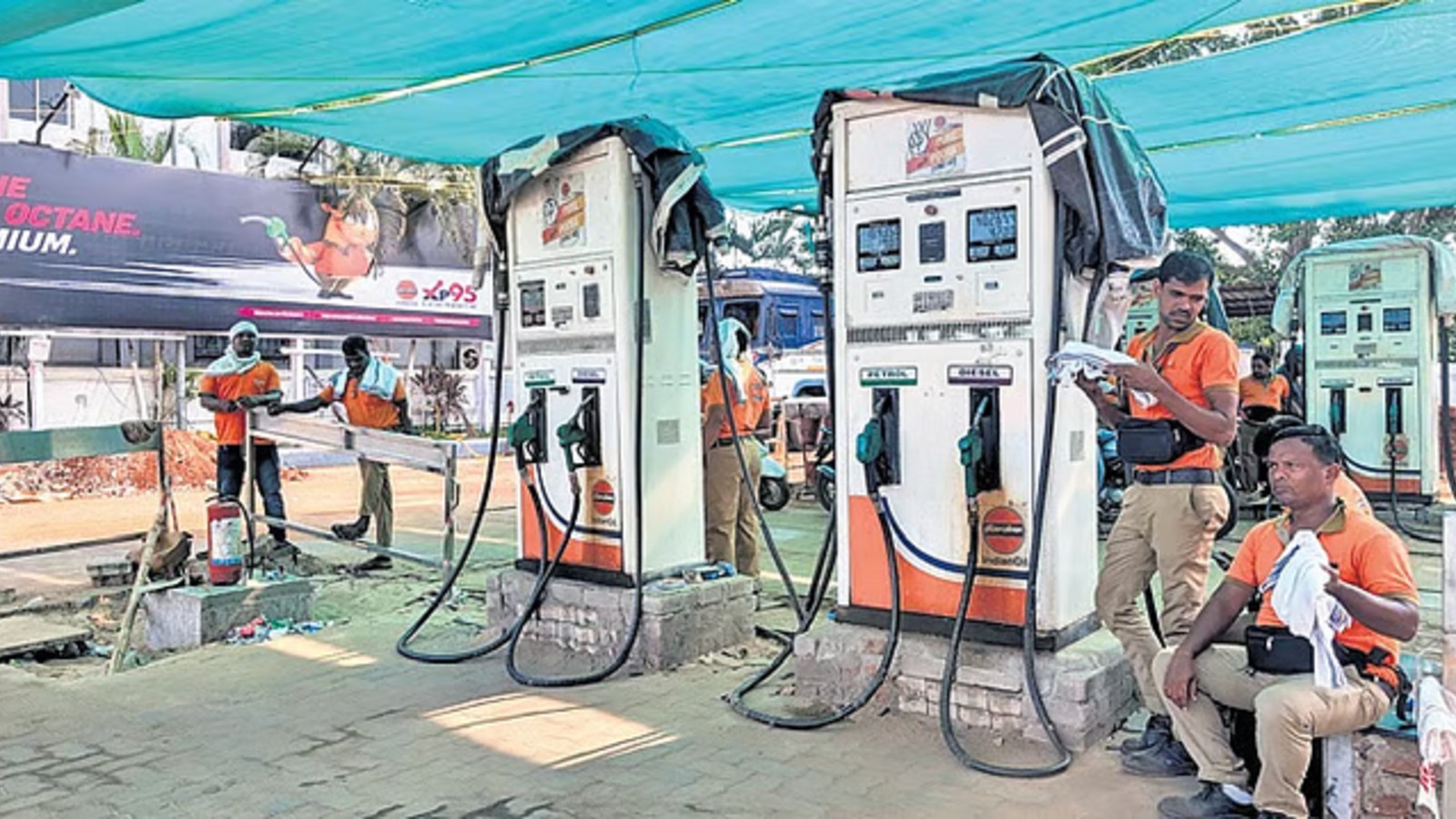
The availability of CNG stations in India has increased at a fast pace, and there have been an increasing number of stations constructed within cities and even on highways. With greater accessibility, the use of CNG is becoming easier not only for private vehicles but also for taxi companies, commercial trucks, and public transport systems.
Key Terms Every CNG User Should Know
Below are the terms used in CNG for regular users:
Compressed Natural Gas (CNG)
A pure fuel having its principal constituent as methane and kept under high pressure as a substitute for gasoline or diesel oil in automobiles.
City Gas Distribution (CGD)
A system responsible for conveying CNG to fuel stations as well as supplying piped natural gas for residential, industrial, and commercial use in cities.
Natural Gas Allocation
The quantum of natural gas allotted by regulatory bodies to the distributors to be used for CNG dispensing and domestic purposes.
Compression Charges
The quantum of natural gas allotted by regulatory bodies to the distributors to be used for CNG dispensing and domestic purposes.
Dealer Margin
The commission received by the owners of CNG fuel stations is on fuel sales and service charges.