
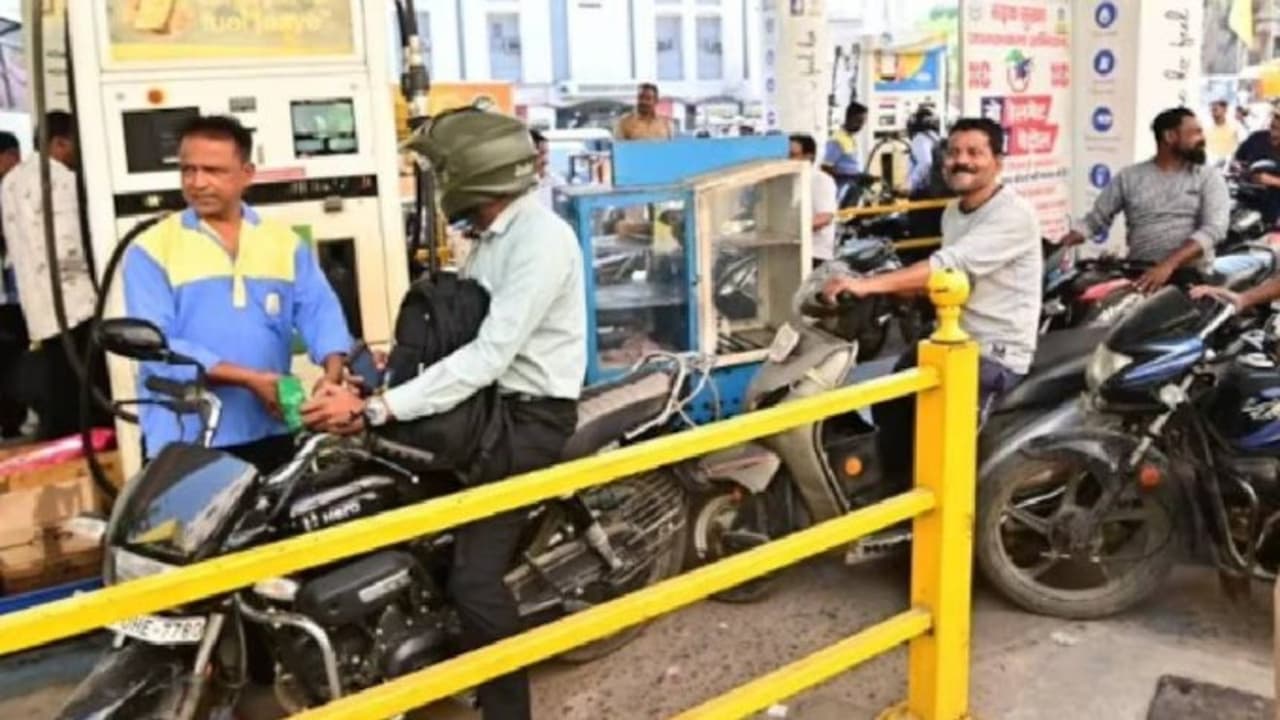
The Indian government has cut the excise duty on petrol and diesel due to surging global crude oil prices. However, this is unlikely to cause an immediate drop in retail fuel prices for consumers. The reduction is expected to help oil marketing companies offset their losses from high input costs.
India’s decision to slash excise duty on petrol and diesel has raised a key question among consumers: will fuel prices actually come down? While the move signals relief, the real impact on retail prices is more complex.
The government recently reduced the special excise duty on petrol from ₹13 per litre to ₹3 and completely scrapped the ₹10 per litre duty on diesel. The decision comes amid a sharp surge in global crude oil prices triggered by the ongoing conflict in West Asia and disruptions in key supply routes like the Strait of Hormuz.
Explaining the rationale, Petroleum Minister Hardeep Singh Puri said the government had two choices—either pass on the rising costs to consumers or absorb the burden itself. The Centre opted to cushion citizens from global volatility by taking a hit on revenues.
Will fuel prices actually fall?
Despite the tax cut, experts suggest petrol and diesel prices may not see an immediate drop. This is because global crude prices have surged significantly, with oil companies already facing steep input costs.
Oil marketing companies (OMCs) such as Indian Oil, BPCL and HPCL have been absorbing losses due to elevated crude prices. The excise duty reduction is likely to help offset these losses rather than translate directly into cheaper fuel for consumers.
As a result, the move is being seen more as a price stabilisation measure rather than a direct price cut at fuel pumps.
Also Read: Explained: Why India Cut Petrol, Diesel Excise Duty Amid West Asia Oil Crisis
Why the government intervened
The global energy market has been under intense pressure due to geopolitical tensions involving the US, Iran and Israel. Crude prices have surged above $100 per barrel, forcing many countries to either hike fuel prices or introduce rationing.
India, heavily dependent on oil imports, faced the risk of a sharp rise in inflation. By cutting excise duty, the government aimed to protect consumers and prevent a broader economic impact.
Additional measures to manage the crisis
Alongside the duty cut, the government has also imposed export taxes on diesel and aviation fuel to ensure adequate domestic supply. This is intended to prevent shortages and maintain stability in the domestic market.
The bottom line
While the excise duty cut offers relief, it may not immediately reduce petrol and diesel prices across cities. Instead, it helps limit further price hikes, support oil companies, and control inflation during a period of global uncertainty.
In essence, the government’s move is less about making fuel cheaper overnight and more about shielding the economy from a deeper shock caused by volatile global oil markets.
Also Read: India an 'oasis of energy security' amid global crisis: Hardeep Puri
