
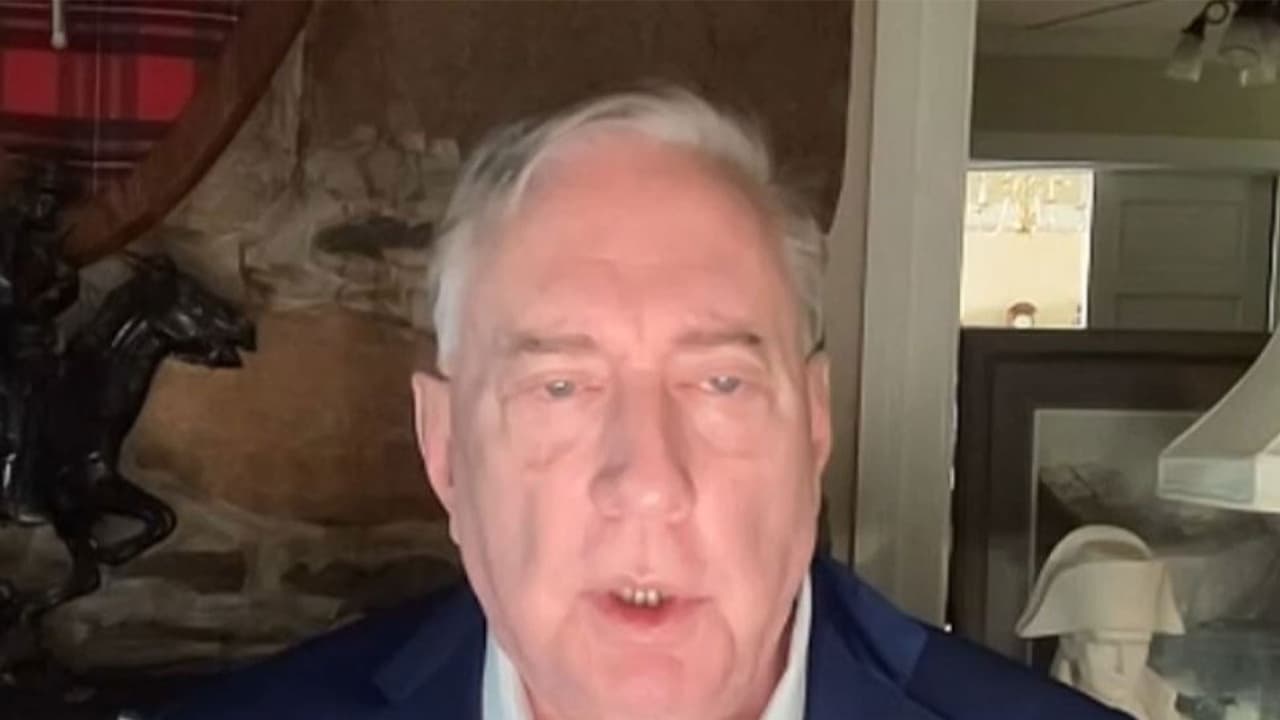
Geopolitical expert Col. Douglas Macgregor calls India's move to buy Russian crude and build a fertilizer shield the 'right track' to ensure resource sovereignty amid warnings of a US oil crisis and escalating West Asia conflict risks.
India's Strategy 'On the Right Track'
India's decision to secure discounted Russian crude and build a USD 36 billion domestic fertilizer shield is "the right track" as the West Asia conflict threatens to disrupt Hormuz trade and push the US toward an oil crisis, says Geopolitical Risk Advisor Col. Douglas Macgregor (Retd.).
In an interview with ANI, Col. Macgregor warned that the Strategic Petroleum Reserve could be exhausted in 3-8 weeks and urged all countries to focus on resource sovereignty as Gulf energy risks escalate. Macgregor said the current Indian government is "on the right track" by buying discounted Russian crude "to combat the Hormuz" disruption risk and by building a $36 billion fertilizer shield through coal gasification and biomass. "It's a pragmatic economic strategy. It's a strategy for resource sovereignty. And that's the real lesson for you, for us, for everyone. That we must tend to our resource sovereignty from now on and into the future," he stated.
Iran's Threat and Global Economic Risk
On the conflict's impact on crude, Macgregor warned that Iran has promised to "destroy everything that's left on the western coast of the Persian Gulf" if bombing does not stop. Financial analysts estimate such an attack could shrink the global economy by 30-36%, he said, comparing it to the 20% contraction of the Great Depression in the 1930s.
US Oil Reserves Nearing Depletion
He noted that some oil and financial analysts in the US have told him the Strategic Petroleum Reserve could run out "somewhere between three weeks and eight weeks from now," with California particularly vulnerable due to dependence on Persian Gulf imports.
Stagflation Fears and Fed's Dilemma
Macgregor described the West Asia conflict as a major shock, reviving stagflation concerns through elevated energy, transportation and logistics costs. US inflation jumped from 3.2% in March to 3.8% in April, and projections point to 5-6% by July-August. He argued the Federal Reserve would be trapped, unable to raise rates to fight inflation because "if he raises interest rates, our economy will probably implode."
Shift in US Strategic Interest Questioned
He stressed that the US' core strategic interest in the Gulf before the war was simply "to keep things moving in and out of the Gulf. That's all," but now the US is "fighting a war for Israel" instead. If US President Trump suspended operations and resumed Gulf traffic, "everybody would say, fine, not a problem," he argued. (ANI)
(Except for the headline, this story has not been edited by Asianet Newsable English staff and is published from a syndicated feed.)