Tiruppur, India's knitwear hub, hit record exports of Rs 46,000 crore in FY2026. The cluster eyes Rs 1 lakh crore by 2030 via diversification, sustainability, and tech, despite labour shortages and rising input costs impacting current margins.
Tiruppur Hits Record Knitwear Exports Targets 1 Lakh Crore by 2030
Tiruppur, popularly known as India's 'Knitwear Capital', recorded its highest-ever knitwear exports of Rs 46,000 crore in FY2026, registering a 3 per cent increase from Rs 44,750 crore in FY2025, according to a report by Rubix Data Sciences. The report also mentioned that the textile manufacturing hub is now targeting knitwear exports of Rs 1 lakh crore by 2030, as it looks to strengthen its global presence through product diversification, technology adoption and sustainable manufacturing practices.
Tiruppur accounts for around 60 per cent of India's total knitwear exports and nearly 90 per cent of the country's cotton knitwear exports. The cluster exports its products to more than 50 countries, with the European Union and the United States together accounting for around 70 per cent of its production exports.
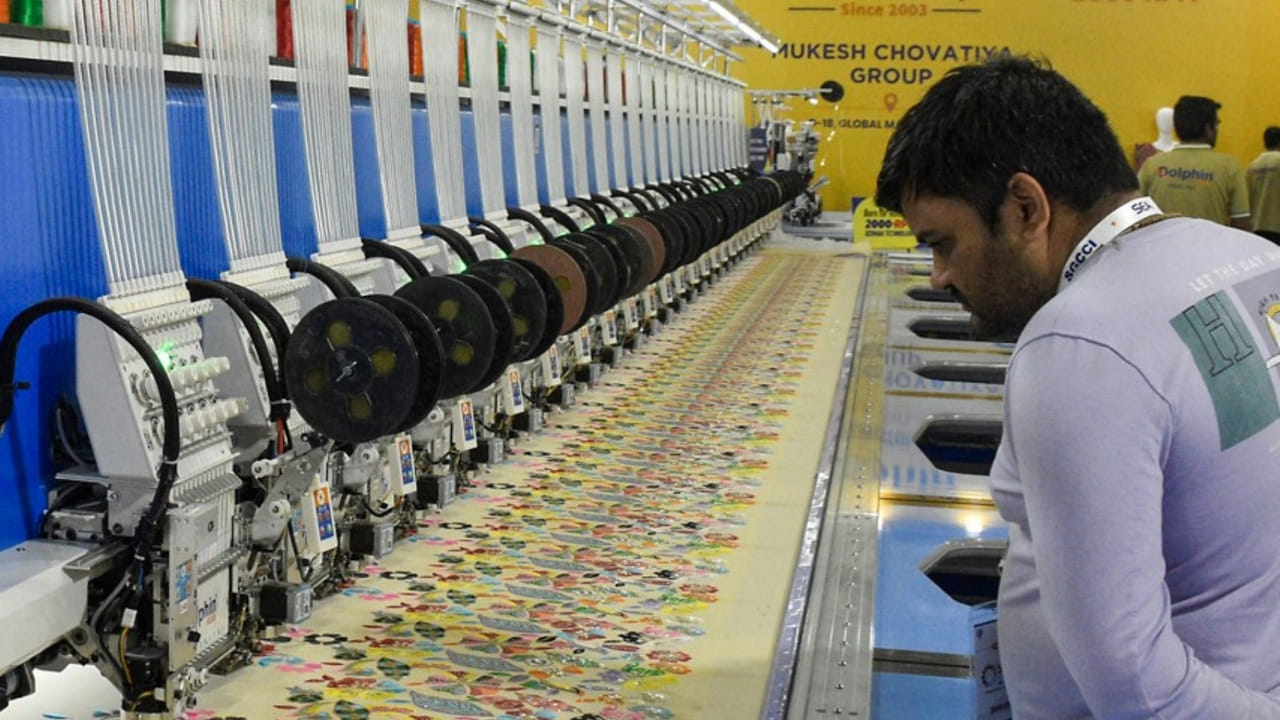
The cluster's manufacturing strength is supported by an integrated ecosystem of more than 20,000 units engaged in knitting, dyeing, printing, embroidery and garmenting. These specialised enterprises enable manufacturers to access complementary production capabilities and complete orders within turnaround times of around 21-28 days. The industry directly employs more than six lakh workers, making it one of the major employment-generating textile clusters in the country. However, the sector faces challenges from labour shortages, rising raw material prices and technology gaps among smaller manufacturers. The report estimates a labour shortage of around 20 per cent in the cluster.
The report also shared that rising input costs have also put pressure on exporters' margins, with knitwear production costs increasing by up to 15 per cent by the end of September 2026, driven by higher cotton yarn prices. To achieve its long-term export ambitions, the industry is also focusing on diversifying its product portfolio beyond cotton-based knitwear. The report stated that the man-made fibre (MMF) products currently account for around 10 per cent of the cluster's turnover, while the industry is targeting an equal 50:50 mix of cotton and MMF-based products.
Sustainability is another key area of focus for Tiruppur. The cluster has become the world's first textile cluster to implement 100 per cent Zero Liquid Discharge (ZLD). Its 18 Common Effluent Treatment Plants and 60 Individual Effluent Treatment Plants collectively treat around 130 million litres of effluent every day, achieving approximately 96 per cent water recycling and reuse. The cluster has also developed around 1,950 MW of renewable energy capacity. Looking ahead, Tiruppur is expected to contribute USD 11.5 billion towards Tamil Nadu's textile export target of USD 21 billion, while India aims to achieve USD 100 billion in textile exports by 2030.