
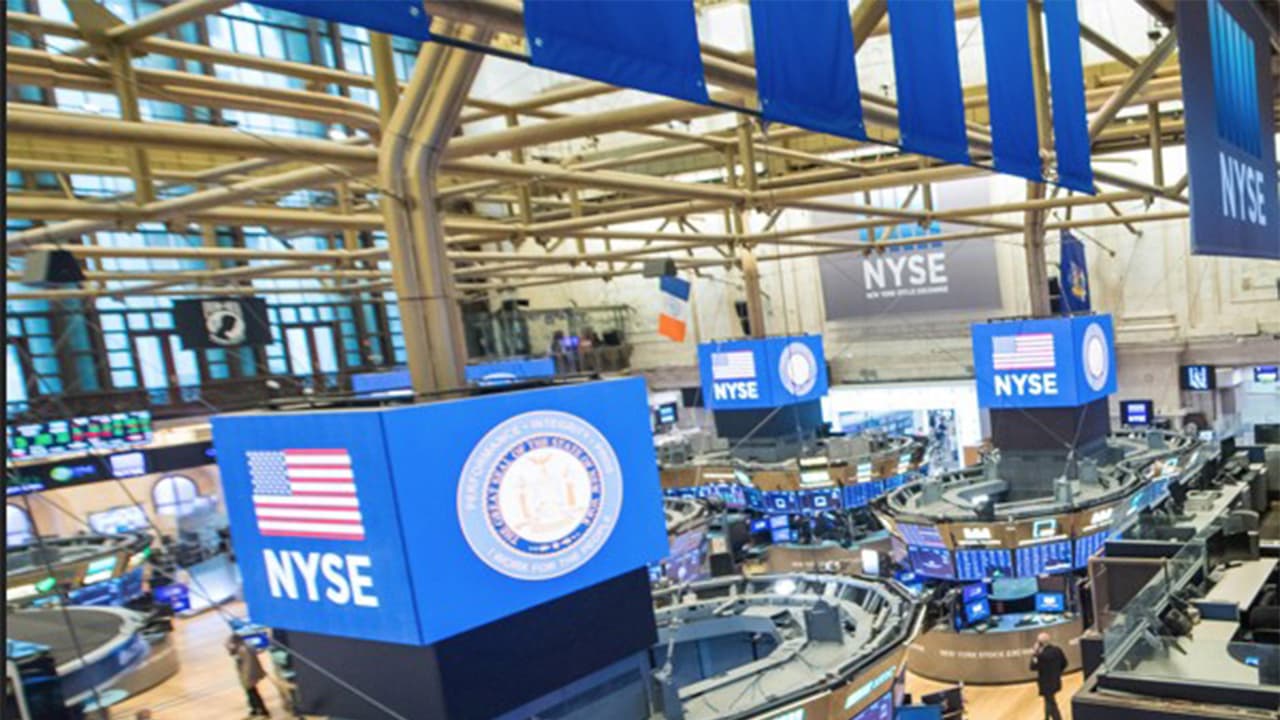
A BofA Securities report warns a prolonged war and sustained high oil prices pose risks to financial markets, threatening Wall Street's corporate earnings (EPS) and increasing risks in the shadow banking sector amid weaker economic conditions.
A prolonged war and sustained high oil prices could increase risks for global financial markets, particularly for Wall Street earnings and the shadow banking sector, according to a report by BofA Securities.
Wall Street Risk Centered on Earnings, Not Inflation
The report noted that if the conflict continues for a longer period, risks in the shadow banking sector could rise, while the main risk to Wall Street may come through corporate earnings rather than inflation. It stated, "if war long, then shadow banking risks mount, and sustained high oil price risk to Wall St is EPS not CPI".
It highlighted that consensus forecasts currently expect the S&P 500 companies to record earnings per share (EPS) growth of 17 per cent over the next 12 months. However, sustained high oil prices could weigh on corporate profitability and challenge these earnings expectations.
Economic Resilience in 2022 a Stark Contrast to Today
The report pointed out that the situation today is different from the period following the Russia-Ukraine conflict in 2022, when the United States did not slip into a recession despite a surge in oil prices. At that time, several strong economic factors helped cushion the impact. Government spending in the United States had increased sharply, rising from USD 4 trillion to USD 6 trillion within two years. In addition, American consumers had accumulated around USD 2 trillion in excess savings during the COVID-19 period, which supported spending and economic activity. The labour market was also very strong during that time, with the US economy adding an average of 400,000 payroll jobs every month.
Weaker Economic Footing in 2024
According to the analysis, the current situation is much weaker compared to that period. Government spending is currently flat on a year-on-year basis, while the savings rate has declined to 3.6 per cent. At the same time, payroll growth has slowed significantly, with payrolls declining by 92,000 last month.
Shadow Banking and Credit Concerns Emerge
Another key difference between the two periods is the state of the financial system. In 2022, there were no major credit issues in the unregulated shadow banking sector. However, the analysis warned that the asset performance seen in 2026 is showing patterns similar to the price movements observed between mid-2007 and mid-2008, which was a period of significant stress in global financial markets.
Supply-Led Oil Shock and Tighter Credit
The report also noted that the nature of the oil price surge differs from earlier episodes. In the mid-2000s, the rise in oil prices was largely demand-led, driven by strong growth in countries such as China and India. In contrast, the current surge is more supply-led, similar to the oil shock of 1973. The report said that in such situations, credit availability tends to tighten.
The combination of rising oil prices and tighter credit conditions can significantly affect financial markets.
Overall, the analysis highlighted that a prolonged geopolitical conflict, combined with high oil prices and tightening credit conditions, could create significant risks for global financial markets and corporate earnings. (ANI)
(Except for the headline, this story has not been edited by Asianet Newsable English staff and is published from a syndicated feed.)