
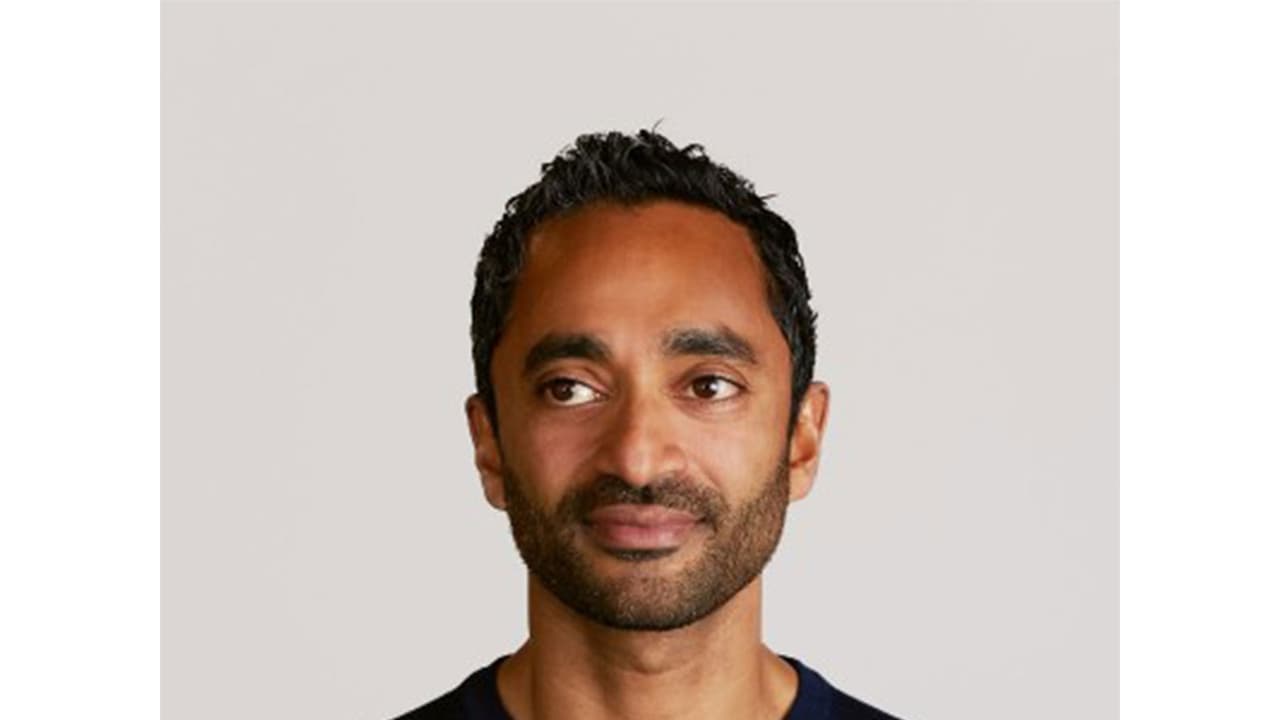
Chamath Palihapitiya warns that the growing use of private credit to fund AI infrastructure could create a bubble. He points to rising risks for lenders if expected returns from massive AI investments fail to materialise.
AI Private Credit Bubble Warning
The rapid expansion of private credit to finance artificial intelligence (AI) infrastructure could expose lenders to rising risks if expected returns from AI investments fail to materialise, Chamath Palihapitiya, CEO of 8090 and Social Capital, has warned.
In a post on X, Palihapitiya questioned whether the growing use of private credit to fund AI infrastructure could create a bubble, as technology companies increase spending on chips, data centres and other infrastructure. “The AI buildout is increasingly funded by debt, and private credit is playing a much bigger role than it did even a year ago,” he said, adding that Social Capital's research examined a key question: “Is private credit, which is funding a growing portion of the AI buildout, a bubble?”
The Scale of AI Financing
According to the post, Apollo and Blackstone led a USD 35 billion vehicle in the second quarter of 2026 to buy chips and lease them to Anthropic. UBS described it as the largest private credit deal on record, Palihapitiya said. “For comparison, direct lenders made about $23 billion of loans to private-equity-backed U.S. companies that quarter,” he added.
The scale of financing requirements is expected to increase further. S&P Global forecasts that Alphabet, Amazon, Meta, Microsoft, Oracle and SpaceX (xAI) will spend around USD 870 billion in 2026 and more than USD 1.3 trillion in 2027, with debt, leases, equity issuance and other financing sources helping fund the expenditure.
Palihapitiya said direct loans to US borrowers expanded nearly 25 times, from USD 96 billion in 2010 to USD 2.4 trillion in 2025. Lending to US software and technology companies grew around 45 times over the same period, from USD 22 billion to more than USD 1 trillion.
Concerns Over Risk and Repayment
A key concern is whether lenders are adequately pricing AI-related risks. The Bank for International Settlements (BIS), in January, found that private loans to AI-related companies carried an average spread of 6.2 percentage points above the base rate, compared with 6.1 percentage points for other private credit loans. Palihapitiya said the narrow difference could mean “lenders are underestimating AI-related risks, equity investors are overestimating future profits, or both”.
He also highlighted the risk that AI could disrupt existing software companies that have borrowed through private credit markets, weakening their revenues and ability to repay loans. Conversely, companies investing heavily in AI could face repayment pressures if returns take longer than expected.
Market Distinctions and Ongoing Research
“The market is also already distinguishing among these deals,” he said, pointing to differences in the trading prices of AI-related financing arrangements.
Palihapitiya said the company’s research examines refinancing risks, investor withdrawals and differences in AI financing deals to assess whether private credit could become a source of financial stress as AI investment expands. (ANI)
(Except for the headline, this story has not been edited by Asianet Newsable English staff and is published from a syndicated feed.)