
The PHD Chamber of Commerce and Industry seeks GST rule amendments to protect buyers from losing input tax credits when suppliers default. The chamber also advocates for lower interest rates on delayed tax payments and inclusion of fuel in GST.
PHDCCI Seeks GST Rule Change to Protect Input Tax Credit for Buyers
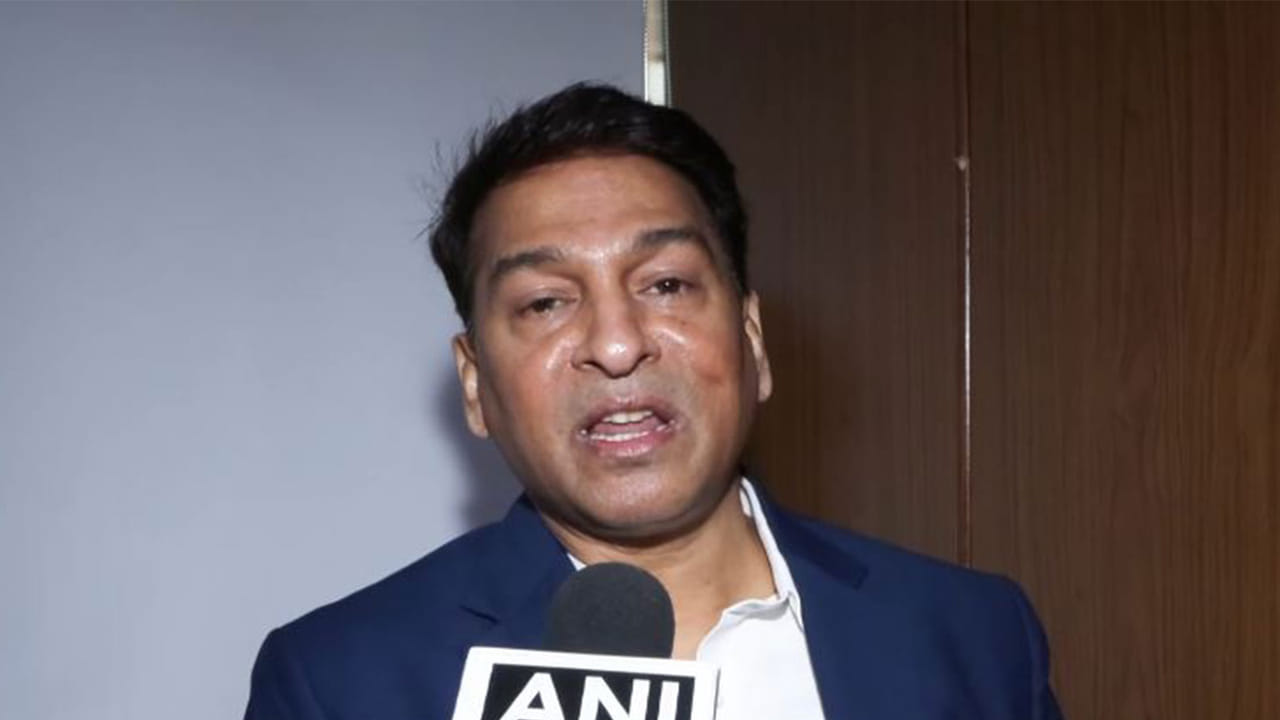
The PHD Chamber of Commerce and Industry (PHDCCI) has sought a change in GST rules to protect businesses from losing input tax credit when they have paid the tax to their suppliers, but the suppliers fail to pass it on to the government. Bimal Jain, Chair of PHDCCI’s Indirect Taxes Committee, told ANI that the chamber wanted either an amendment to the Central Goods and Services Tax (CGST) Act or a clarification to protect buyers who had already paid the tax charged on their purchases. He spoke on the sidelines of the “GST 2.0 Workshop, From Compliance Burden to Ease of Doing Business” organised by PHDCCI in New Delhi on Wednesday.
“When supplier default in payment of tax, then department is demanding reversal from the genuine and honest buyer,” Jain said. Input tax credit allows businesses to offset the GST paid on purchases against the tax they owe on sales. Under Sections 16 and 41 of the CGST Act, a buyer may have to reverse the credit, along with applicable interest, if the supplier fails to pay the tax to the government. The buyer can reclaim the credit once the supplier pays. Jain also called for lowering the cost of late tax payments. The “rate of interest on delayed payment of GST should be reduced from 18% to 12%,” he said. The chamber also wants natural gas and aviation turbine fuel brought under GST. Jain said businesses cannot use the taxes currently levied on these fuels as GST credit, adding to the cost of production or services. “Once it is taken into GST scenario, there would be some revenue impact on government, but at the same time cascading will go away,” he said. At its 57th meeting on October 8, the GST Council recommended simpler registration procedures, faster automated refunds and wider access to input tax credit, including on outdoor catering, health and life insurance and free samples. The Council also recommended removing arrest powers under the CGST Act and raising the prosecution threshold to Rs 5 crore from Rs 1 crore. In an October 30 instruction, the Central Board of Indirect Taxes and Customs directed its central GST field formations to stop making further arrests under GST pending legislative amendments.








