
The Japanese Yen has fallen to a 40-year low against the US dollar, crossing the 162 mark. This has sparked fears of government intervention, as Japan's central bank recently hiked interest rates to a 30-year high to combat the currency's slide.
Japan's currency Yen sank to a 40-year low against the US dollar on Tuesday, triggering fears that it could prompt a quick intervention from the central bank. The weakness in the Japanese currency comes on the back of the continued strengthening of the US dollar, as many now feel that the US Federal Reserve will raise interest rates this year.
Government Vows Action
The record low saw the Japanese currency drop below 162 for the first time, prompting a response from the Japanese government, with the finance minister reiterating that appropriate measures would be taken to minimise volatility. "It all comes down to being ready to respond appropriately to currency moves at any time," Reuters reported Finance Minister Satsuki Katayama as saying during a press conference. Japan intervened from April to May to stabilise the forex market, deploying over USD 72 billion, data from Japan's Ministry of Finance showed.
Monetary Policy Dilemma
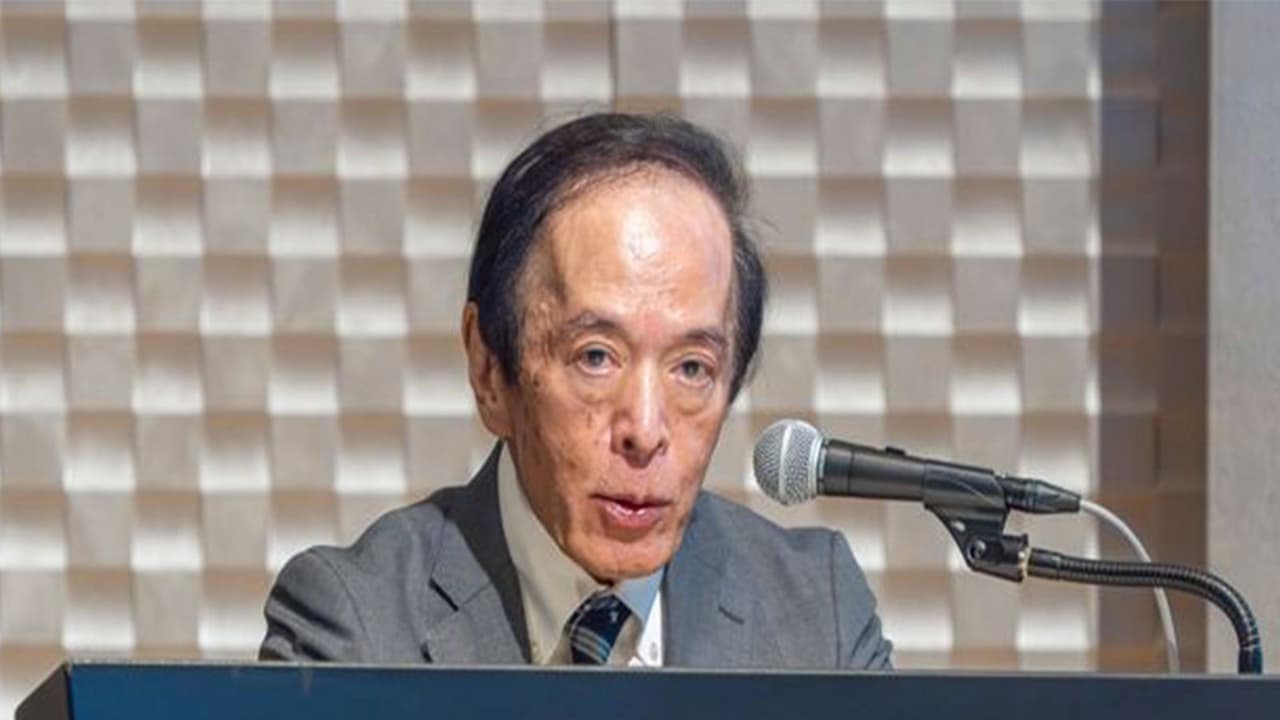
The Japanese central bank recently hiked its interest rates to 1 per cent, taking them to a 30-year high as it continues to normalise its monetary policy. Bank of Japan Governor Kazuo Ueda, who missed the policy event due to hospitalisation, also has to contend with the country's Prime Minister Sanae Takaichi, who wishes to keep rates low as she plans to spend more to boost economic growth.
Japan, which has historically battled deflation and seen low interest rates, has now started to raise rates and scale down its purchase of Japanese Government Bonds (JGB). Another hike could be expected as the Yen's weakness may weigh on policymakers.
Underlying Economic Pressures
Japanese Yen has suffered due to the carry trade as investors borrow at low rates in Japan and invest in high-yielding assets in the US. The interest rate differential between Japan and the West has been a concern as it weighs on the Japanese currency.
The Japanese central bank last hiked rates in December, taking them to 0.75 per cent. Another hike cannot be ruled out as wholesale prices shoot above 6 per cent in May on the back of energy pressures emanating from the West Asia crisis. Though the interim peace deal has brought a semblance of normalcy in the region, fears that high wholesale prices ripple through consumer prices remain.
A sliding Yen keeps inflation fears alive as Japan relies heavily on its energy imports.
Challenges of Further Rate Hikes
Another round of hikes in interest rates could also pose a challenge for the economy as it grapples with slowing productivity and an ageing population. High interest rates also threaten to raise the borrowing costs for both the government and the private industry.
(Except for the headline, this story has not been edited by Asianet Newsable English staff and is published from a syndicated feed.)