
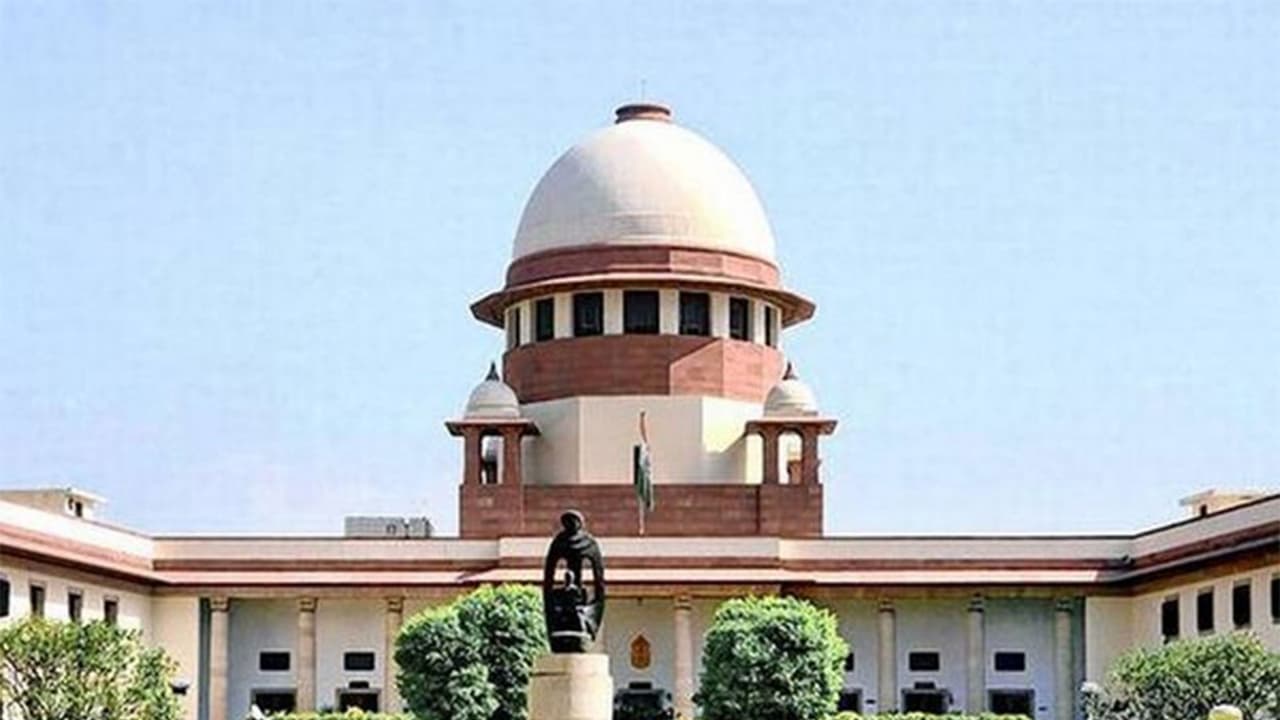
Adani Enterprises files a caveat in the Supreme Court against Vedanta in the Jaiprakash Associates Ltd (JAL) case. This follows the NCLAT dismissing Vedanta's plea and upholding Adani's resolution plan for the debt-ridden company.
Adani Enterprises has filed a caveat before the Supreme Court, anticipating a challenge by Vedanta against the National Company Law Appellate Tribunal's (NCLAT) verdict upholding Adani Group's resolution plan for debt-ridden Jaiprakash Associates Ltd (JAL).
A caveat is an application filed before a court by a party requesting that no order be passed in a matter without first hearing it. By filing the caveat, Adani Enterprises has sought to ensure that it is heard before the Supreme Court passes any interim order if Vedanta files an appeal against the NCLAT judgment.
NCLAT Dismisses Vedanta's Appeal
The NCLAT on Monday dismissed Vedanta's appeal challenging the approval of Adani Group's resolution plan by the Committee of Creditors (CoC) in the JAL insolvency proceedings. The appellate tribunal observed that it found no merit in the seven issues raised by Vedanta and held that no further orders were required in the matter.
Vedanta's Challenge
Vedanta had contended that its revised offer of over Rs 17,900 crore was superior to Adani's Rs 14,535-crore plan and argued that the evaluation process failed to maximise value for stakeholders. The company also questioned the transparency of the CoC's scoring matrix and challenged the rejection of its revised addendum proposal submitted after the final round of bidding.
Defence of the Resolution Process
The plea was opposed by the CoC, the resolution professional, and Adani Group, all of whom defended the integrity of the insolvency process. Appearing for the CoC, Solicitor General Tushar Mehta argued that the evaluation framework considered multiple financial parameters, including upfront cash, deferred payments, and equity infusion, and that Adani's proposal emerged as the highest-scoring bid under the prescribed matrix.
The resolution professional also argued that Vedanta's claim of being the highest bidder was misleading and that no resolution applicant had a vested right to secure approval of its plan.
Adani Group further submitted that allowing post-deadline revisions would undermine the sanctity and finality of the corporate insolvency resolution process under the Insolvency and Bankruptcy Code.
Supreme Court's Earlier Position
Earlier, the Supreme Court had declined to grant interim relief to Vedanta, observing that the matter was already pending before the NCLAT and stressing the need for expeditious disposal. (ANI)
(Except for the headline, this story has not been edited by Asianet Newsable English staff and is published from a syndicated feed.)