
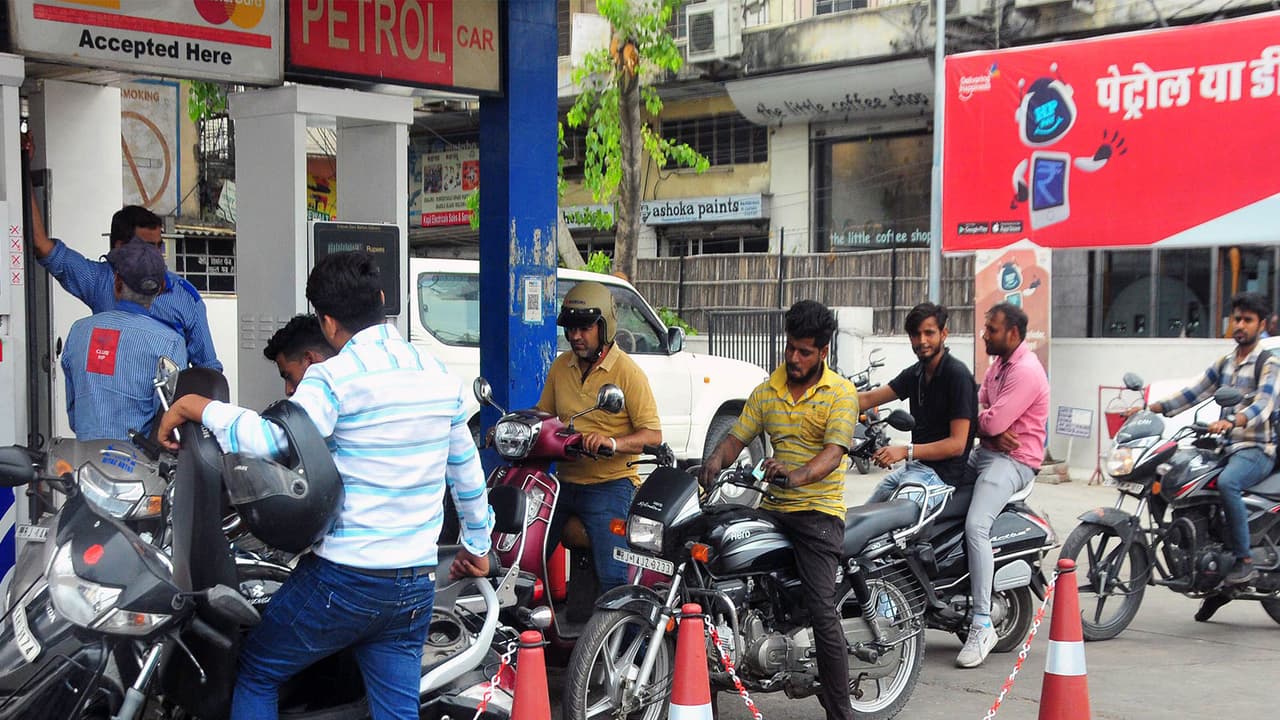
India's push for E20 fuel may see limited consumer uptake unless it is priced competitively against conventional petrol, an Infomerics Ratings report stated, urging a focus on affordability, sustainability, and clear long-term policy.
Consumer adoption of E20 fuel in India may remain limited unless ethanol-blended petrol is priced lower or at least competitively compared to conventional petrol, according to a report by Infomerics Ratings.
Focus on Affordability and Incentives
The report stated that while India has made significant progress in accelerating ethanol blending under its Ethanol Blended Petrol (EBP) programme, the next phase of the transition must focus on affordability, sustainability and technological preparedness. It stated, "Unless ethanol-blended petrol is priced lower or at least competitively with conventional petrol, consumer adoption may remain limited despite government mandates". The report suggested that fiscal incentives, tax rationalisation and targeted subsidies during the transition phase could help improve demand for ethanol-compatible fuels and vehicles.
Ensuring Consumer Choice and Awareness
Infomerics Ratings also said consumers should continue to have flexibility in choosing among different fuel blends to address concerns regarding vehicle compatibility, mileage efficiency and long-term engine performance. The report added that public awareness campaigns and transparent fuel-efficiency data would be important in building consumer confidence around higher ethanol blends.
Need for a Long-Term Roadmap
According to the report, India now requires a long-term roadmap that goes beyond the current E20 target and provides policy clarity for future goals such as E30, E50 and E100 fuels. The report stated that such long-term policy direction would encourage investments in flex-fuel vehicle technology, refinery infrastructure and advanced biofuel production.
Lessons from Brazil's Ethanol Programme
Drawing lessons from Brazil's ethanol programme, the report highlighted that stable pricing systems, policy support and strong infrastructure are essential for successful large-scale ethanol adoption.
Balancing Expansion with Sustainability
At the same time, the report cautioned that ethanol expansion should not impact food security or increase pressure on water resources. It noted that a large share of India's ethanol production currently comes from sugarcane, which is a highly water-intensive crop. Therefore, the report recommended increasing focus on second-generation biofuels produced from agricultural residues, municipal waste and non-food biomass.
The report also stressed the need for greater investments in research, innovation and rural bio-refineries to diversify feedstock sources and generate additional income opportunities for farmers.
Strategic Implementation for National Benefits
According to Infomerics Ratings, if implemented strategically, the ethanol blending programme can help reduce India's dependence on imported crude oil, lower carbon emissions, strengthen rural economies and support the country's energy self-reliance goals. (ANI)
(Except for the headline, this story has not been edited by Asianet Newsable English staff and is published from a syndicated feed.)