
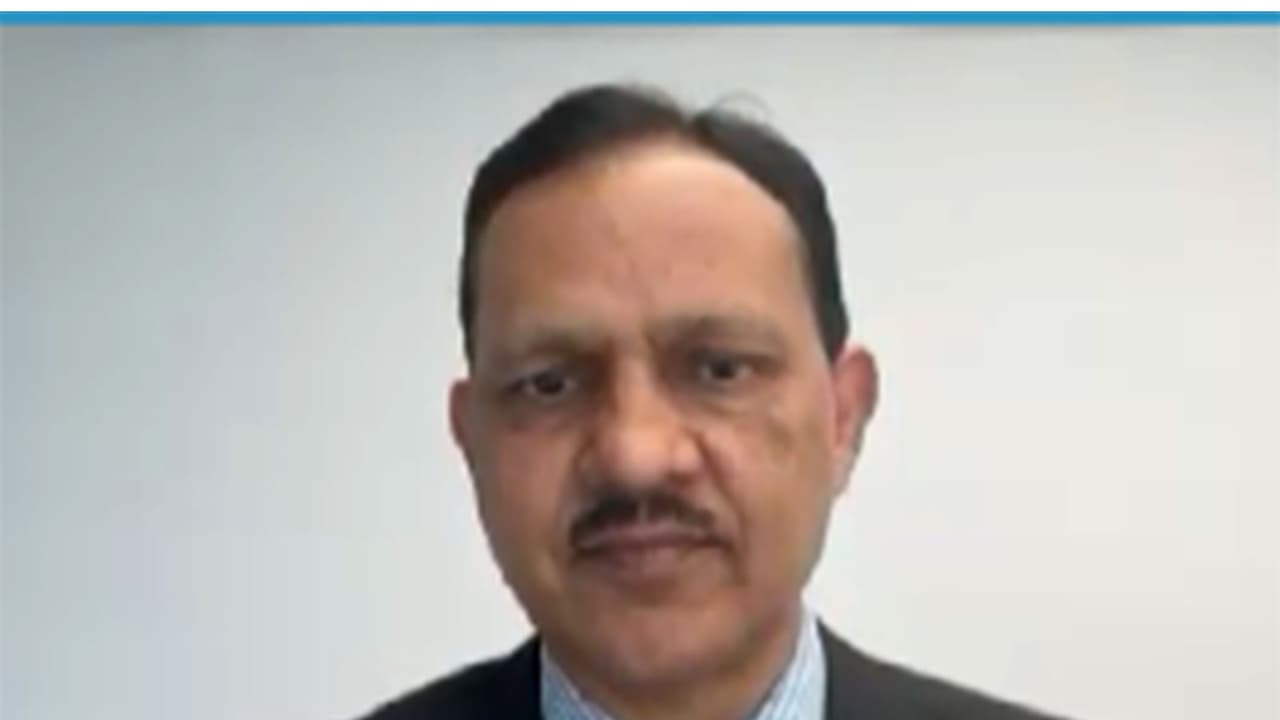
The India Semiconductor Mission (ISM) 2.0 is a 'transformational step' for a self-reliant ecosystem, said SEMI India President Ashok Chandak. He added that the country is moving from credibility to capability with policy continuity and commitment.
A 'Transformational Step'
The India Semiconductor Mission (ISM) 2.0 is a "transformational step" that will help the country move from establishing credibility in semiconductor manufacturing to developing long-term capabilities, Ashok Chandak, CEO and President of SEMI India, said on Friday. Chandak, who is also President of the India Electronics and Semiconductor Association (IESA), said the continuity of government policy and the focus on developing the wider semiconductor ecosystem were the key takeaways from the Union Cabinet's approval. "I would call this a really transformational step towards building what we call a trusted, self-reliant and globally competitive semiconductor ecosystem," he said.
From Credibility to Capability
Describing India's semiconductor journey through "3Cs", Chandak said the country was moving "from credibility to capability with policy continuity and a commitment". He said the first phase of the India Semiconductor Mission had established the country's credibility, with 12 projects approved and investments worth USD 20 billion attracted. Three plants have already become operational, while the remaining projects are expected to come up. "We have already shown to the world, where some people were sceptical, that India can promise and can deliver," he said.
Policy Continuity and Ecosystem Focus
Chandak said policy continuity was particularly important because semiconductor projects involve large investments and have long gestation periods. Some fabrication plants can require investments ranging from USD 5 billion to USD 20 billion, he added. "Global companies are to be attracted because we don't have technology and the process know-how. So we are dependent on the global players to come to India, either on their own or a joint venture or a partnership. And that can happen only if there is policy continuity and a commitment from the government," he said.
He added that ISM 2.0's focus on the entire semiconductor ecosystem was equally important, as wafer fabrication plants require several supporting industries and inputs. "It is not possible to keep importing everything else while you just run the wafer fab," Chandak said.
Increased Incentive a 'Good Step'
On the proposed incentive amount of around Rs 1.27 lakh crore, Chandak said it was a substantial increase from the Rs 76,000 crore allocated under the first phase. "Some companies may tell you that the amount is not enough. But I would say it's a good step in the direction," he said.
"My view is this amount is very good. People can say whether it is enough or not enough, let's not worry about that. Whatever is there is definitely a good starting point from phase one," Chandak added. (ANI)
(Except for the headline, this story has not been edited by Asianet Newsable English staff and is published from a syndicated feed.)