
Concerns about India's slowing power demand are misplaced, says a report. Strong underlying trends like rising peak demand and non-grid growth continue to support long-term expansion, with renewables set to lead future capacity additions.
Concerns surrounding slowing power demand and potential oversupply in the sector are largely misplaced, with underlying structural trends continuing to support long-term growth, according to a report by Anand Rathi Institutional Equities.
Demand Trends Stronger Than Headlines Suggest
The report stated that headline concerns fail to capture the broader changes underway in the power ecosystem. It noted that while "power demand plateaued at around 5 per cent p.a.," actual consumption trends remain strong, driven by rising peak demand and rapid growth in non-grid segments. "Peak demand and non-grid consumption are rising faster," the report said, highlighting the expansion of captive power, data centres and rooftop solar. It added that peak demand is projected to reach "around 458GW by 2032, a 9 per cent CAGR sustaining capacity addition requirements."
Supply Side Dynamics: Thermal and Renewable Mix
On the supply side, the report clarified that thermal power, which currently accounts for "76 per cent generation," will continue to play a key role in ensuring grid reliability in the near term. However, the future growth trajectory will be led by renewable energy, with "~377GW between FY26-32 versus only ~38GW of thermal," indicating that incremental capacity addition will be largely driven by clean energy sources.
Infrastructure Expansion to Meet Growth
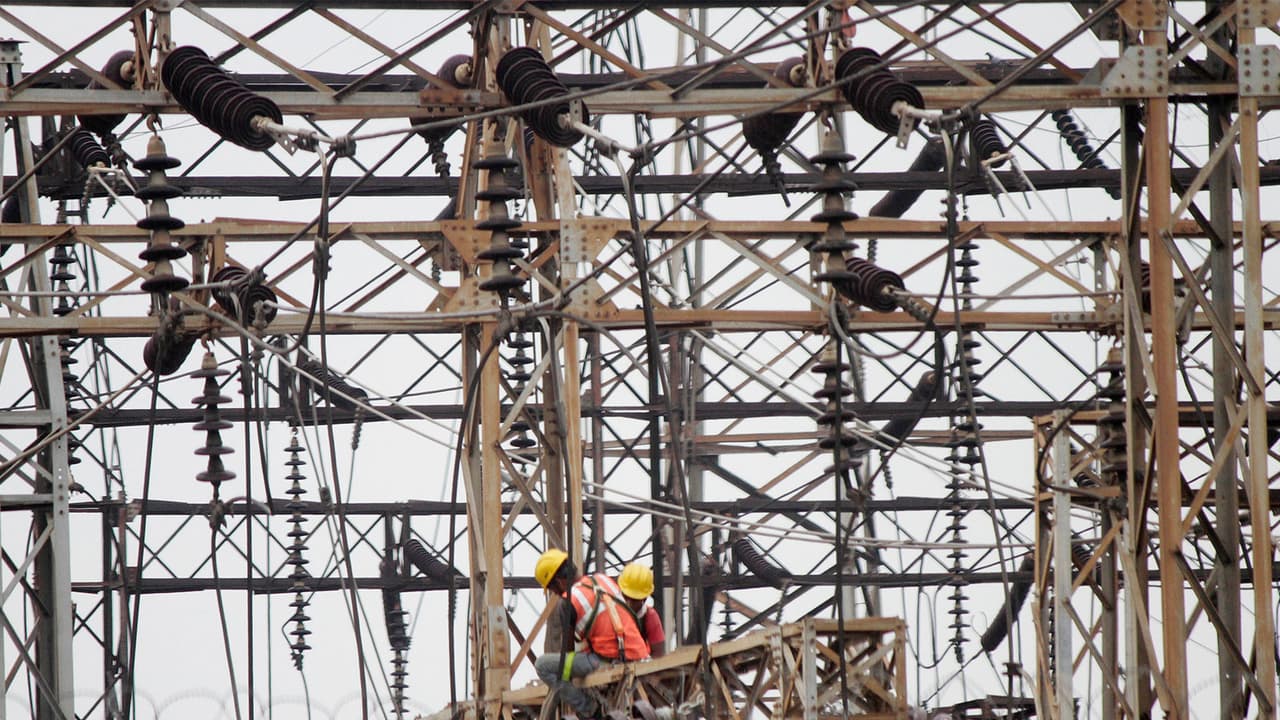
Addressing infrastructure concerns, the report noted that evacuation challenges persist but are being actively addressed. "Transmission capacity is expanding rapidly," it said, with substation capacity expected to rise from "1,338k MVA (FY25) to 2,412k MVA (FY32)" and transmission lines from "494k ckm to 648k ckm," supported by reforms to improve coordination.
Solar Oversupply Fears Dismissed
The report also dismissed fears of oversupply in solar PV modules, stating that "module demand exceeds headline additions," implying a "~110GW annual nameplate requirement." It pointed to supply-side constraints such as "cell/ wafer bottlenecks and technology shifts" that limit effective supply and are likely to drive consolidation rather than oversupply.
Market Outlook and Valuation Concerns
Despite concerns over valuations and comparisons with the telecom sector cycle, the report maintained that strong demand fundamentals and regulatory support would limit long-term value destruction, even if consolidation occurs within the renewable energy space. It outlined "while renewables may see consolidation similar to telecom, structural demand and regulatory support limit value destruction". (ANI)
(Except for the headline, this story has not been edited by Asianet Newsable English staff and is published from a syndicated feed.)