
India's engineering and capital goods sector is poised for growth, fueled by an expanding power network and soaring demand from data centres, a 360 ONE Capital report states. High-Voltage Direct Current (HVDC) technology is a key growth driver.
India’s expanding power transmission network and rising demand from data centres are expected to create significant opportunities for the engineering and capital goods sector, with High-Voltage Direct Current (HVDC) technology emerging as an important growth driver, according to a report by 360 ONE Capital.
The report highlighted that rising renewable energy integration, grid modernisation and increasing electricity requirements from data centres could support demand for power equipment over the coming years. However, project delays, higher input costs and uncertainty around global investment in artificial intelligence infrastructure could affect the pace of growth.
Focus on HVDC Technology
“India’s HVDC capacity is expected to increase from 34.5 GW in FY27 to 55 GW by FY32, with a further 78 GW of HVDC pipeline identified by CEA till FY36,” the report said. It noted that HVDC projects are becoming increasingly important as India expands its transmission infrastructure to integrate renewable energy and strengthen the power grid.
Rising Demand from Data Centres
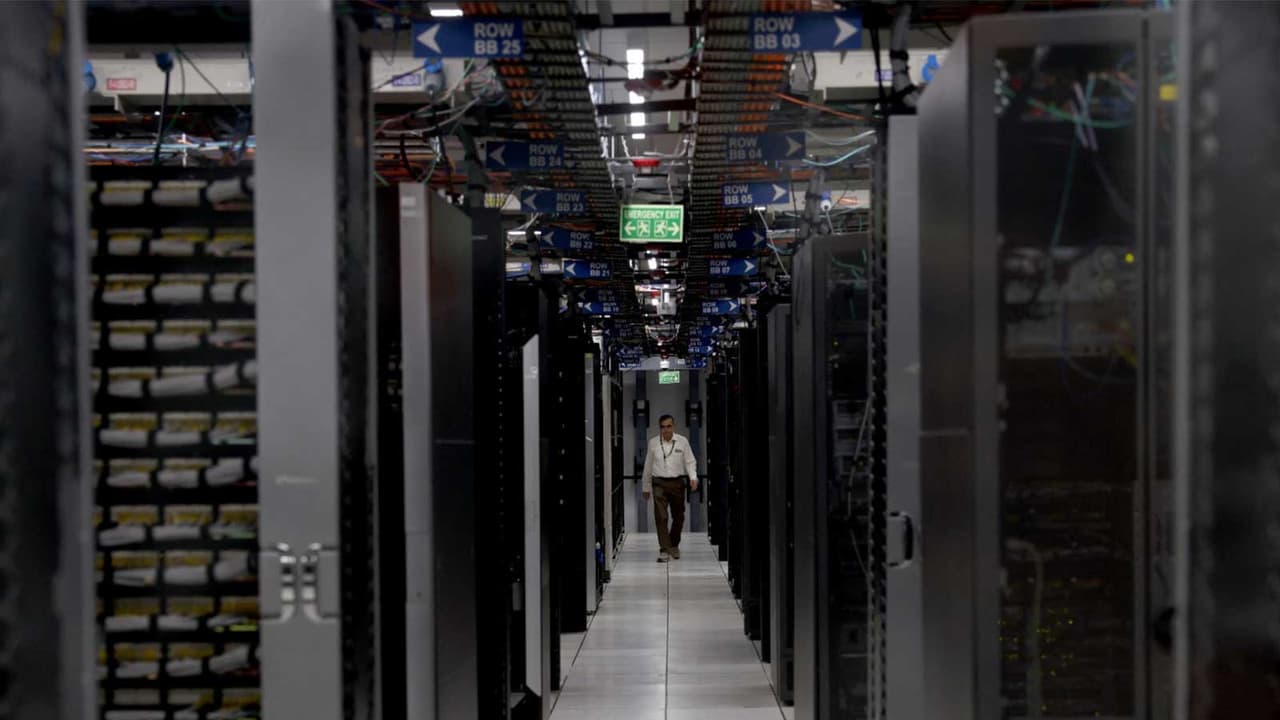
The report also pointed to the sector’s relatively concentrated supplier base and the importance of successfully executing projects to qualify for future orders. Data centres are another potential source of demand. India’s data centre capacity remains below 2 gigawatts, while capacity of 13-18 gigawatts is expected by 2030, according to the report. These facilities require reliable power supply and advanced grid equipment, including transformers, switchgear and grid management systems.
The report estimated that equipment suppliers could address a meaningful share of data centre investment, creating an additional opportunity alongside conventional transmission projects. Growing electricity demand and the expansion of digital infrastructure could therefore broaden the sector’s growth drivers beyond traditional utility spending.
Domestic Manufacturing and Supply Chain
Manufacturing capacity expansion and greater domestic production of specialised transmission equipment are also expected to support the sector. The report said localisation of high-voltage equipment could reduce dependence on imports and improve supply-chain control.
Potential Risks and Outlook
However, the outlook is not without risks. Delays in large project awards and execution could affect revenue timing, while increases in commodity prices may put pressure on margins, particularly where contracts do not fully protect manufacturers against higher input costs. Uncertainty around export orders and global data centre investment could also influence near-term performance.
The report said the scale and timing of transmission projects, progress in domestic manufacturing and continued investment in data centres would be important factors determining how effectively the sector capitalises on the emerging opportunities. (ANI)
(Except for the headline, this story has not been edited by Asianet Newsable English staff and is published from a syndicated feed.)