
India's bioenergy sector is expanding with a government target of 5,000 compressed biogas (CBG) plants by 2030. The push aims to improve energy independence, reduce emissions, and develop domestic technology and new agricultural feedstock.
India Targets 5,000 Biogas Plants by 2030 in Bioenergy Expansion
India's bioenergy sector is set for wider expansion, with the government targeting 5,000 compressed biogas (CBG) plants by 2030, while domestic technology and new agricultural feedstock are being developed to improve production and reduce dependence on imported energy, industry and government representatives said.
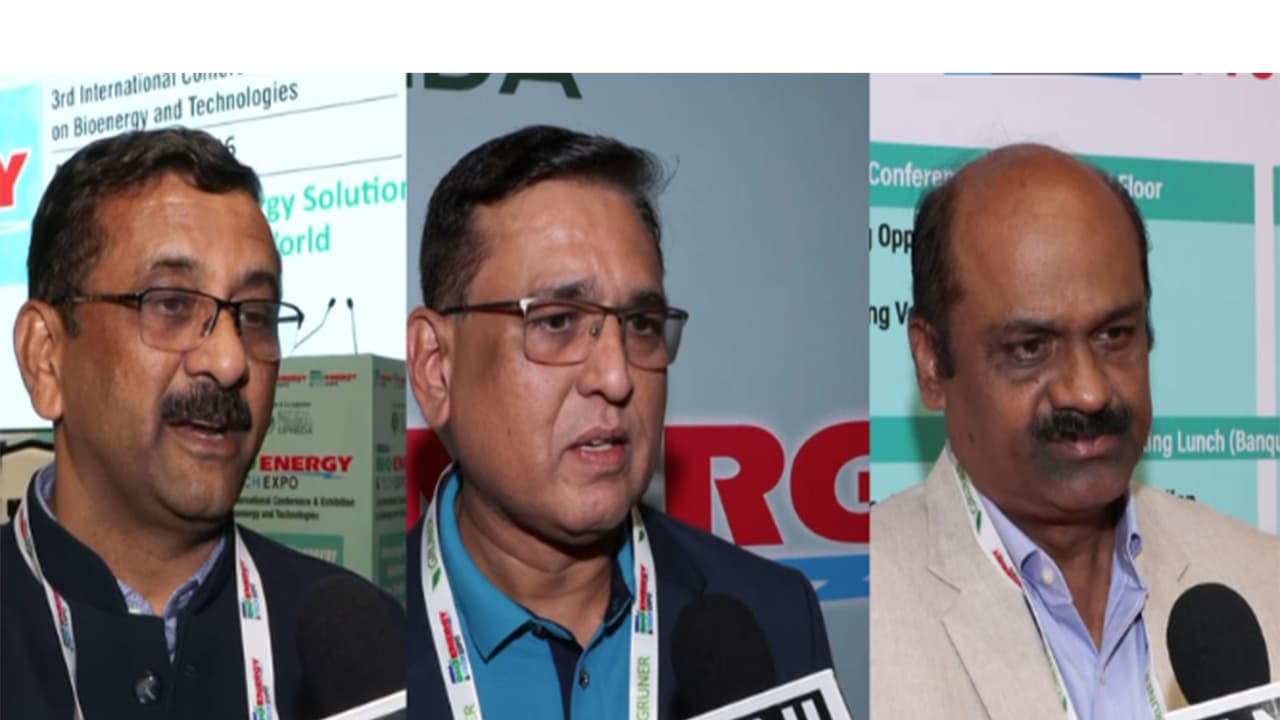
Speaking to ANI, Atul Mohod, Director General of the Sardar Swaran Singh National Institute of Bio-Energy (SSS-NIBE), said 132 CBG plants are currently operational with central financial assistance, while around 240 are under construction. The government has set a target of 5,000 CBG plants by 2030, he said.
"Around 5,000 CBG plants in the country are the target of the Government of India," Mohod said, adding that the expansion is linked to the broader goals of a developed India by 2047 and net zero emissions by 2070.
Mohod said wider CBG production could eventually help lower costs as technology improves, while reducing pollution, carbon dioxide emissions and dependence on crude oil and gas.
Boosting Domestic Technology
The expansion is also creating demand for domestic technology to improve the performance of bioenergy plants.
Nitin Gupta, Global CEO and Executive Director of STEER World, said the company had set up nearly 130 projects across India over the past 18 months using technology to pre-treat biomass and improve the digestion and methanation process.
He said indigenous technology could help reduce dependence on imported systems and strengthen India's energy independence.
"India is very strong in its fundamentals in engineering and technology; we should really make sure that we are able to communicate this in a much simpler manner," Gupta said, referring to the need to make technology adoption easier and address misinformation.
Gupta also said greater energy independence would reduce India's exposure to geopolitical pressures and called for keeping dependence on imported energy low.
New Feedstock Options
Meanwhile, A V Umakanth, Principal Scientist at ICAR-Indian Institute of Millets Research, said sweet sorghum could provide another feedstock option for India's bioenergy sector. Its juice can be used to produce ethanol or CBG, while the bagasse left after extracting the juice can also be used for CBG production.
Harnessing Agricultural Resources
The speakers also highlighted the wider potential of biomass, with Mohod saying biomass could be processed into biogas, CBG and other value-added products.
Gupta said India, which has limited domestic hydrocarbon resources, should make greater use of its agricultural resources to build energy independence through biofuels and other forms of bioenergy. (ANI)
(Except for the headline, this story has not been edited by Asianet Newsable English staff and is published from a syndicated feed.)