S&P Global Ratings has warned that escalating India-Pakistan hostilities pose significant risks to both countries' credit metrics, though immediate sovereign ratings remain unchanged.
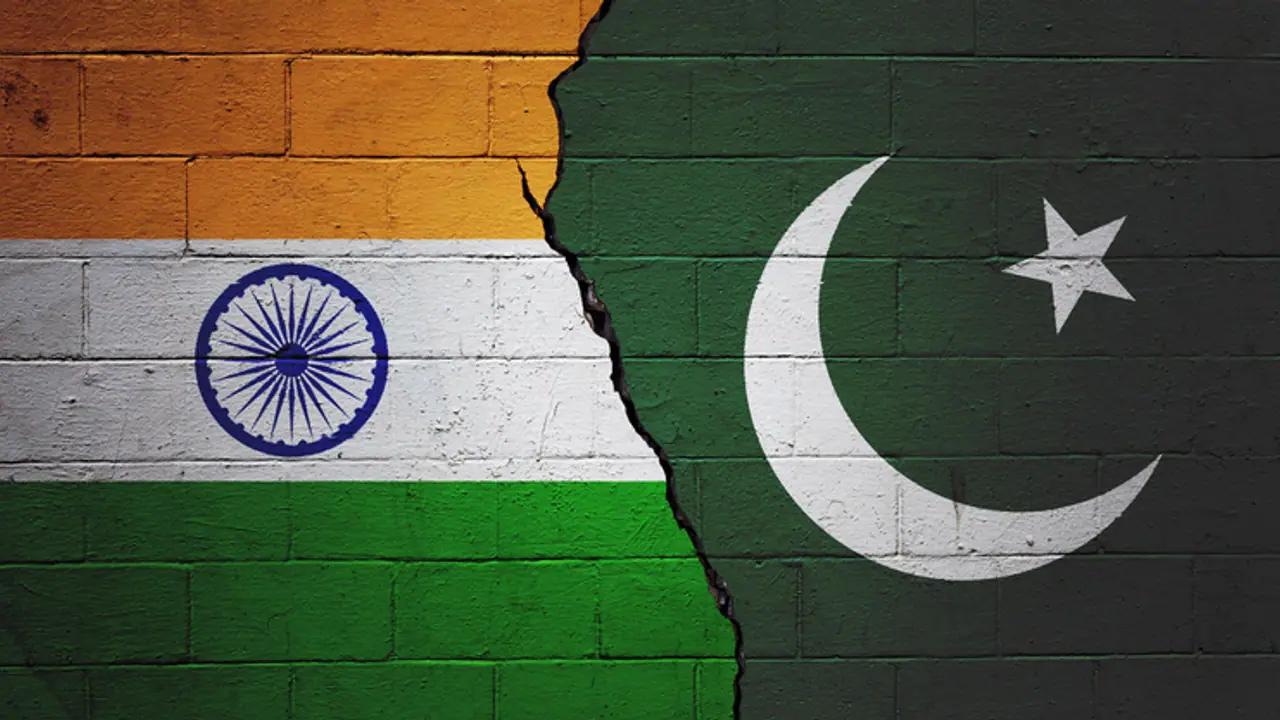
S&P Global Ratings on Thursday warned that the escalating hostilities between India and Pakistan have heightened regional credit risks, particularly for the two nuclear-armed neighbours. While the agency does not foresee an immediate impact on their sovereign credit ratings, it cautioned that any prolonged military engagement could put significant downward pressure on credit metrics.
Credit Ratings Remain Unchanged for Now
S&P currently rates India at ‘BBB-’ with a positive outlook, and Pakistan at ‘CCC+’ with a stable outlook. “The outbreak of hostilities between India and Pakistan has increased regional credit risks, especially for the two sovereigns involved. Our base case is for the intense military actions to be temporary, which will give way to a longer period of contained and sporadic confrontations,” S&P Global Ratings said in a statement.
The agency expects tensions to remain elevated for the next two to three weeks, during which significant military actions on both sides remain possible.
Related Articles

India Retaliates After Pahalgam Massacre
In a powerful military response to the Pahalgam massacre, where 26 civilians — mostly tourists — were killed by terrorists, India launched ‘Operation Sindoor’ early Wednesday. As part of the offensive, Indian armed forces destroyed nine terror sites, including those affiliated with Jaish-e-Mohammad and Lashkar-e-Taiba, located in Pakistan and Pakistan-occupied Kashmir (PoK).
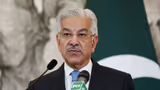
Pakistan Prime Minister Shehbaz Sharif has declared his country’s right to give a “befitting reply to this act of war imposed by India.” Meanwhile, Defence Minister Khawaja Asif struck a slightly conciliatory tone, saying Islamabad is ready to “wrap up” tensions if India de-escalates.
Risks to Economic and Fiscal Stability
S&P noted that while the immediate economic impact remains limited, the continuation or escalation of conflict could undermine recent economic gains. “We anticipate tensions to remain high over the next two to three weeks, with significant further military actions on both sides possible. However, the situation is likely to de-escalate following that, leaving little persistent negative impact on sovereign credit metrics,” it added.
A prolonged conflict would stall Pakistan’s path to macroeconomic stability. “A protracted military conflict will derail the improvements to Pakistan's external and fiscal metrics that would support a return to macro stability,” the agency said.
For India, the implications extend to foreign investments. “A prolonged military conflict will also lead to difficulty attracting foreign investors seeking to reconfigure their international production activities amid the uncertain global economic environment,” S&P added.
Growth Forecasts Lowered Amid Global and Regional Uncertainty
S&P last week revised its forecast for India’s FY26 GDP growth from 6.5% to 6.3%, citing uncertainty over US trade policy. Despite the tensions, the agency expressed confidence in India’s broader economic trajectory. “We expect India to maintain strong economic growth that allows gradual fiscal improvements to continue,” it said.
On Pakistan, it added, “We expect the Pakistan government to remain focused on supporting the recovery of its economy and fiscal stability.”
Threat of Miscalculation Could Escalate Conflict
S&P also flagged the possibility of unintended escalation. “The current situation raises the specter of miscalculations and accidental clashes that could escalate well beyond the intentions of both sides,” it warned. “The downward pressures on sovereign credit support will exacerbate if there is no material de-escalation in the next few weeks.”
Moody’s Also Flags Geopolitical Risks to Growth
Earlier this week, Moody’s Ratings projected India’s growth at 6.3% for the current fiscal year. It too cited geopolitical risks as a significant downside. “Costs to investors and businesses are likely to rise as they factor for new geopolitical configurations when deciding where to invest, expand and/or source goods,” Moody’s said.