
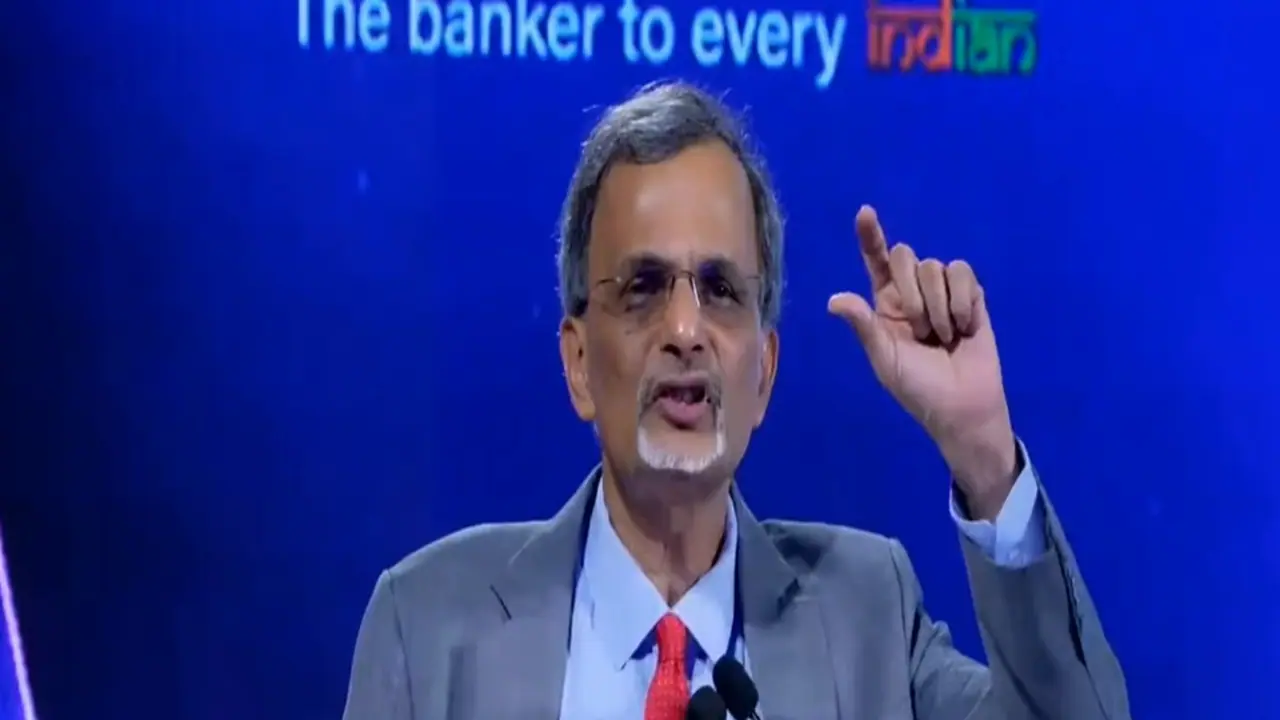
CEA V Anantha Nageswaran outlined India's path to becoming a developed nation by 2047, emphasizing stronger manufacturing, attracting FDI, and creating AI-suited jobs amid global challenges like geopolitical tensions and competition from China.
India must strengthen manufacturing, attract foreign investment and create jobs suited to an artificial intelligence-driven economy as it seeks to become a developed nation by 2047, Chief Economic Adviser V Anantha Nageswaran said.
Navigating a Challenging Global Environment
Addressing the 13th SBI Banking & Economics Conclave 2026, Nageswaran said India’s development transition is taking place amid a global environment marked by geopolitical tensions, weaponisation of supply chains, climate variability and competition from China’s manufacturing capabilities. “We have to reimagine and be prepared to reinvent many of the ways in which we operate, whether you are in the private or the public sector,” he said, highlighting the need for India to build resilience while pursuing growth.
Manufacturing and Economic Resilience
Nageswaran said manufacturing would be critical not only for growth diversification but also for economic resilience and security, noting that India cannot choose between manufacturing and services and would need to pursue both. He pointed to India’s goods trade deficit, which remains at around 3.5-4 per cent of GDP even after excluding oil and gold, as one reason for strengthening domestic manufacturing. However, he said indigenisation must be pursued alongside export competitiveness rather than by simply replacing imports with domestic production.
Attracting Foreign Direct Investment
On foreign direct investment, Nageswaran said India needs to strengthen state and national-level policies, tax certainty and simplicity, investor protection and the availability of a skilled workforce to attract capital amid rising competition from developed economies. He also called for building buffers in critical commodities and creating capabilities in smaller but strategically important components that could become choke points in global supply chains.
Adapting to an AI-Driven Economy
On AI, Nageswaran said India should focus beyond frontier AI development and pay attention to its impact on employment. Citing recent research covering 41 countries, he said evidence so far suggests that while junior workers are being affected, overall employment and senior employment have increased.
Job Creation in the Age of AI
For India, however, he said slower growth in entry-level jobs could widen inequality and create longer-term social risks given the country’s demographic dividend. Nageswaran said India should focus on creating both AI-enabled and AI-insulated jobs, particularly through labour-intensive manufacturing and services such as hospitality, tourism and elder care. He also stressed the need to make trade skills more attractive and increase private-sector participation in curriculum development.
India's Resilient Growth Momentum
India’s growth momentum remains resilient, he said, with the economy growing 7.8 per cent and reforms in digital public infrastructure, inclusion, capital expenditure and formalisation contributing to sustained growth of 7 per cent or above. (ANI)
(Except for the headline, this story has not been edited by Asianet Newsable English staff and is published from a syndicated feed.)