
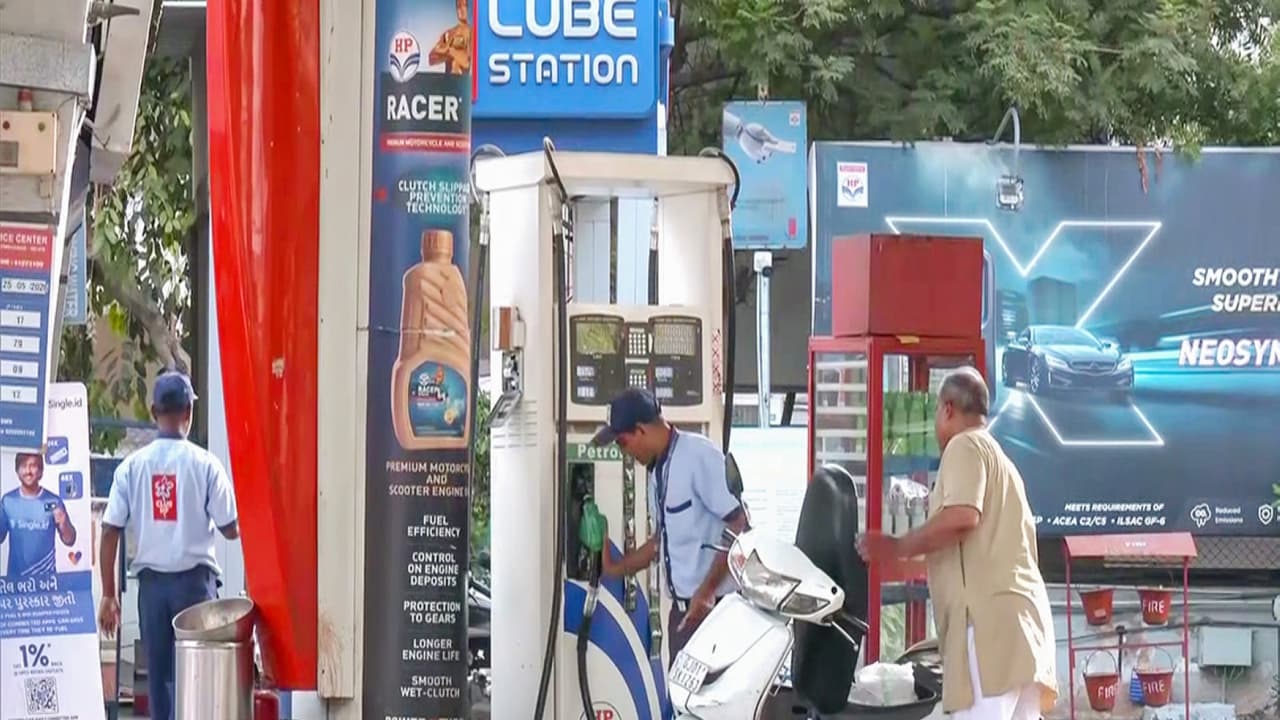
India's average crude oil basket price has declined sharply to USD 77.6 per barrel in July from USD 114.5 in April. This drop is expected to ease pressure on the country's import bill and support the external sector, said the government.
Replying to a question in the Lok Sabha, Minister of State for Finance Pankaj Chaudhary said the recent geopolitical developments in West Asia had adversely affected countries globally, with major implications for crude-oil-importing emerging economies. "The average Indian crude oil basket prices have eased significantly from USD 114.5 per barrel in April 2026 to USD 77.6 per barrel in July 2026 (up to 22nd July). The decline in crude oil prices, together with sustained growth in services exports and remittance receipts, is expected to support the external sector and mitigate pressures on the current account," the minister replied.
RBI's Assessment on Geopolitical Impact
According to the Reserve Bank of India's Financial Stability Report (June 2026), the geopolitical developments in West Asia led to an increase in international crude oil prices, widening India's crude oil import bill and having implications for the current account deficit, similar to previous oil price shocks.
Economic Outlook and Stability Measures
The government added that recent measures announced by it and the Reserve Bank of India are expected to bolster capital inflows and help meet India's external financing requirements.
The government said that despite elevated global uncertainties, high-frequency indicators for the first quarter of 2026-27 point to sustained momentum in economic activity and domestic demand.
It noted that average Consumer Price Index (CPI) inflation remained moderate at 3.9 per cent during April-June 2026, reflecting price stability. Consistent with these trends, the RBI has projected real GDP growth at 6.6 per cent and CPI inflation at 5.1 per cent for 2026-27. The government, however, said the RBI has noted that global commodity price movements and prolonged supply chain disruptions continue to pose challenges to the growth and inflation outlook.
Fiscal Management
On the fiscal front, the government said it continues to assess the implications of crude oil price volatility on the fiscal position, including fuel subsidies and revenue collections. It added that calibrated revisions in the Special Additional Excise Duty on petrol and diesel and customs duties on select imports have been undertaken to preserve fiscal space, while fiscal buffers, including the Economic Stabilisation Fund, provide flexibility to respond to external shocks while maintaining the fiscal consolidation path. (ANI)
(Except for the headline, this story has not been edited by Asianet Newsable English staff and is published from a syndicated feed.)