
The Centre has launched the Rs 25,530 crore SARTHAK-PDS scheme to run from 2026-2031. It aims to modernise the Public Distribution System using AI modules for beneficiary management, grievance redressal, and supply chain optimisation.
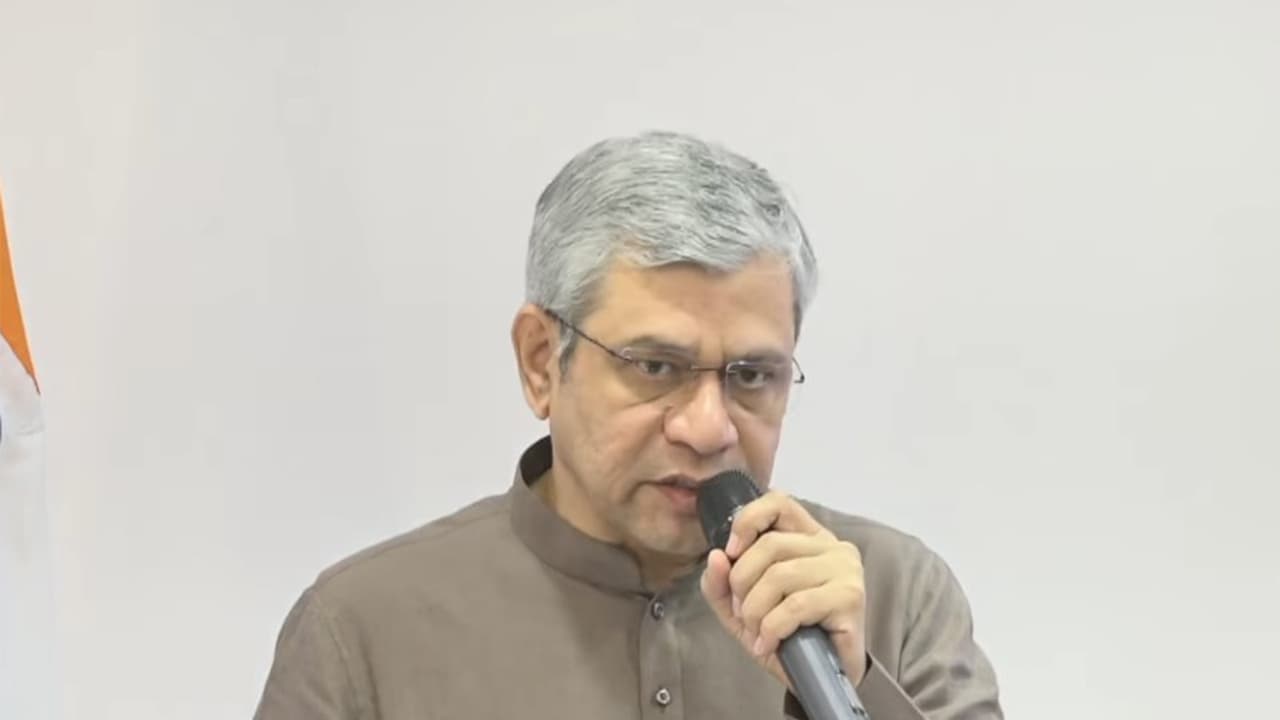
The Central government on Wednesday announced the SARTHAK-PDS scheme with a total outlay of Rs 25,530 crore aimed at modernising the Public Distribution System (PDS), improving logistics and introducing artificial intelligence-based systems for beneficiary management and grievance redressal. Union Minister for Information and Broadcasting Ashwini Vaishnaw made the announcement during the Cabinet briefing.
According to the details shared during the briefing, the SARTHAK-PDS scheme will run for five years from April 1, 2026 to March 31, 2031. The scheme includes assistance to state agencies for intra-state movement of food grains, support for fair price shops and modernisation of the public distribution system.
Introducing AI-Powered PDS Modules
As part of the next phase of SMART PDS, the government also announced the introduction of three major AI-enabled modules named NIRMAL, ASHA and SAKSHAM.
The NIRMAL platform will function as an AI-driven real-time PDS beneficiary registry and will provide live inter-ministry integration along with cross-scheme convergence.
The ASHA module has been designed as a multilingual AI grievance and citizen engagement platform that will operate through calls, WhatsApp, IVRS and chatbots. According to the government, the system will be scalable to handle up to 3 lakh interactions per day.
The SAKSHAM platform will work as an AI-enabled supply chain system with vehicle tracking, QR traceability, demand forecasting and route optimisation features.
Improving Efficiency and Transparency
The government said the new technology-driven system is expected to improve identification of eligible beneficiaries and increase citizen satisfaction levels.
According to the presentation made during the Cabinet briefing, the ASHA AI food security assistant will help in faster grievance redressal in citizens' preferred languages.
The government also stated that the scheme is expected to reduce the travel distance of food grains by 15 to 50 per cent, helping save food grains and encouraging local procurement. The logistics improvements under the programme are projected to generate annual savings of around Rs 280 crore along with a 35 per cent reduction in carbon emissions.
The scheme will also introduce QR-coded tags for food grain bags and vehicle location systems to improve transparency and monitoring across the supply chain.
The Centre said the initiative is aimed at making the Public Distribution System more efficient, technology-driven and citizen-friendly while improving delivery mechanisms and reducing operational leakages. (ANI)
(Except for the headline, this story has not been edited by Asianet Newsable English staff and is published from a syndicated feed.)