
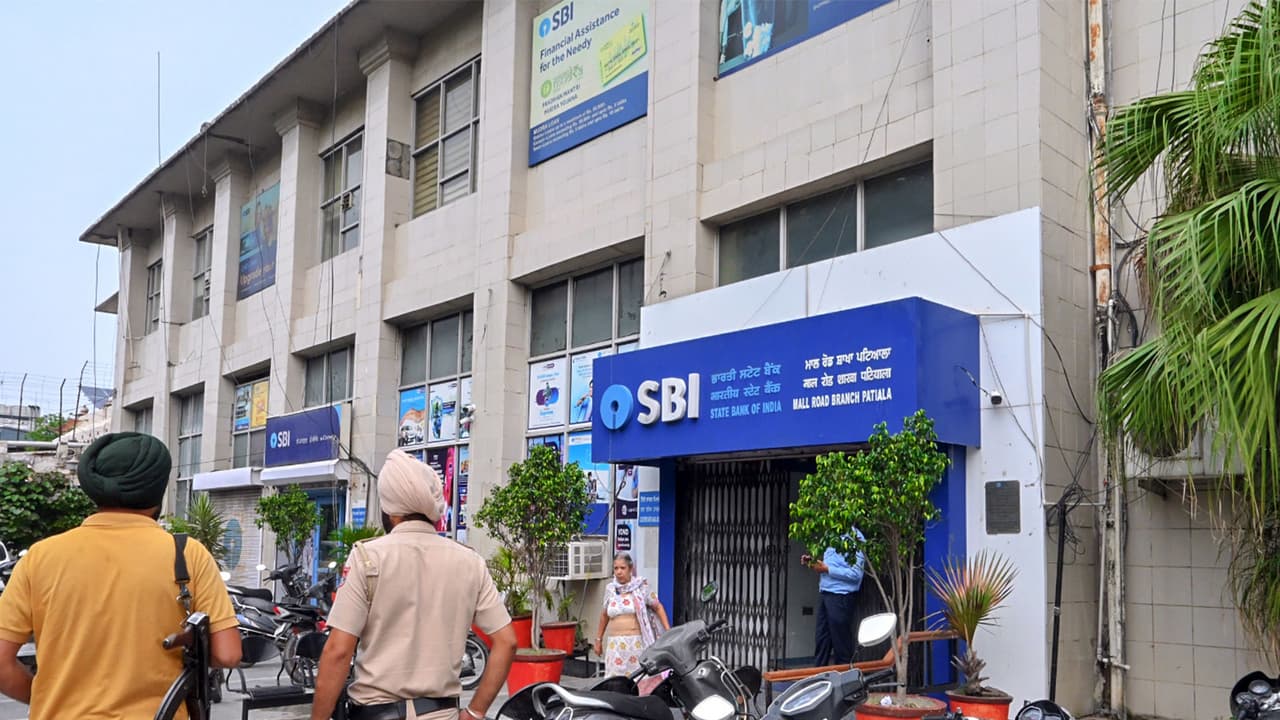
An SBI report for Budget 2026 recommends reforms across tax, insurance, and pension sectors to boost household savings. It suggests tax relief for bank deposits, aligning interest tax with LTCG/STCG, and a shorter lock-in for tax-saver FDs.
The central government in the upcoming budget 2026 should announce reforms across taxation, insurance and pension sectors to boost household financial savings, reduce compliance challenges and improve social security coverage in the country, highlighted a report by State Bank of India (SBI)
Recommendations for Tax Reforms
Direct Tax Measures for Savers
The report highlighted that bank deposits as a share of household financial savings have declined from 38.7 per cent in FY24 to 35.2 per cent in FY25. To encourage savings through the banking system, SBI suggested tax relief measures for depositors. It said that the tax treatment for interest income on bank deposits should be brought at par with long-term and short-term capital gains (LTCG and STCG). It stated, "To boost financial savings: (a) tax treatment for interest on deposits should be at par with LTCG and STCG"
The report also recommended that the lock-in period for tax-saving fixed deposits should be reduced to three years, making it equal to Equity Linked Savings Schemes (ELSS) of mutual funds, to improve deposit mobilisation.
In addition, SBI suggested removal of TDS on savings bank deposit interest or an increase in the threshold to provide relief to small savers.
Indirect Tax and GST Simplification
On the indirect tax front, SBI proposed amendments in GST provisions related to Input Service Distributor (ISD) to bring greater clarity and reduce litigation. The report suggested replacing the words "for or on behalf of distinct persons" with "for the benefit of distinct persons" in relevant sections of the GST Act, 2017. It also recommended deletion of certain provisions to address interpretational issues and addition of an explanation to Section 20(3) to accept ISD distributed by banks without disputes over valuation.
The report further highlighted practical difficulties faced by banks in complying with GST TDS provisions on payments such as interchange fees routed through settlement agencies like NPCI, Visa and MasterCard. As these transactions are settled on a real-time basis and invoice-wise details are received later, banks are required to pay GST TDS and then claim refunds. SBI suggested that GST TDS should not apply to banking services.
Reforms for the Insurance Sector
In the insurance sector, SBI noted that insurance penetration in India declined to 3.7 per cent in FY25 from 4 per cent in FY23 and 4.2 per cent in FY22, as per IRDAI data. Life insurance penetration fell to 2.7 per cent, while non-life insurance remained at 1 per cent.
The report said the decline in life insurance penetration is a concern for IRDAI's mission of "Insurance for All by 2047". It also pointed out that around 69 per cent of complaints received in FY25 were related to claims, highlighting the need for reforms, particularly in the health insurance sector.
Strengthening the Pension System
On pensions, SBI stressed the need for a well-structured pension system with a minimum pension guarantee.
According to SBI, these measures could strengthen financial security and support long-term economic stability if addressed in the Union Budget 2026. (ANI)
(Except for the headline, this story has not been edited by Asianet Newsable English staff and is published from a syndicated feed.)