
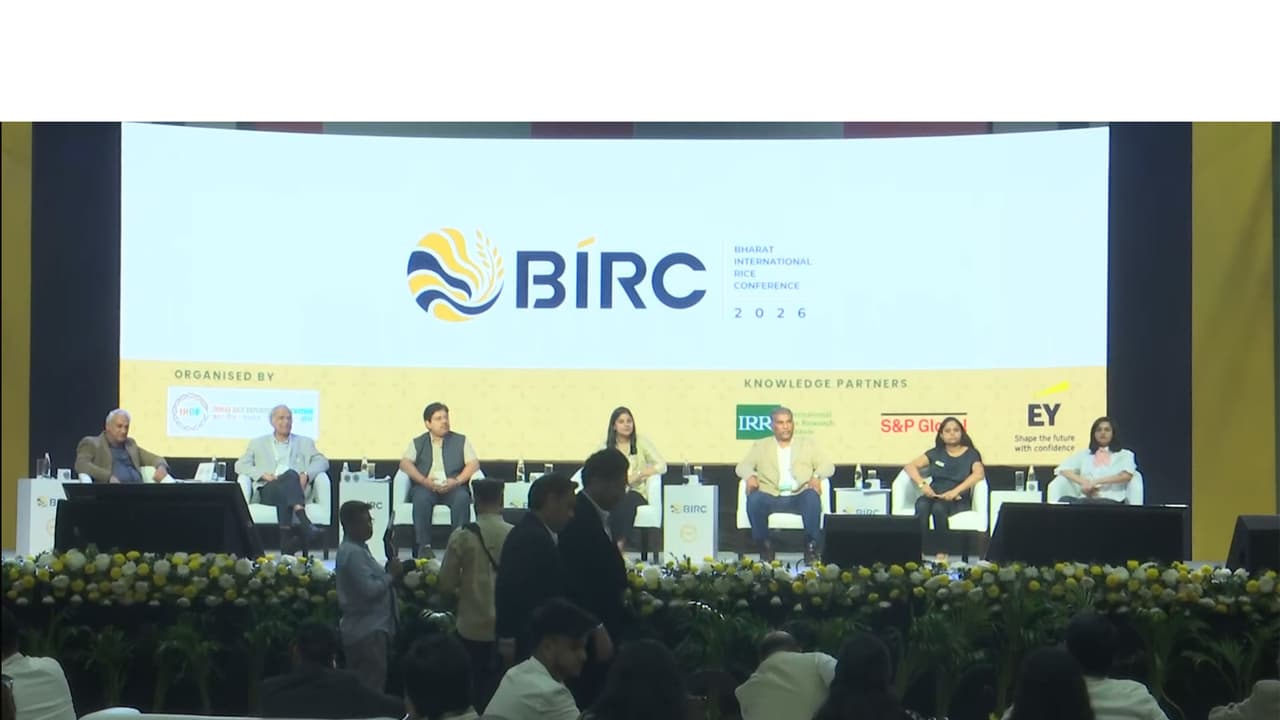
Experts at BIRC 2026 suggest boosting farmers' incomes by moving beyond bulk rice exports toward premium, nutritious, value-added products and efficient agricultural waste management for higher global market competitiveness.
Boosting Farmer Incomes through Value Addition
India can increase farmers' incomes and tap new domestic and export markets by focusing on value-added rice products, including premium and healthier varieties, ready-to-eat foods and commercial use of agricultural waste, industry experts said at the Bharat International Rice Conference (BIRC) 2026 in New Delhi.
Speaking during a panel discussion on "Value-Added Rice Products", experts highlighted that India needs to move beyond exporting rice in bulk and focus on products that command higher prices, improve nutrition and generate additional revenue across the agricultural value chain. Ajit Pai, Lead Strategy Partner at EY, who moderated the session, said value addition is among the biggest growth opportunities for India's rice sector. "What we have to focus on now is how to increase the value that we can get from this very, very large and important sector," he said, stressing the need to ensure that higher earnings benefit the entire value chain.
Market Potential for Specialized Rice
Highlighting the commercial potential, Priyabrata Roy, Scientist and Project Lead at the International Rice Research Institute (IRRI), said conventional rice products typically fetch around USD 350-500 per metric tonne, while specialised low-glycemic-index (GI) rice can command prices exceeding USD 2,000 per tonne in markets such as Australia. "That is where the value addition and the billion-dollar market opportunity exist," Roy said. He also highlighted the development of low-GI rice varieties, including DRR Dhan 81, and efforts to connect farmers growing traditional varieties in Odisha and Uttar Pradesh with private buyers.
Annie Vinod Manjila, Senior Marketing and Brand Leader at Double Horse, said consumers are willing to pay higher prices for rice that offers better quality, nutrition and traceability. "Customers are willing to pay a premium where there is a differentiation," she said. Giving an example, she said conventionally produced Matta rice sells for around Rs 60 per kg, while rice produced using integrated pest management practices fetches about Rs 100 per kg. She added that the company is working to pass part of this premium to farmers.
Nutritional Innovation and Waste Management
Dr Raj Bhandari, Senior Paediatrician and Government Advisor, emphasised the importance of improving rice's nutritional value through fortification, biofortification and combinations with pulses and millets to address dietary deficiencies.
Meanwhile, Dr Shruti Srivastava, Chief Executive Officer of Catalyse, highlighted opportunities to generate additional income from rice straw, husk and bran. She said converting agricultural residue into fuel briquettes could offer farmers a relatively affordable alternative to capital-intensive bioenergy projects, while also helping reduce crop residue burning.
Diversifying Rice Applications
Vetri Selvan, Principal Consultant (USA) at Brand Mantra, highlighted opportunities in ready-to-eat and ready-to-cook rice products, particularly those combining convenience, nutrition and regional flavours. He stressed that innovation must translate into commercially viable products that can reach consumers at scale.
Chef Maia Laifungbam, Founder of Maia Breweries, also discussed opportunities to use indigenous Indian rice varieties for premium fermented beverages, citing her work on developing sake using locally grown rice. The discussion highlighted that expanding India's rice industry beyond conventional grain exports will require stronger links between research institutions, farmers and private companies, along with investment in processing, branding and market development. The Bharat International Rice Conference 2026 is being held from October 23 to 25 in New Delhi, bringing together Indian exporters, international buyers and other stakeholders in the global rice trade. (ANI)
(Except for the headline, this story has not been edited by Asianetnews Editorial staff and is published from a syndicated feed.)
