
AI will require India's IT firms to reskill staff and rethink strategies, but fears of widespread job losses are misplaced, says World Bank's Neelkanth Mishra. Services exports continue to grow, though companies face a transition period.
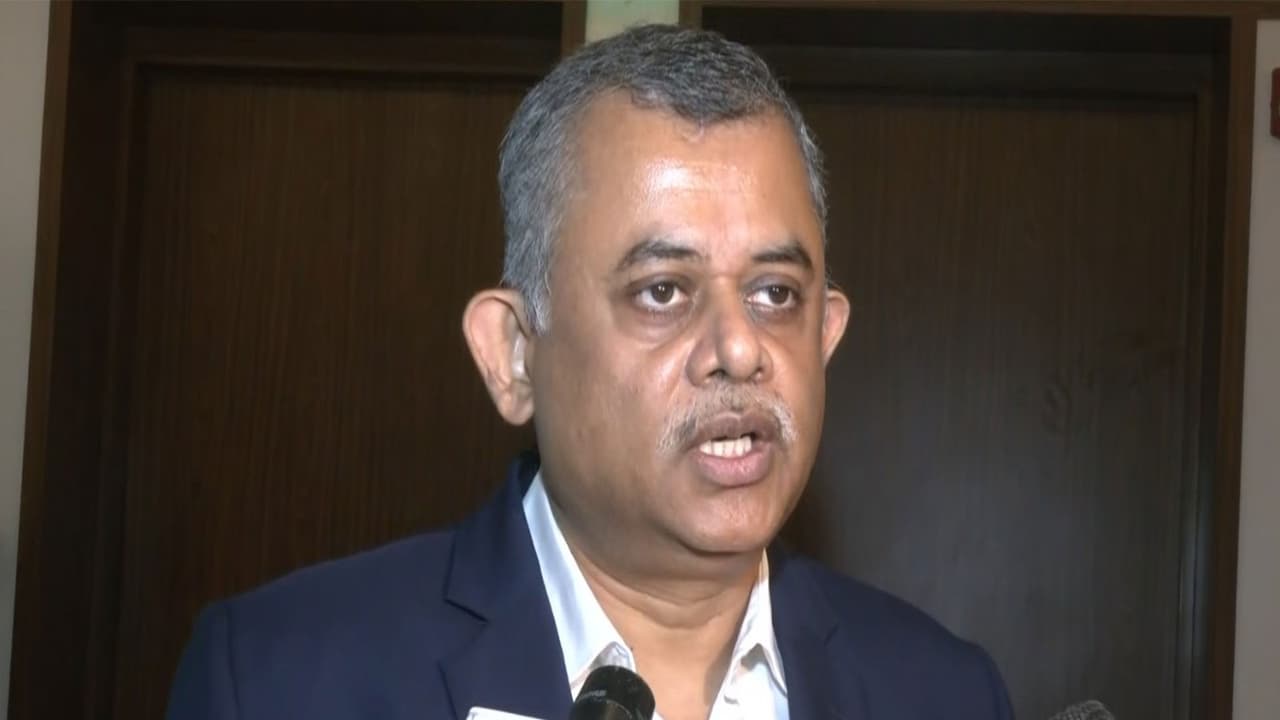
Artificial intelligence (AI) will require India's IT companies to reskill employees and rethink their business strategies, but fears of widespread job losses are misplaced, according to Neelkanth Mishra, Executive Director-Designate at the World Bank and Chief Economist at Axis Bank.
"There is a lot of pivoting, there is a lot of restrategising that all the firms will need to do. But this panic and paranoia about massive job losses is something which I think is at this stage and time," Mishra told reporters on the sidelines of an event organised by the Internet and Mobile Association of India (IAMAI) in Mumbai.
He said India's services exports continue to grow strongly despite rapid advances in AI. "Even in the month of April, services export growth was 15 per cent in dollar terms. So it is growing faster than GDP," he said.
AI's Impact on IT Industry Structure
Mishra said AI is changing the structure of the IT industry, with some work shifting from outsourced service providers to in-house teams. "The organisational boundary itself may be shifting because of AI... when we look at the industry revenue from a macro perspective... you have to combine GCCs and Indian IT," he said.
He said the key challenge for IT services companies will be managing the transition by reskilling their workforce. "Does that mean that there is no risk going forward? No, there is significant risk... there is a significant amount of transition that all of these IT services companies need to go through in terms of reskilling of people," he said.
Shift in Hiring Demands
According to Mishra, companies are likely to hire more talent in areas such as design, user interface (UI), user experience (UX) and deployment, even as demand for routine coding work changes.
Layoffs and the 'Jevons Paradox'
Commenting on recent layoffs in some software companies, Mishra said such firms are the first to adjust because software development is their biggest cost. However, he said lower software development costs could increase overall demand for software.
"But on the whole, it does seem to me that the Jevons paradox... is actually playing out. As the cost of writing software falls, the amount of software written goes up," he said.
Broader Economic Outlook
On the broader economy, Mishra said lower energy prices are expected to support a recovery in India's growth momentum after a temporary slowdown. "With energy prices now coming down, I expect that the growth momentum that we saw in February should revive in another maybe one or two months... we were growing at 7.5-8 per cent in February and there's no reason why that shouldn't revive in the next two years," he said.
(ANI)
(Except for the headline, this story has not been edited by Asianetnews Editorial staff and is published from a syndicated feed.)