
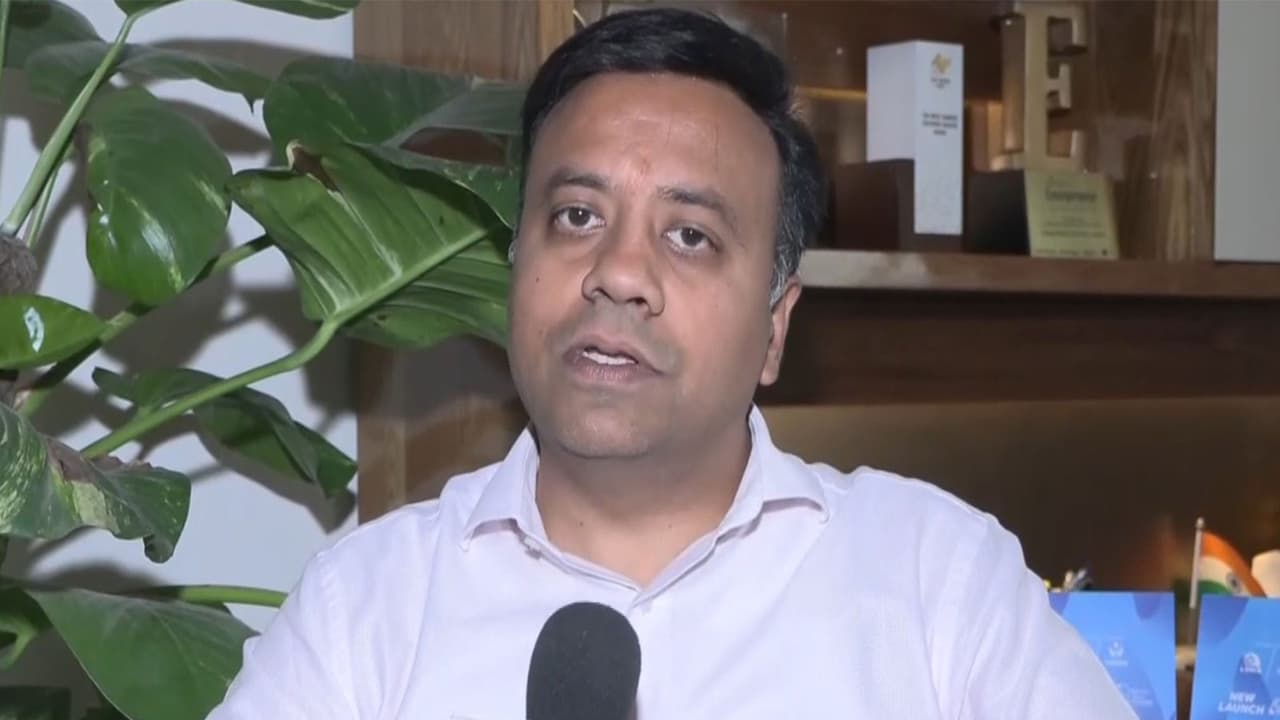
Delhi's EV Policy 2026 has the potential to be a benchmark for India, but its success will depend on affordable financing and easier credit access for consumers, according to YOUDHA CEO Ayush Lohia, who called it the 'biggest missing piece'.
Delhi's Electric Vehicle Policy 2026 has the potential to become a benchmark for the rest of the country, but its long-term success will depend on affordable financing and easier access to credit for consumers, according to Ayush Lohia, CEO of EV company YOUDHA.
Lohia said Delhi has taken a significant step towards creating a future-ready mobility ecosystem that balances environmental sustainability with economic growth. "Delhi has demonstrated strong intent through this policy. A clear roadmap for EV adoption gives confidence to manufacturers, suppliers, financiers and consumers alike. If implemented effectively, the policy has the potential to become a blueprint for other states and accelerate India's transition towards clean mobility," he said.
Financing a Major Hurdle for Mass Adoption
He noted that while incentives and regulatory support are essential, affordability remains the biggest hurdle for mass EV adoption, particularly among first-time buyers and commercial vehicle operators.
According to Lohia, the policy provides a strong framework to accelerate electric vehicle adoption through incentives, infrastructure development and a clear transition roadmap. However, he believes affordable financing and easier access to credit will ultimately determine its success. "Purchase incentives certainly reduce the upfront cost, but financing continues to be the biggest missing piece. Many customers still face higher interest rates or limited financing options for electric vehicles compared to conventional vehicles. Unless banks, NBFCs and financial institutions make EV financing more accessible and competitive, the pace of adoption may not reach its full potential," he said.
Innovative Models to Boost Affordability
Lohia added that innovative ownership models such as Battery-as-a-Service (BaaS), battery leasing and flexible repayment solutions could significantly lower acquisition costs, particularly in the price-sensitive two- and three-wheeler segments.
He further said that the next phase of India's EV growth will not be driven by technology alone but by affordability. Flexible financing, battery leasing and lower cost of ownership can make electric mobility accessible to millions of customers who are ready to switch but remain constrained by the initial purchase price.
Delhi EV Policy 2026: Incentives and Roadmap
The Delhi Electric Vehicle Policy 2026 was notified by the Delhi Government on July 1 and will remain in force until March 31, 2030.
Under the policy, buyers of eligible electric two-wheelers can receive a purchase incentive of up to Rs 30,000 in the first year, which will reduce to Rs 20,000 in the second year and Rs 10,000 in the third year.
Buyers of electric three-wheelers can avail an incentive of up to Rs 50,000 in the first year, Rs 40,000 in the second year and Rs 30,000 in the third year.
For N1 category electric light commercial trucks, vehicles weighing above 1.75 tonnes will be eligible for an incentive of up to Rs 1 lakh, while those below 1.75 tonnes can receive up to Rs 50,000 in the first year.
The policy also provides a 100 per cent waiver of road tax and registration fees for electric cars priced up to Rs 30 lakh (ex-showroom), although they are not eligible for a direct purchase subsidy.
Further, the policy states that from January 2027, registration of new petrol three-wheelers will be stopped, while from April 2028, new registrations of petrol two-wheelers will not be allowed. Existing owners of such vehicles, however, can continue using them.
(ANI)
(Except for the headline, this story has not been edited by Asianet Newsable English staff and is published from a syndicated feed.)