World Emoji Day: How 7 top brands used emoji to advertise
Synopsis
This World Emoji Day discover how leading brands effectively utilize emojis in their advertising strategies to connect with audiences, evoke emotions, and enhance brand identity. Explore the creative use of emojis and their impact on consumer engagement.
Emojis have become an integral part of modern communication, and brands have recognized their power to connect with consumers on a deeper level. Brands have successfully incorporated emojis to evoke emotions, simplify complex concepts, streamline processes, and connect with their target audiences in a more relatable and engaging manner. By leveraging the universal appeal of emojis, brands can create memorable experiences and strengthen their brand identity in the digital age.
Here are seven top brands that have successfully harnessed the power of emojis in their advertising strategies:
ALSO READ: Recognizing ADHD: 7 common signs and symptoms to watch for
1. Coca-Cola
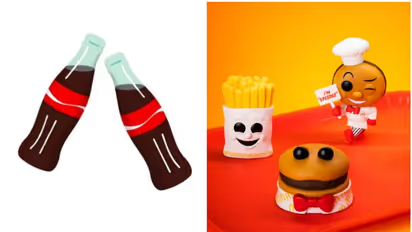
Coca-Cola, known for its innovative marketing campaigns, has utilized emojis to promote its brand and engage with its audience. In one of their campaigns, they replaced their logo on cans and bottles with various emojis, allowing consumers to express themselves through the universal language of emojis. This approach not only sparked conversations but also created a sense of fun and excitement around the brand. Coca-Cola has made also made history by becoming the first brand to have its very own emoji through a collaboration with Twitter. This partnership grants Coca-Cola the exclusive use of its customized emoji for marketing initiatives on a global scale. This unique emoji will enable Coca-Cola to enhance its online presence and engage with its audience in a more creative and interactive manner across various social media platforms.
2. Domino's Pizza
Domino's Pizza has leveraged emojis to streamline the ordering process and enhance customer experience. They launched an emoji-based ordering system where customers could place an order by simply tweeting or texting a pizza emoji to the company. This innovative approach resonated with tech-savvy customers and reinforced Domino's image as a tech-forward brand.
3. McDonald's
McDonald's is another brand that has embraced emojis in its advertising efforts. They launched a campaign where customers could order their meals by tweeting or texting a combination of food-related emojis. This interactive and playful approach allowed McDonald's to connect with younger demographics who are fluent in emoji-based communication.
4. General Electric (GE)
GE, a multinational conglomerate, has used emojis to simplify complex concepts related to science and technology. In their social media campaigns, they have incorporated emojis alongside technical terms to make their content more relatable and accessible. This strategy helps GE reach a broader audience and communicate their message effectively.
5. Chevrolet
Chevrolet, an automotive brand, utilized emojis in a social media campaign to promote their new vehicles. They created a series of short videos featuring emojis to highlight the key features and emotions associated with their cars. By using emojis to convey messages visually, Chevrolet successfully captured attention and conveyed the essence of their brand in a concise and engaging manner.
6. World Wildlife Fund (WWF)
The World Wildlife Fund has incorporated emojis to raise awareness about endangered species and environmental issues. They launched a Twitter campaign using animal emojis, such as 🐼 for pandas or 🐘 for elephants, to represent various endangered species. This creative use of emojis helped WWF reach a wider audience, evoke empathy, and encourage conservation efforts.
7. Pepsi
Pepsi, a leading beverage brand, has incorporated emojis in its advertising campaigns to connect with younger consumers. They have used emojis in digital ads, social media posts, and even on their packaging. By associating emojis with Pepsi products, the brand taps into the emotional appeal of emojis and positions itself as a symbol of youthfulness, energy, and fun.
ALSO READ: Unveiling the health benefits of Cashews: A nutritious and versatile superfood
Explore the latest Lifestyle NewsFood and RecipesHealth NewsAsianet News Official App