Why Does Your Stomach Start Hurting After Food? Here’s What It Means
Synopsis
Stomach pain after eating can happen due to overeating, indigestion, gas, acid reflux or food intolerance. Learn common causes and warning signs that may require medical attention.
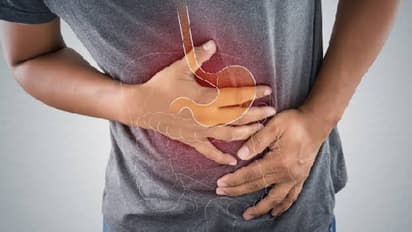
While one expects to feel content with their meals, pain in the stomach region might occur almost immediately after consuming it, leaving one puzzled about what has gone wrong. Although mild cases may not cause any danger, frequent episodes of post-meal stomach ache cannot be disregarded. The following are some of the most common causes of this problem.
Overeating or Eating Too Fast
The reason why most people have stomach ache after taking their meals can simply be attributed to overeating. Overeating causes the stomach to become bloated and too full. Eating too fast may also result in swallowing of air causing bloating and stomach pain.
Taking small amounts of food and chewing slowly may prevent these symptoms from occurring.
Indigestion and Gas
The medical term for indigestion is dyspepsia. It is characterized by upper abdominal discomfort, feeling of fullness, bloating, belching and even nausea after eating. Certain foods, overeating and eating close to bed time may exacerbate the situation. Gas production occurs as a result of food digestion or excessive swallowing of air.
Acid Reflux Can Be Discomforting
When the contents of the stomach rise into the oesophagus, there is a chance of experiencing heartburn and the feeling of burning in the chest or upper abdomen. The problem becomes evident when there are large amounts of fatty or spicy foods consumed and lying down soon after.
Eating meals in moderation and taking 3-4 hours before lying down after consuming food can reduce symptoms in some individuals.
Food Intolerance May Also Be the Case
Some individuals suffer from digestive problems due to the consumption of specific foods since their bodies cannot tolerate certain foods. Lactose intolerance is one of such conditions which leads to bloating, flatulence, and abdominal pain after the consumption of dairy products.
Tracking the eaten food and symptoms can help establish any connections.
When To Go See A Doctor?
Mild pain might not need any treatment, but if there is continuous or increased stomach pain, then you should go see a doctor. You should seek immediate medical attention if the pain is intense or there are additional symptoms, including nausea, vomiting, presence of blood in the vomit or in stool, weight loss, problems with eating, fever, yellowish skin.
If your stomach pain keeps coming up after eating, a doctor will know what the cause of the problem is.
Also read: Walking vs Running: Which Workout Burns More Calories, Helps You Lose Weight?
Explore the latest Lifestyle NewsFood and RecipesHealth NewsAsianet News Official App