Burn Incense at Home Every Day? This Hidden Health Risk May Surprise You, Study Warns
Synopsis
Do you burn incense sticks every morning and evening? Learn how regular exposure to incense smoke and indoor air pollution may affect metabolic health and potentially influence diabetes risk.
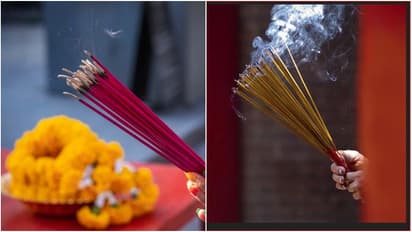
Is your daily prayer ritual actually bad for your health? For years, we've lit dhoop and agarbattis every morning and evening to purify our homes and find some peace. But doctors are now warning that this habit could be causing serious harm without you even realising it.
Several recent studies have found a direct link between indoor air pollution and Type-2 diabetes. And one of the biggest culprits, it turns out, is the smoke from our incense sticks.
So, what exactly is in this smoke that makes it so dangerous? When you burn an agarbatti, it releases toxic stuff like PM2.5 particles, carbon monoxide, formaldehyde, and benzene into the air.
Scientists explain that these tiny particles travel through your nose, into your lungs, and then get into your bloodstream. This causes two major problems in your body: 1. It increases insulin resistance. This means your body's cells don't respond properly to insulin, causing sugar to build up in your blood. 2. It causes inflammation. Constant inflammation can damage your pancreas, which is a key factor in developing diabetes.
The risk is even higher for people with a family history of diabetes, the elderly, and young children.
So, does this mean you have to stop lighting incense altogether? Not necessarily. But you absolutely must follow these three rules.
3 Rules to Safely Light Incense:
1. Ventilate your home properly
Always keep your windows and doors open when you light incense. Let the air circulate for at least 15-20 minutes. Don't ever let the smoke build up in a closed room.
2. Cut down on time and quantity
Instead of burning incense for 2-3 hours a day, light it just once for about 10-15 minutes. And use just one stick instead of a whole bunch of 4-5.
3. Go for natural options
Switch from chemical-heavy, fragrant agarbattis to natural alternatives. You can use traditional dhoop, dhoop made from desi cow dung, or even camphor. These usually have fewer chemicals.
And who needs to be extra careful? Some people need to be extra cautious. If you are a diabetic patient, pregnant, or have asthma or a heart condition, it's best to avoid incense smoke at home. The same goes for homes with children under 5.
Your faith is important, but don't follow traditions blindly. Let the purity of incense fill your home, but make sure you're also looking after your health. A little bit of awareness can keep both your home and your body safe and sound.
Also read: Is Your Cinnamon Real or Fake? Simple Tricks to Identify Genuine Cinnamon at Home
Explore the latest Lifestyle NewsFood and RecipesHealth NewsAsianet News Official App