June Gardening Tips: How to Get a Bumper Chilli and Bell Pepper Harvest
Synopsis
Want your chilli plants to give you a ton of healthy produce all summer? June is a crucial month for their care. Here are the essential tasks you absolutely shouldn't ignore for the best growth.
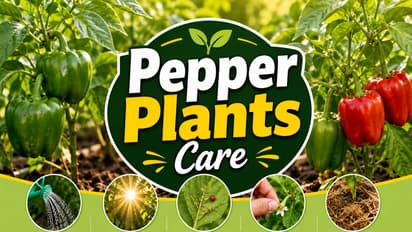
If you've planted chilli or bell pepper saplings this season, June is a super important month to ensure they grow well and give you lots of produce. Whether your plants are brand new or a bit grown, the care you give them now can make or break your entire harvest. Chilli plants aren't too fussy, really. Just give them good sunlight, fertile soil, and enough water, and they'll grow fast and fruit well. Let's get into the 5 essential jobs for your chilli plants in June that will guarantee a fantastic harvest.
Give Your Plants Enough Water
In June, the temperature shoots up and hot winds can dry out the soil very quickly. So, the most important job is to water your chilli plants regularly. For newly planted saplings, the soil should always be slightly moist, but make sure there's no waterlogging. Give them a deep watering 2 to 3 times a week so the roots grow deep into the soil. Strong, deep roots help plants survive dry spells. Even bigger plants need about 1 to 2 inches of water every week. Try to water them directly at the base, near the roots, to keep the plants healthy.
Make Sure They Get Plenty of Sunlight
Chillies are one vegetable that absolutely loves the sun. If your plants don't get enough sunlight, they'll grow tall and weak, and you'll get fewer chillies. They need at least 6 hours of direct sunlight every day. In fact, they do even better with 8 to 12 hours of sun. Morning sunlight is especially good for them, but it's also important to protect them a bit from the very harsh afternoon sun. If a tree or another plant is casting a shadow on your chilli plants, you should trim it or shift the pots to a sunnier spot.

Keep an Eye Out for Pests
The June weather isn't just great for plants; it's also a favourite for many pests. Aphids, caterpillars, and other sap-sucking insects can attack your plants in full force during this time. Make it a point to check your plants at least twice a week. Pay special attention to the underside of the leaves, as that's where most pests hide. If you see leaves curling, turning yellow, or notice a sticky substance on them, it's a clear sign of a pest attack. Using a Neem oil spray can control most common pests. Catching them early can save you from a lot of damage later on.
Pluck the First Few Flowers
This might sound a bit strange, and many gardeners don't like doing it, but it's actually very beneficial for chilli plants. When the plant is still small and starts to produce its first flowers, you should gently pluck them off. By doing this, the plant focuses its energy on strengthening its roots and leaves instead of making fruit. A stronger plant will later produce more and better-quality chillies. So, removing the first few flowers can actually boost your long-term production.
Don't Forget to Mulch
Mulching simply means covering the soil around your plants with some organic material. It's a simple but very effective technique. You can use natural materials like dry grass, leaves, straw, or even coconut husk as mulch. This helps the soil retain moisture for longer, reduces weed growth, and protects the roots from extreme heat. It also lowers the risk of many diseases that can spread from soil splashing onto the leaves during rain.
Explore the latest Lifestyle NewsFood and RecipesHealth NewsAsianet News Official App