Hibiscus Care: Why Your Gudhal Plant's Leaves Are Turning Yellow And How to Fix It
Synopsis
Is your hibiscus (gudhal) plant's leaves turning yellow even with regular watering and sunlight? We'll tell you the real reasons, from the wrong fertiliser to a pesky insect that could be ruining your plant, and how to bring it back to life.
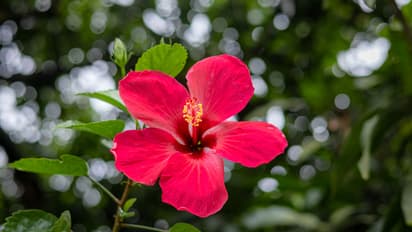
The hibiscus plant, or gudhal, is a common sight in Indian homes. Its flowers bloom in almost every season, which is why most people love to grow it without much fuss. However, sometimes, even with the best care, the leaves start turning yellow, and it's hard to figure out what's going wrong. If you're facing this problem, we've got some secret tricks that will breathe new life into your plant.
Stop Using High-Phosphorus Fertiliser
People often use high-phosphorus 'bloom buster' fertilisers to get more flowers, but this is the worst thing for a hibiscus plant. The high amount of phosphorus in it binds the iron and zinc, preventing these essential nutrients from reaching the plant. This causes the leaves to turn yellow. If you must use such a fertiliser, make sure the NPK ratio is medium Nitrogen, low Phosphorus, and high Potash.

What's the Best Soil for a Hibiscus Plant?
Most people don't know that hibiscus roots need a lot of oxygen. So, you should not use heavy soil, too much vermicompost, or excessive compost. Instead, prepare a mix with 2 parts cocopeat, 1 part perlite or vermiculite, and 1 part pine bark. This mixture will hold water and also allow air to reach the roots.
What Should the Soil's pH Level Be?
Generally, a pH value between 5.8 and 6.3 is considered best for a hibiscus plant. If the pH goes above 6.8, the leaves will start to turn yellow. To fix this, you can use elemental sulfur. Also, try adding mustard cake (sarson ki khali) every 20 days.
Can You Use Homemade Fertilisers for Hibiscus?
The hibiscus plant loves several homemade fertilisers, and onion peel tea is at the top of the list. It is rich in potash, calcium, and iron.
- Banana peel powder
- Epsom Salt: Mix one large spoon of Epsom salt in 2-3 litres of water and pour it on the plant. Do this once a month. It fixes magnesium deficiency and helps make the leaves green.
Quick Hibiscus Care Checklist
- Keep the soil's pH value between 5.8 and 6.3.
- Avoid using fertilisers with high phosphorus content.
- Use a high-potash fertiliser for healthy leaves and flowers.
- Ensure the plant gets 5-6 hours of direct sunlight daily.
Explore the latest Lifestyle NewsFood and RecipesHealth NewsAsianet News Official App