How to Reduce Infection Risk Through Simple Lifestyle Changes-Explained

Synopsis
Although "lifestyle" is a simple combination of life and style, its meaning is significantly more complex. It shows how everyday routines affect a healthy lifestyle. The human landscape has changed drastically in recent years.
The term "lifestyle" is a simple amalgam of life and style, yet its implications go far beyond a catchy phrase. It serves as a blueprint for how daily habits either benefit or detract from the fundamental style of living a healthy life. In recent years, the human landscape has undergone a drastic transformation.
Society has increasingly segregated itself into closed compartments, whether within the home or the workplace. This shift, compounded by changes in eating habits, environmental stressors, and the irrational use of medications, has begun to impact immunity and overall well-being, resulting in a slow but steady erosion of physical health.
The Consequences of Digital Overdependence
While technology has simplified many aspects of modern existence, an overdependence on digital tools has introduced serious consequences. This phenomenon is not limited to adults; even children are trading essential playground experiences for the static glow of mobile devices and televisions. Recent data highlights a worrying trend where Indian children under five now spend an average of 2.2 hours daily on screens. This sedentary behavior contributes to a projected surge in childhood obesity, as adolescents frequently fail to meet recommended levels of daily physical activity.

Furthermore, a lack of exposure to natural environments—often called the "hygiene hypothesis"—can actually weaken the immune system, making the body more susceptible to infections. It is quite ironic that while society becomes fixated on recharging mobile devices, it is also depleting its own mental and physical energy.
The Shift from Nutrition to Consumption Parallel to this digital surge, our relationship with food has also deteriorated. Modern meals have largely transitioned from a source of vital nutrition to a mere means of fulfilling appetite. Beyond just "junk food," the prevalence of synthetic ingredients and adulterated foods has become a primary contributor to hidden malnutrition. These substances introduce toxins into the system, contributing to the rising burden of metabolic health issues and weakening the body's natural resilience.

The heavy reliance on ultra-processed foods has impacted collective strength, leading India to be termed the "Diabetes Capital of the World," with over 101 million people living with the condition. Diets high in sugar and fried items create an internal imbalance that eventually leads to weight gain. This state leaves the body immunocompromised, as the "fuel" consumed lacks the necessary micronutrients needed to maintain a strong defense system against mutating pathogens.
The Growing Threat of Antimicrobial Resistance
The crisis of physical vulnerability is worsened by an increasing dependence on pharmaceutical solutions. Many believe that medical science can always give a quick fix for infections; however, the medical field faces a sobering reality as the last effective class of antibiotics was discovered decades ago. Hon’ble PM Narendra Modi has been vocal about this urgency, particularly in his recent December 2025 Mann Ki Baat address, where he cautioned that "antibiotics are not medicines that should be taken mindlessly" and emphasized that "medicines require guidance, and antibiotics require doctors." Citing reports from the Indian Council of Medical Research (ICMR), he warned that common ailments like pneumonia and UTIs are becoming harder to treat because routine drugs are losing their power.
At global platforms like the G20 Summit in Johannesburg, the Prime Minister has championed a "One Health" approach, viewing the health of people, animals, and the environment as one integrated whole. He has suggested establishing a G20 Global Healthcare Response Team to address these emergencies, emphasizing that AMR constitutes a "silent pandemic" and poses a significant risk to global security. This urgency arises from India's position at the center of this crisis, where resistance to "last-resort" antibiotics has reached concerning levels. The inappropriate use of antibiotics for viral infections and their widespread use in livestock mean that by 2050, Asia could face 4.7 million deaths annually caused directly by AMR. When a body that is already compromised by lifestyle factors comes into contact with a resilient pathogen, the typical safeguards provided by modern medicine might completely collapse.
Understanding the Body’s Silent Triggers
The body often provides early warning signs through persistent digestive issues such as bloating, acidity, or irregular bowel movements long before progressing toward more severe chronic ailments. Central to this "early warning system" is the gut microbiome, a vast community of beneficial bacteria essential for immunity. Because modern lifestyles—characterized by high stress and poor diet—disrupt this delicate flora, an imbalance between good and bad microbes becomes the underlying cause of metabolic fatigue. In India, where nearly 1 in 4 adults is overweight, these subtle digestive indicators are often overlooked. Enhancing this internal ecosystem is the first line of defense in ensuring the body's natural shields stay strong against infection.
The Responsibility of Lifestyle Reform
Although researchers are responsible for developing new medications, individuals hold the key to changing their daily habits. To tackle the ongoing health crisis, it is crucial to consciously choose nutrient-rich foods and move away from synthetic additives in favor of whole, organic nutrition. Equally important is the maintenance of the microbiome through quality supplements and fiber, which is essential for bolstering the immune system. Chemical-free supplements and natural, fiber-rich foods help enhance and sustain beneficial gut flora, supporting the body’s ability to prevent and recover from infections. In addition, it is necessary to adopt sensible medication practices, using antibiotics only when absolutely required and as directed by a healthcare professional.
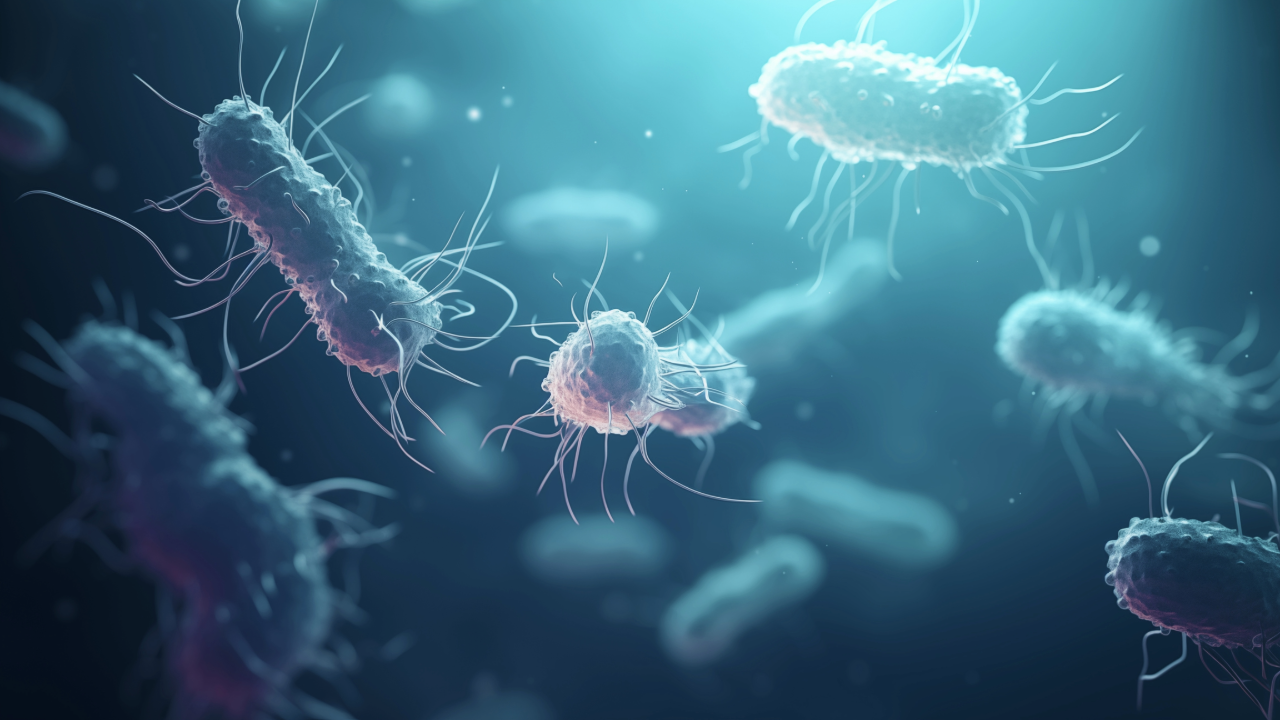
This strategy is crucial not only to avoid further resistance but also to protect the fragile balance of the human microbiome, ensuring that beneficial bacteria thrive to enhance our overall immunity and metabolic health. Addressing the rise of Non-Communicable Diseases (NCDs) and Antimicrobial Resistance (AMR) needs a personal commitment to change. Reconnecting with nature and engaging in physical activity can help restore the body’s natural rhythm, which the Prime Minister refers to as a journey toward "Integral Humanism"—aligning progress with nature. In the end, the most valuable asset is a healthy body and mind; it is the everyday choices of a chosen lifestyle that decide if that asset is maintained or wasted.
-Pranshul Aggarwal, Founder, LivLively
Explore the latest Lifestyle NewsFood and RecipesHealth NewsAsianet News Official App