How to Detect Hidden Cameras in Hotel Rooms and Rental Homes? 7 Simple Checks
Synopsis
While hotels and holiday rentals usually respect guest privacy, hidden cameras can sometimes be concealed in everyday objects. By taking simple precautions like inspecting electronics, using a smartphone flashlight, and scanning Wi-Fi networks, travellers can identify suspicious surveillance equipment.
Staying in a hotel or holiday rental should offer comfort and privacy, but concerns about hidden cameras have made room inspections an important part of travel safety. Small surveillance devices can be concealed inside everyday objects, making them difficult to identify at first glance.
Although most hotels and rental properties respect guests’ privacy, taking a few simple precautions when you arrive can help you identify suspicious equipment. From inspecting electronic devices to using your smartphone flashlight, here are seven ways to check your accommodation for hidden cameras.
1. Inspect Everyday Objects Carefully
Start by looking around the bedroom, bathroom and living area. Pay attention to objects that appear unusual, have been placed at odd angles or seem out of place. Alarm clocks, smoke detectors, chargers, lamps, television boxes, decorative items and air purifiers are examples of objects worth inspecting if something about them seems suspicious. Look for tiny holes, unfamiliar attachments, loose parts or openings that do not appear to serve an obvious purpose. However, these objects are common in legitimate accommodation too. Their presence alone does not indicate surveillance.
2. Use Your Phone’s Flashlight to Look for Lens Reflections
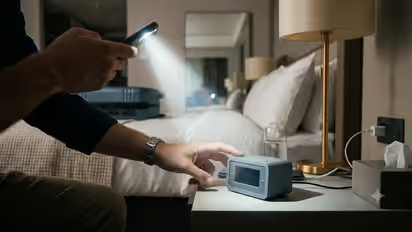
A smartphone flashlight can help you examine suspicious objects more closely. Dim the room lights and slowly shine the flashlight across their surfaces from different angles. Camera lenses may produce a small, distinctive reflection when illuminated. Pay particular attention to objects facing beds, changing areas or bathrooms. This technique is not foolproof, as ordinary glass, polished surfaces and other components can also reflect light. Treat any unusual reflection as a reason to investigate further rather than proof that a camera is present.
3. Check Unfamiliar Electronic Devices
Examine electronic items that you did not expect to find in the room, especially devices connected to power outlets or positioned to provide a clear view of private spaces. Look for unexplained cables, unusual indicator lights, tiny openings or equipment that differs from similar devices elsewhere in the property. Do not dismantle electrical equipment or tamper with smoke alarms and other fire-safety devices. If an item appears suspicious, photograph it and report your concern to the property manager.
4. Check the Room’s Wi-Fi Network for Unknown Devices
Some hidden cameras transmit footage over Wi-Fi. Network-scanning apps can sometimes identify devices connected to the same local network. If you have access to the accommodation’s network, a scan may reveal unfamiliar devices that warrant further investigation. However, the results can be difficult to interpret because hotels and rental properties may have many legitimate connected devices. A clean scan does not guarantee that a room is free of cameras. Some devices use separate networks, connect through other means or record footage locally without transmitting it.
5. Look Closely at Mirrors and Glass Surfaces
Mirrors can be included in a room inspection, particularly if one appears unusual or is positioned in a way that raises concerns. However, popular online tricks—such as judging a mirror by whether a fingertip touches its reflection—are not reliable ways to determine whether it is a two-way mirror. Lighting, construction and the space behind the glass can affect what you see. If a mirror appears improperly installed or you notice unexplained openings or equipment around it, document the concern and ask the accommodation provider to investigate.
6. Consider a Dedicated Camera Detector
Frequent travellers may choose to carry a specialist hidden-camera detector. Depending on the model, these devices may use lens-reflection detection or radio-frequency signals to identify certain surveillance equipment. Their effectiveness varies. Radio-frequency detectors may miss cameras that are switched off, recording locally or not transmitting, while other electronic devices can trigger false alerts. Use such equipment as an additional precaution rather than a guarantee of privacy. Carefully read the manufacturer’s instructions before relying on the results.
7. Inspect Areas Where Privacy Matters Most
During your initial room check, pay special attention to spaces where guests reasonably expect privacy, including bedrooms, bathrooms and changing areas.
Look for unusual devices, unexplained openings or objects deliberately angled towards these spaces. Also check whether the property listing disclosed any permitted surveillance equipment and where it is located. Rules governing cameras vary by location and booking platform. Before reserving a rental, review the property’s surveillance disclosures and the platform’s privacy policies.
What Should You Do If You Find a Suspicious Device?
If you discover an object that you genuinely suspect may contain a hidden camera, avoid dismantling it or attempting to access its recordings.
Take photographs of the device and its location, provided you can do so safely. Contact hotel management or the rental platform and request an immediate investigation. If the concern involves a camera in a private space or you suspect unlawful recording, consider leaving the room and contacting local police or the appropriate authorities. Keep copies of relevant photographs, booking details and communications. Avoid confronting anyone if doing so could put your safety at risk.
A Few Minutes of Caution Can Help Protect Your Privacy
Checking a hotel room or rental home does not need to become an elaborate investigation. A brief visual inspection, attention to unfamiliar electronics and a clear understanding of the property’s surveillance policy can help you identify potential concerns.
No single method can detect every type of hidden camera, and unusual objects are not automatically evidence of spying. If something genuinely appears suspicious, document it and seek help from the appropriate authorities instead of relying solely on smartphone tricks or detection apps.
Explore the latest Lifestyle NewsFood and RecipesHealth NewsAsianet News Official App