Navratri 2026 Special: How to Make Crispy Sabudana Tikki at Home?
Synopsis
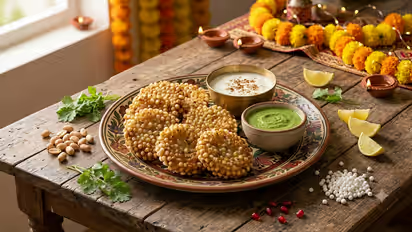
Sabudana tikki is a delicious and filling snack perfect for Navratri fasting, made with soaked tapioca pearls, potatoes, and roasted peanuts. By following a simple five-step process and key tips for moisture control, you can easily prepare this crispy treat at home. Serve it with vrat-friendly chutney or yoghurt for a complete fasting meal.
Navratri fasting does not mean you have to settle for the same few dishes every day. If you are looking for a crispy and filling snack, sabudana tikki is a delicious option that can be prepared easily at home.
Made with soaked tapioca pearls, potatoes and roasted peanuts, sabudana tikki has a crunchy exterior and soft, flavourful centre. It can be enjoyed as a breakfast, evening snack or light meal during Navratri, depending on individual fasting traditions.
Ingredients For Sabudana Tikki
- 1 cup sabudana
- 2 medium-sized potatoes
- ½ cup roasted peanuts
- 1–2 green chillies, finely chopped
- 1 teaspoon cumin seeds
- 1 teaspoon lemon juice
- 1 tablespoon chopped coriander, if permitted
- Sendha namak to taste
- 1–2 tablespoons kuttu or singhara flour,
- optional Ghee or oil for shallow-frying
Step 1: Soak The Sabudana Properly
Wash the sabudana thoroughly and soak it in enough water for about 4–6 hours, or overnight. The amount of water is important. Avoid adding too much, as excess water can make the mixture sticky and difficult to shape. After soaking, drain the sabudana well and leave it aside for a few minutes so that excess moisture is removed. Quick test: Press a soaked sabudana pearl between your fingers. It should mash easily without remaining hard in the centre.
Step 2: Prepare The Potatoes And Peanuts
Boil the potatoes until tender. Allow them to cool, peel them and mash them thoroughly. Dry-roast the peanuts in a pan until they become crunchy. Once cooled, crush them coarsely. Avoid grinding them into a fine powder—the small crunchy pieces add texture to the tikkis.
Step 3: Make The Tikki Mixture
Add the soaked sabudana, mashed potatoes and crushed peanuts to a large bowl. Add cumin seeds, chopped green chilli, lemon juice and sendha namak. If the mixture feels too soft or sticky, add a little kuttu or singhara flour to help bind it. Mix everything gently until you get a firm mixture that can be shaped easily.
Step 4: Shape The Tikkis
Grease your palms with a little ghee or oil. Take a small portion of the mixture and roll it into a ball. Flatten it gently between your palms to create a round tikki. Keep the tikkis moderately thin if you want them to turn extra crispy. Repeat until all the mixture has been used.
Step 5: Cook Until Golden And Crispy
Heat a non-stick or cast-iron pan over medium heat and add a little ghee or oil. Place the tikkis on the hot pan, leaving some space between them. Cook them patiently over medium heat until the bottom becomes golden brown and crisp. Flip them carefully and cook the other side until equally crisp. Avoid flipping the tikkis too frequently, as they can break before developing a firm crust.
Tips To Make Extra-Crispy Sabudana Tikki
Drain the sabudana well: Excess moisture is one of the biggest reasons tikkis become soft or fall apart.
Don't overcook the potatoes: Very watery potatoes can make the mixture loose.
Use coarsely crushed peanuts: They add crunch and help improve the texture.
Keep the tikkis thin: A thinner tikki develops a crispier outer layer.
Cook on medium heat: High heat can brown the outside quickly while leaving the inside soft.
Let the pan heat properly: Place the tikkis only after the pan is hot enough.
Don't overcrowd the pan: Cooking in batches helps each tikki develop an even crust.
What To Serve With Sabudana Tikki?
Crispy sabudana tikkis taste great with plain yoghurt, vrat-friendly green chutney or a coriander-peanut dip. You can also serve them with a bowl of chilled yoghurt topped with roasted cumin powder and sendha namak.
Since fasting rules can differ between households and regions, check which ingredients are permitted according to your personal Navratri vrat tradition. With properly soaked sabudana, well-drained ingredients and slow shallow-frying, you can make crispy, golden sabudana tikkis at home that are perfect for Navratri fasting.
Explore the latest Lifestyle NewsFood and RecipesHealth NewsAsianet News Official App