Janmashtami 2026: Living Abroad? Here’s How To Celebrate Krishna’s Birthday!
Synopsis
Janmashtami 2026 will be celebrated on September 4. Indians living abroad can observe Krishna’s birthday at home through fasting, puja, bhajans, bhog and storytelling, while following the local Panchang and Nishita Kaal timings of their country.
For Indians living outside the country, festivals such as Janmashtami offer an opportunity to preserve familiar traditions while helping children understand their cultural roots. Even without access to a nearby temple or the same festive atmosphere found in India, families can mark Lord Krishna’s birth with a simple celebration at home.
One important question for devotees abroad is whether they should follow the Janmashtami timings observed in India or calculate the timings according to their current location. For 2026, Janmashtami will be observed on September 4.
Janmashtami In Bengaluru: Visit 4 Famous Krishna Temples From Morning To Night
Why Janmashtami Timings Differ Abroad
Janmashtami commemorates the birth of Lord Krishna, traditionally believed to have taken place at midnight on Ashtami Tithi during Krishna Paksha in the month of Bhadrapada. Devotees commonly fast during the day and conduct the main worship around midnight.
Janmashtami 2026: Top 6 Tips To get Lord Krishna's Blessing THIS Special Day
For those living in countries such as the USA, UK, Canada and Australia, the relevant puja timing is based on the local Panchang and time at their place of residence. Devotees should therefore not simply convert India’s midnight timing to their local clock.
The Nishita Kaal, considered the period for the midnight Krishna birth celebration, can vary from one country or location to another because sunrise, sunset and time zones differ. Those attending a local temple can also follow the schedule announced by that temple.
Create A Simple Krishna Corner At Home
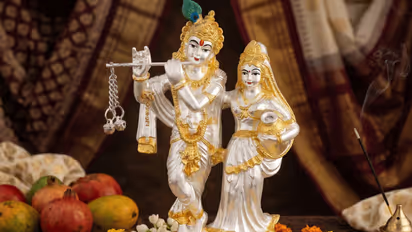
A grand setup is not necessary to observe Janmashtami. Families can select a clean space and place a picture or murti of Lord Krishna there.
The area can be decorated with flowers, diyas, peacock feathers, a small flute, Tulsi leaves and yellow or blue fabric. Fruits and sweets can also be kept as part of the setup.
Children can participate in decorating the space. Involving them in these preparations can make the festival more engaging while giving parents an opportunity to explain the traditions associated with Janmashtami.
Fasting According To Family Tradition
Fasting is an important part of Janmashtami for many devotees, although the method can differ between families and traditions.
Some people have fruits, milk or other permitted foods during the fast, while others observe a stricter form of fasting. Those living abroad can choose an approach that fits their religious tradition as well as their work, university and other responsibilities.
The fast is generally concluded after the appropriate Parana time according to the relevant local timings and family practice.
Welcome Krishna At Midnight
The midnight celebration is the central moment of Janmashtami as devotees commemorate Krishna’s birth.
At the locally applicable Nishita Kaal, families can light a diya, offer flowers, chant Krishna mantras, sing bhajans and conduct a short puja. Bhog can be offered, while bells or a conch may be used where appropriate.
Families living in apartments or shared accommodation do not need to organise a large ceremony. A quiet and simple celebration can carry the same devotional significance.
Bhajans Can Bring The Festive Spirit Home
Devotional music can help recreate the atmosphere of Janmashtami for families living far from India. Traditional Krishna bhajans, kirtans and other devotional songs can be played during the evening.
Families can also sing together rather than relying entirely on recorded music. For children raised abroad, participating in these activities can become a meaningful connection to Indian culture and traditions.
Easy Bhog Options For Families Abroad
Preparing an elaborate spread is not essential for Janmashtami. Families can offer simple items that are available locally.
Common choices include makhan-mishri, fruits, milk, yogurt, dry fruits, coconut and homemade sweets. Traditional dishes suitable for the family’s fasting practice can also be prepared.
If certain Indian ingredients are difficult to find abroad, families need not worry about recreating every traditional dish. The focus remains on devotion rather than the size or variety of the offering.
Make Janmashtami Fun For Children
Families abroad can introduce children to Krishna’s story through simple activities.
Children can dress up as Radha or Krishna using a yellow dhoti, peacock feather, flute and other basic accessories. Families can also organise a small and safe Dahi Handi activity at home rather than attempting to recreate the large public celebrations commonly held in India.
Another meaningful activity is storytelling. Parents can narrate the story of Krishna’s birth, including Devaki and Vasudeva and Krishna’s journey from Mathura to Gokul. This can help children growing up outside India understand the significance behind the festival.
A Simple Celebration Plan For September 4
Families looking for an uncomplicated schedule can divide the day into a few stages.
- Morning: Begin the fast according to family tradition and the local Panchang.
- Daytime: Decorate the Krishna altar, prepare the bhog and involve children in festival-related activities.
- Evening: Wear traditional clothes, play or sing bhajans and read or narrate stories about Krishna.
- Before midnight: Keep the puja thali and offerings ready.
- Nishita Kaal: Conduct the Krishna birth puja according to the local timing applicable to your location.
- After the celebration: Offer the bhog and conclude the fast according to the appropriate Parana timing and family tradition.
What Devotees Abroad Should Remember
Janmashtami 2026 falls on September 4. Indians living abroad can observe the festival at home even if there is no Krishna temple nearby.
The key point is to follow the Tithi and Nishita Kaal applicable to the location where you live rather than directly using India’s puja schedule. Local temple timings can also be followed when participating in community celebrations.
Whether it is through fasting, a small Krishna altar, bhajans, bhog, storytelling or a midnight puja, families can celebrate Krishna Janmashtami meaningfully while keeping their traditions alive far from India.
Explore the latest Lifestyle NewsFood and RecipesHealth NewsAsianet News Official App