7 types of home made masks for face
Synopsis
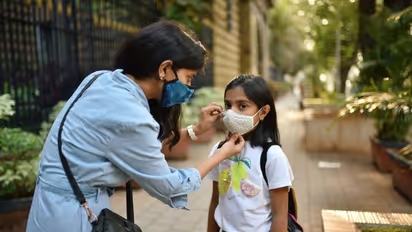
Certainly, here are seven types of homemade face masks that you can try. Keep in mind that while these masks might offer some level of protection, they are not a replacement for medical-grade masks and should be used in conjunction with other preventive measures.
Remember that the fit, number of layers, and breathability of the fabric are important factors when creating a homemade mask. Additionally, make sure to wash and disinfect your hands thoroughly before putting on or removing any mask, and wash the mask regularly.
Coffee Filter Mask: Insert a coffee filter between layers of fabric in a cloth mask. Coffee filters can potentially provide additional filtration.
No-Sew Mask: Use a square piece of cloth (like a scarf or handkerchief) and fold it into multiple layers, then secure it with rubber bands or hair ties without the need for sewing.
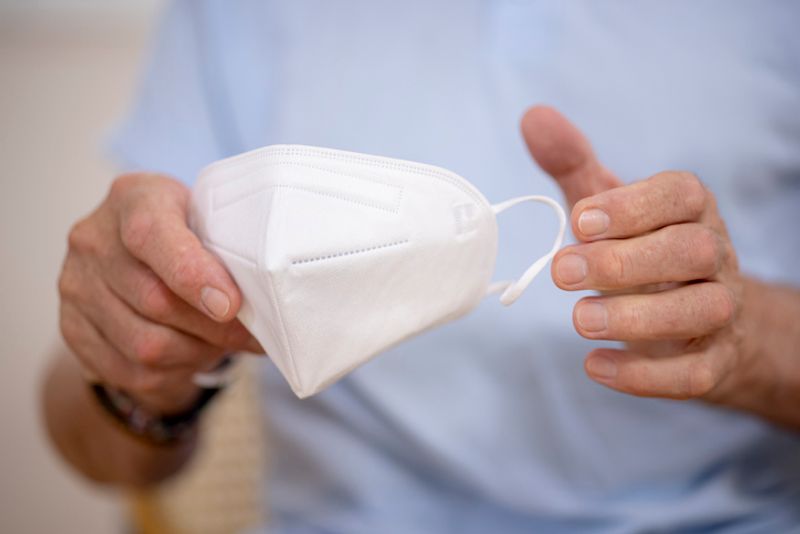
Sock Mask: Cut the toe section off a clean sock, and then cut a slit in the heel section to create ear loops. This makeshift mask can cover the nose and mouth.
Paper Towel Mask: Layer a few sheets of paper towel between two layers of fabric to create a makeshift mask. Paper towels might offer some filtration, but their effectiveness is limited compared to proper masks.

For the best protection, it's recommended to use medical-grade masks, especially in high-risk situations. Homemade masks can be a supplement to these measures but may not offer the same level of filtration and protection.
Explore the latest Lifestyle NewsFood and RecipesHealth NewsAsianet News Official App