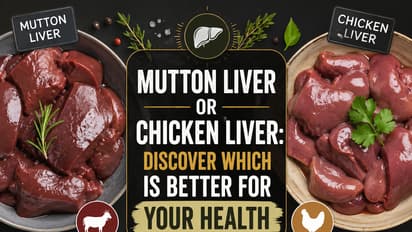
The big question for many non-veg lovers: mutton liver or chicken liver? We break down the nutritional facts to help you decide which is better for you.
Mutton Liver vs. Chicken Liver: The Basic Difference
Both mutton and chicken liver are animal livers, packed with essential nutrients like protein, iron, and vitamins A and B12. People love them in various dishes for their unique taste and health benefits. Usually, mutton liver costs a bit more than chicken liver in food stalls. But the main question everyone asks is: which liver gives your body more nutrition? Let's find out.
Mutton and chicken liver are both protein-rich foods. They provide essential amino acids for muscle growth. Nutrition experts say that 100 grams of mutton liver contains about 26 grams of protein, while the same amount of chicken liver has about 24 grams. When it comes to iron, both are excellent sources. According to one study, mutton liver has slightly more iron than chicken liver, but remember, the difference is very small.
Both types of liver are extremely rich in Vitamin A. Studies show that mutton liver might have a bit more Vitamin A than chicken liver. This vitamin is great for your eyesight and immune system. Additionally, both are loaded with Vitamin B12, which is vital for a healthy nervous system and producing red blood cells. A 100-gram serving provides more than your daily requirement of vitamins A and B12, so it's important to eat it in moderation.
It's best to choose between mutton and chicken liver based on your dietary needs. For example, people with anaemia or low iron levels can choose mutton liver, as it has slightly more iron. If you're looking for a lower-calorie and lower-fat option, chicken liver is a good choice. Generally, 100 grams of mutton liver has about 135 calories, while the same amount of chicken liver has about 115 calories. Your personal needs are what matter most, as both are nutritious options.
Eating nutrient-rich liver in moderation is what benefits the body. Since it's high in Vitamin A and cholesterol, you should eat it only once a week or once or twice a month in small portions. Pregnant women, in particular, should completely avoid liver or not eat it without a doctor's advice, as excess Vitamin A can pose a risk to the baby's development. Also, people with health issues like gout or cholesterol problems should consult their doctor before eating liver.