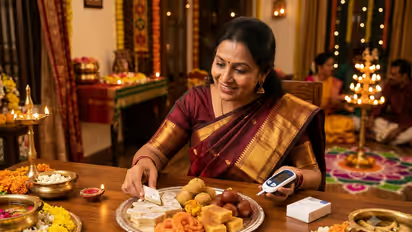
You immediately think of Kaju Katli, Laddu, Gulab Jamun, and Mysore Pak when you hear the word Diwali. Many people wonder if diabetic patients can eat sweets during the festival season. You do not need to avoid all sweets completely just because you have diabetes. You must pay attention to your portion size, your food choices, and your blood sugar levels.
You can take care of your health while celebrating Diwali through a proper diet plan, moderate sweet intake, physical activity, and regular blood sugar monitoring. We will look at 6 important things diabetic patients must remember during the festival season.
Kaju Katli, Laddu, Gulab Jamun, and Barfi hold a special place in Diwali celebrations. The carbohydrates and sugar in these sweets can spike your blood sugar levels.
You do not have to avoid your favourite sweets completely. You should avoid eating many types of sweets at the same time. You can pick one favourite sweet and eat a small portion. You must eat slowly and enjoy the taste. You should factor this into your planned meal size and total carbohydrate intake.
You make a mistake if you skip lunch thinking you can eat more at the Diwali feast.
You risk a severe drop in blood sugar if you skip meals, especially if you take insulin or blood sugar-lowering medicines. You also tend to overeat at the feast because you stay hungry for a long time.
You must stick to your regular meal times as much as possible. You should not skip breakfast or lunch just to eat sweets. You must include the sweet in your overall diet plan. You should never change your medicine or insulin dosage on your own.
Diwali brings not just sweets but also Poori, Samosa, spicy snacks, and Murukku. You increase your total carbohydrate intake when you eat these along with sweets.
You must maintain balance on your food plate to avoid this.
You should add fiber-rich vegetables to your diet. You can include protein foods like dal, lentils, paneer, eggs, or meat in the right amounts. You must eat carbohydrate foods like rice, chapati, and potatoes in planned quantities. You should consume fried foods like Samosa and Poori in moderation.
You should not think that only sweets contain carbohydrates that affect sugar levels. Foods like rice, roti, and potatoes also impact your blood sugar levels.
Many people drink cold drinks, fruit juices, sugary beverages, and sharbat along with sweets during Diwali.
The sugar in these drinks can also increase your blood glucose levels. Your total sugar intake shoots up when you combine sugary drinks with sweets.
You should choose water mostly. You must give priority to drinks without added sugar. You should read the nutrition labels on store-bought drinks. You must not drink unlimited fruit juice just because it is natural.
You might miss your regular exercise during Diwali because you stay busy visiting relatives and attending feasts.
Physical activity plays a major role in controlling diabetes. You can walk slowly for some time after meals if your health permits. You also get help from doing festival chores at home and walking to nearby places.
You must take some precautions though. You should choose exercises that suit your health condition. You must follow the exercise advice given by your doctor. You should follow your doctor's advice on checking blood sugar before and after exercise if you take insulin or sugar-lowering medicines. You must not exercise if your blood sugar is very low or if you feel unwell.
You can easily find sugar-free sweets made for diabetic patients these days. You cannot guarantee that eating them will not affect your blood sugar levels.
Sugar-free sweets can still contain carbohydrates, fat, and calories. Their nutritional values change based on the ingredients used.
You must read the ingredient list before buying them. You should check the nutrition details. You must verify the serving size. You should not treat 'no added sugar' and 'no carbohydrates' as the same thing.
Some people can include even regular sweets in very small amounts in their diet plan. This depends entirely on their personal health condition and blood sugar control.
Important medical note: These guidelines serve as general information only. Diet restrictions change based on the nature of each person's diabetes, medicines, and health condition. You must consult your doctor or a qualified dietitian to decide the right diet plan for you.
You can celebrate Diwali happily while taking good care of your health!
Explore the latest Lifestyle NewsFood and RecipesHealth NewsAsianet News Official App