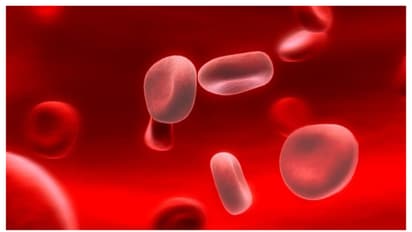
Iron deficiency anemia occurs when the body lacks enough iron or loses it excessively, reducing red blood cell production. Early recognition of symptoms and signs is vital for prompt treatment and maintaining good health.
Iron deficiency anemia occurs when the body lacks sufficient iron or loses too much. This prevents adequate hemoglobin production, a key component of red blood cells that gives blood its red color, leading to fatigue and other health issues.
28
How Low Iron Causes Anemia
Low iron levels in the body decrease hemoglobin production in the blood, which can result in iron deficiency anemia, affecting oxygen transport and causing fatigue, weakness, and other related symptoms.
38
Expert Insight on Iron Deficiency
Dr. Vichitra Sharma, Senior Consultant in Dermatology at Amrita Hospital, Faridabad, highlights key symptoms the body exhibits when experiencing iron deficiency, helping in early detection and timely intervention.
The first signs of iron deficiency often appear in the skin, lips, hair, and nails. Dull skin, excessive hair loss, and brittle nails are common indicators that the body may be lacking iron.
58
Pale Lips and Eyelids
Pale lips or the inner eyelids are among the earliest and most noticeable signs of low iron. Normally, healthy lips have a light pink hue, so paleness can indicate iron deficiency.
68
Why Lips Turn Pale
Low iron reduces oxygen supply to tissues, causing lips to lose their natural color. While often mistaken for fatigue or dehydration, persistently pale lips may signal iron deficiency and should prompt a visit to a doctor.
78
Nail Changes
Iron deficiency can show in the nails. Brittle nails that break easily, slow growth, or nails curving inward into a concave shape are common signs of low iron levels.
88
Hair Loss and Slow Healing
Iron deficiency can cause prolonged hair loss lasting months. It also slows wound healing, making small cuts, bruises, or acne scars take longer to recover.