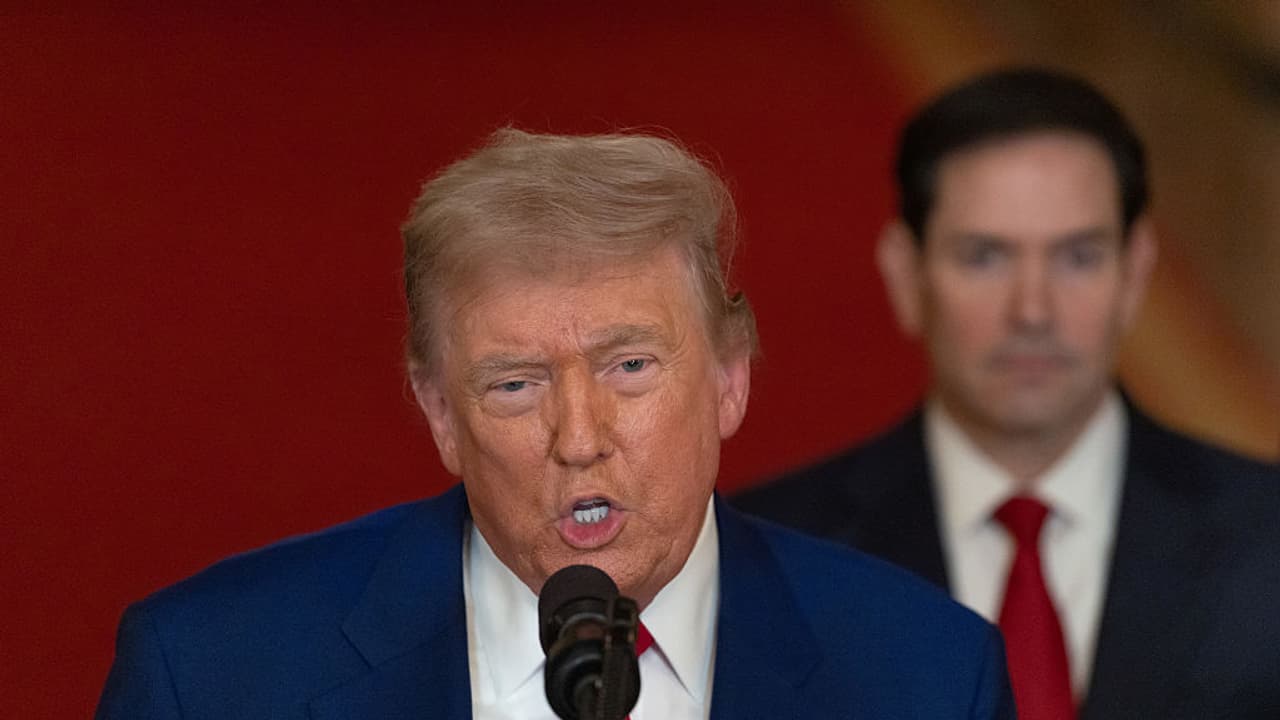
Amid escalating tensions, President Trump is considering deploying “boots on the ground” in Iran, a term for sending ground troops into a conflict zone. This would mark major escalation from the current US strategy of remote warfare like airstrikes.
Amid escalating tensions with Iran, US President Donald Trump has indicated he is open to the possibility of deploying “boots on the ground,” a phrase that carries significant military and geopolitical implications. The term, widely used in defence and political discourse, refers to the deployment of soldiers physically present in a conflict zone.
In simple terms, “boots on the ground” means sending ground troops into a country, rather than relying only on airstrikes, drones, cyber operations, or naval forces. It represents direct, on-the-ground military involvement, where soldiers engage in combat, secure territory, or carry out operations within the region.
Also Read: Bombing Iran, Trump Has 'Epic Fury' But Endgame Undefined
Related Articles

Trump’s remarks are significant because they signal a potential shift from limited or remote warfare to a deeper and more direct military engagement with Iran. So far, US strategy has largely focused on aerial strikes and coordinated operations with allies. Introducing ground troops would mark a major escalation, increasing both military risk and political stakes.
Historically, the phrase has been closely associated with prolonged conflicts such as Iraq and Afghanistan, where deploying ground forces often led to extended military commitments, higher casualties, and complex exit strategies. This is why leaders often hesitate to commit to “boots on the ground,” as it suggests a more intensive and potentially long-term involvement.
At the same time, Trump has not confirmed any immediate deployment, instead keeping the option open depending on how the situation evolves. This strategic ambiguity allows the US to maintain pressure on Iran while avoiding a firm commitment to a full-scale invasion.
The renewed discussion around “boots on the ground” comes as the Middle East faces heightened instability, with drone strikes, missile attacks, and retaliatory actions spreading across the region. Whether the US ultimately deploys troops or continues with limited operations will be a crucial factor in determining the scale and duration of the conflict.
Also Read: How Israeli spies used hacked cameras to kill Ayatollah Khamenei