
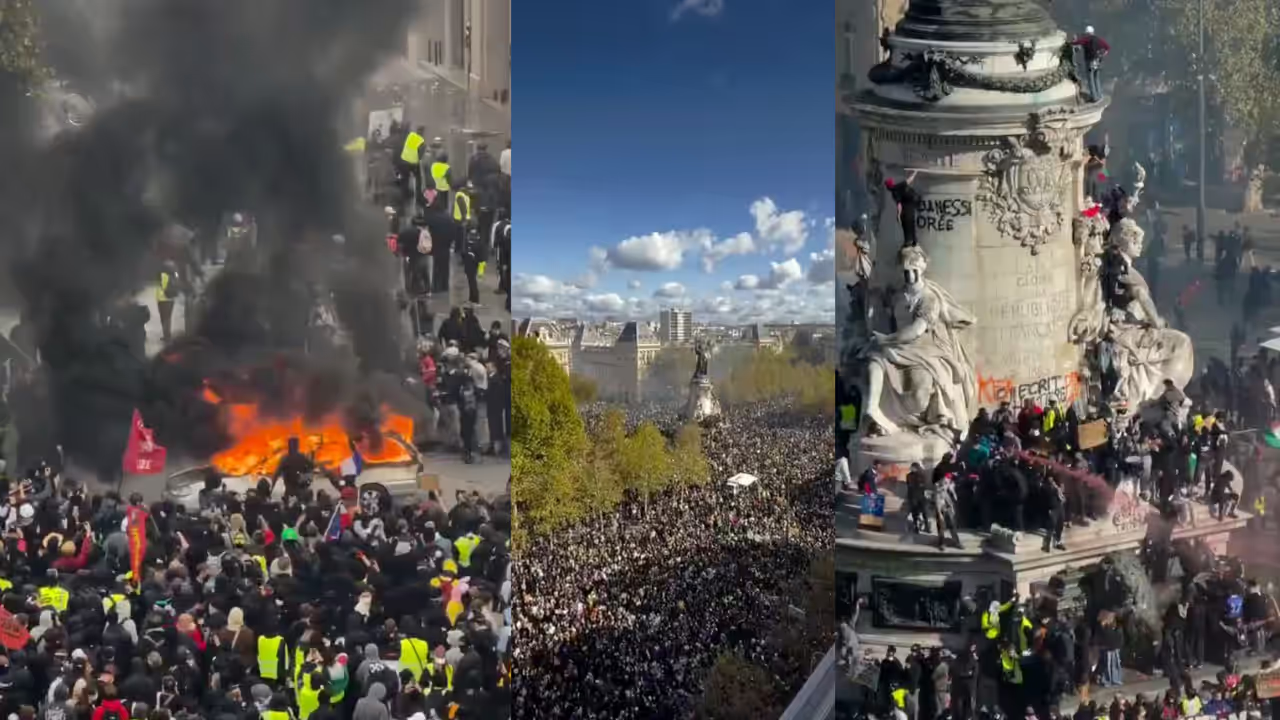
Economic frustration is reshaping politics across Europe as households confront mounting costs, social tensions intensify and election campaigns increasingly revolve around one issue affecting millions.
Surging fuel and energy costs are emerging as a major political force across Europe, driving public anger, triggering mass demonstrations and strengthening support for parties once considered outside the political mainstream.
Governments across the continent are facing growing pressure as households struggle with higher living expenses and businesses grapple with soaring operating costs. The situation has intensified since the outbreak of the US-Iran conflict in February, which disrupted energy markets and pushed fuel prices sharply higher.
The economic strain is increasingly spilling into politics. Far-right parties in several countries have gained momentum by focusing on rising living costs, energy bills and dissatisfaction with existing economic policies. With major elections approaching in countries including France, Italy and Poland, the issue is becoming one of the defining political battlegrounds.
Public frustration has also moved from opinion polls to the streets. Demonstrations have spread across multiple European nations as citizens protest over affordability concerns, housing pressures, fuel costs and declining public services.
France has become one of the most visible examples of this trend. What began as demonstrations linked to deteriorating school conditions in northern Paris suburbs evolved into wider protests centred on living costs and economic hardship. In several cities, violence accompanied the unrest, leading to looting, property damage and confrontations with police.
Many demonstrators say everyday expenses have become increasingly difficult to manage. Rising food prices, expensive fuel and broader inflationary pressures have left households feeling squeezed despite government efforts to address economic concerns.
The wider economic impact has been significant. European Commission estimates cited in the debate suggest that disruptions linked to the Iran conflict have cost Europe roughly €100 billion through effects on trade and energy markets. Gas prices have risen sharply, while diesel costs have reportedly doubled.
Economic Anxiety Reshapes Political Landscape
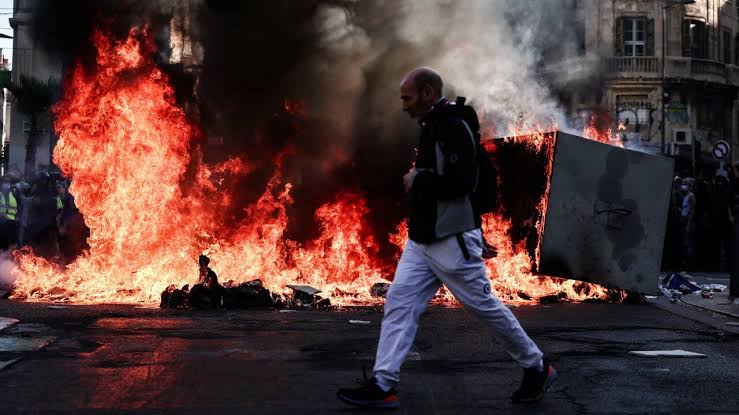
In Italy, clashes broke out in Milan during protests over living costs and public services. In Sicily, farmers have warned that fuel prices are making agricultural operations increasingly difficult. Truckers, farmers and industrial workers have also staged disruptive actions that affected transportation networks and local supply chains.
Portugal witnessed large demonstrations in Lisbon over wages, housing affordability and the broader cost of living. Spain has experienced widespread protests linked to housing shortages and rising rents. Belgium and Albania have also seen public demonstrations driven by economic and social grievances.
Political analysts increasingly view purchasing power as one of the most influential issues shaping voter behaviour across Europe.
The debate has also reopened discussions surrounding the continent's energy strategy. Several political movements on both the right and left argue that restoring certain energy relationships with Russia could help lower prices and reduce pressure on consumers. These positions challenge the prevailing political consensus that has dominated European policy since Russia's invasion of Ukraine in 2022.
In France, fuel prices have become a key issue ahead of next April's presidential election. Marine Le Pen of the National Rally and left-wing politician Jean-Luc Melenchon have both placed energy affordability at the centre of their campaigns.
Polling trends suggest economic concerns are influencing voter sentiment. Analysts note that proposals aimed at reducing fuel costs resonate particularly strongly in rural and semi-rural areas where residents depend heavily on private vehicles.
Germany is experiencing similar dynamics. Rising energy costs and inflation have contributed to growing support for the Alternative for Germany party, which argues that current policies place unnecessary burdens on households and businesses.
Comparable debates are emerging in Italy and Poland, where political movements are increasingly linking energy prices, economic competitiveness and voter concerns.
As fuel and living costs remain elevated, analysts say economic pressure is likely to remain a dominant force in European politics. With elections approaching across several countries, concerns about affordability, energy security and household finances appear set to play an increasingly important role in shaping both public debate and electoral outcomes.
