
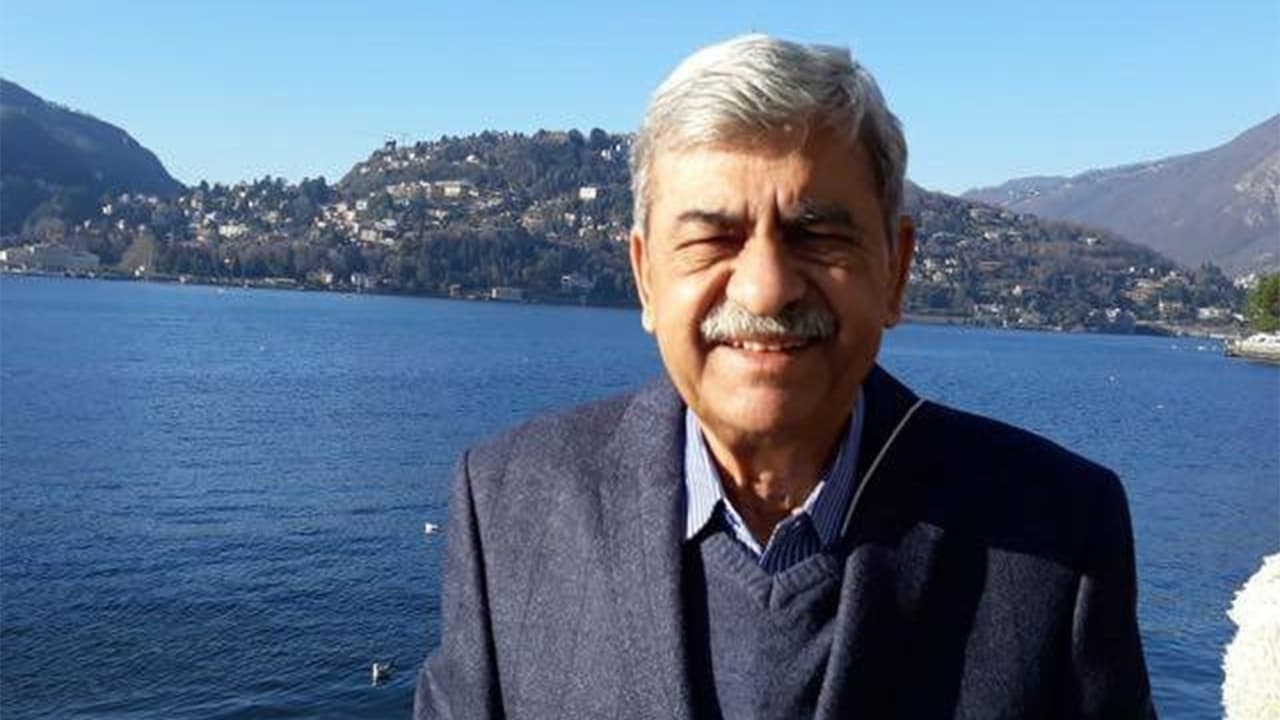
A year after the Pahalgam attack, researcher Baseer Naveed alleges it follows a pattern used in Pakistan, with the same trainers. He criticises Pakistan's inaction and failure to prosecute figures from terror groups like Lashkar-e-Taiba.
Pahalgam Attack's Striking Similarities to Past Incidents
A year after the deadly Pahalgam terror attack, serious questions are being raised about the origins and operational patterns behind such incidents, with former researcher at the Hong Kong-based Asian Human Rights Commission (AHRC), Baseer Naveed, alleging striking similarities with past terror attacks.
Calling the Pahalgam incident "highly condemnable," Naveed pointed to a recurring method used by terrorist groups. "They come, get people off the bus, and then identify who is a Hindu and who is a Muslim," he said, adding that similar tactics were previously used in Pakistan's Kurram District in Khyber Pakhtunkhwa and in Balochistan province, where sectarian and ethnic identities were used to target victims.
A Broader Pattern of Terror
According to Naveed, such attacks are not isolated but reflect a broader pattern. He noted that in multiple incidents in Pakistan-occupied Gilgit-Baltistan (PoGB) and Balochistan, attackers identified victims based on sect or ethnicity before executing them. "The trainers are the same, and they are the same trainers who did Pahalgam," he claimed, suggesting continuity in operational networks.
Pakistan's Response Criticised
The Pahalgam attack, which killed more than 25 tourists, has been widely condemned. However, Naveed criticised Pakistan's response, alleging a lack of accountability. "The government of Pakistan has not conducted any inquiry into it, not even a judicial inquiry," he said, questioning why key figures linked to militant outfits have not faced trial.
He specifically referred to extremist organisations such as Lashkar-e-Taiba and Lashkar-e-Jhangvi, claiming they have historically been trained for operations targeting Kashmir and India. Naveed alleged that individuals linked to such groups continue to operate under loose detention or protection.
Case of Masood Azhar
Highlighting the case of Masood Azhar, Naveed criticised Pakistan's past actions. "When Masood Azhar came to Pakistan after the hijacking, they arranged a rally and portrayed him as a 'Mujahid,'" he said, referring to the aftermath of the IC-814 hijacking.
Despite his sharp criticism, Naveed emphasised that terrorism must be universally condemned. "Wherever there is terrorism, we should eradicate it," he said. (ANI)
(Except for the headline, this story has not been edited by Asianet Newsable English staff and is published from a syndicated feed.)