Nepal PM Balendra Shah's state visit to India marked a historic milestone, resulting in a joint vision document, enhanced connectivity, new trade access, and significant development assistance aimed at boosting bilateral cooperation.
Nepal PM Balendra Shah's Historic State Visit to India Marks New Bilateral Milestone
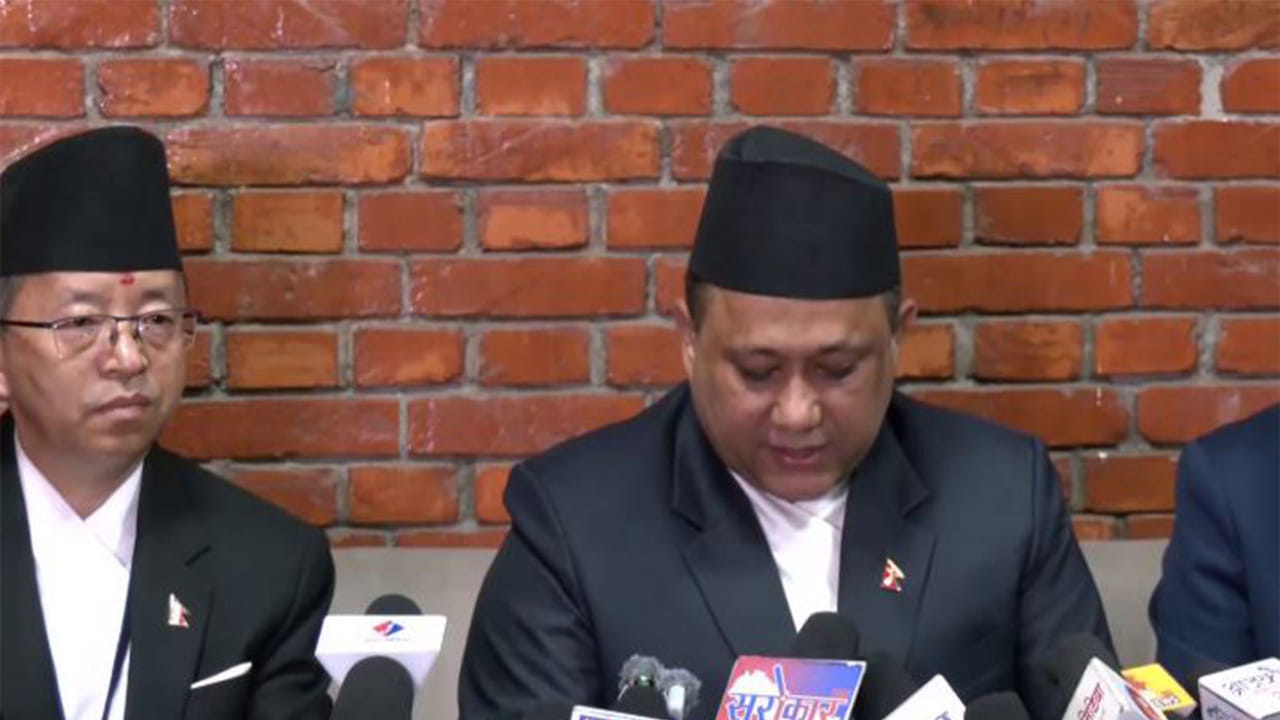
Kathmandu [Nepal], November 24 (ANI): Nepal Foreign Minister Shisir Khanal on Monday described Prime Minister Balendra Shah's two-day state visit to India as a milestone in bilateral relations, saying it had brought fresh momentum to the centuries-old partnership and steered Nepal-India ties onto a positive and constructive path.
Addressing a press briefing after Shah returned to Kathmandu following his November 22-23 visit, Khanal said the visit, undertaken at the invitation of Prime Minister Narendra Modi, was the first bilateral visit to India by the head of Nepal's current government, formed following the country's recent political transformation and general elections.
Expanding Economic and Strategic Cooperation
Prime Minister Shah had extended an invitation to his Indian counterpart, PM Modi, to visit Nepal. Khanal emphasized that the visit focused on strengthening the multidimensional relationship between the two countries while ensuring tangible benefits for their citizens. Shah held delegation-level talks with PM Modi at Hyderabad House in New Delhi, covering connectivity, energy, trade, and economic cooperation.
Joint Vision and Development Assistance
The leaders issued a Joint Vision Document titled 'Developed India – Prosperous Nepal'. India pledged development assistance worth Rs 15,000 crore for Nepal's reconstruction and development. Additionally, India granted Nepal access to two new ports—Deendayal Port and Paradip Port—to bolster international trade.
Connectivity and Future Initiatives
Key outcomes of the visit include the inauguration of passenger train services between Janakpur and Ayodhya, plans for a new IIT campus in Nepal, and significant agreements on energy transmission lines and petroleum pipelines. Both nations aim to review existing treaties to align bilateral relations with contemporary needs.