
Iran declares it will only negotiate after seven specific conditions are met, even as US Vice President JD Vance pushes for direct diplomatic engagement to resolve tensions and address the ongoing conflict between the two nations.
Iran Sets Conditions for Future Negotiations
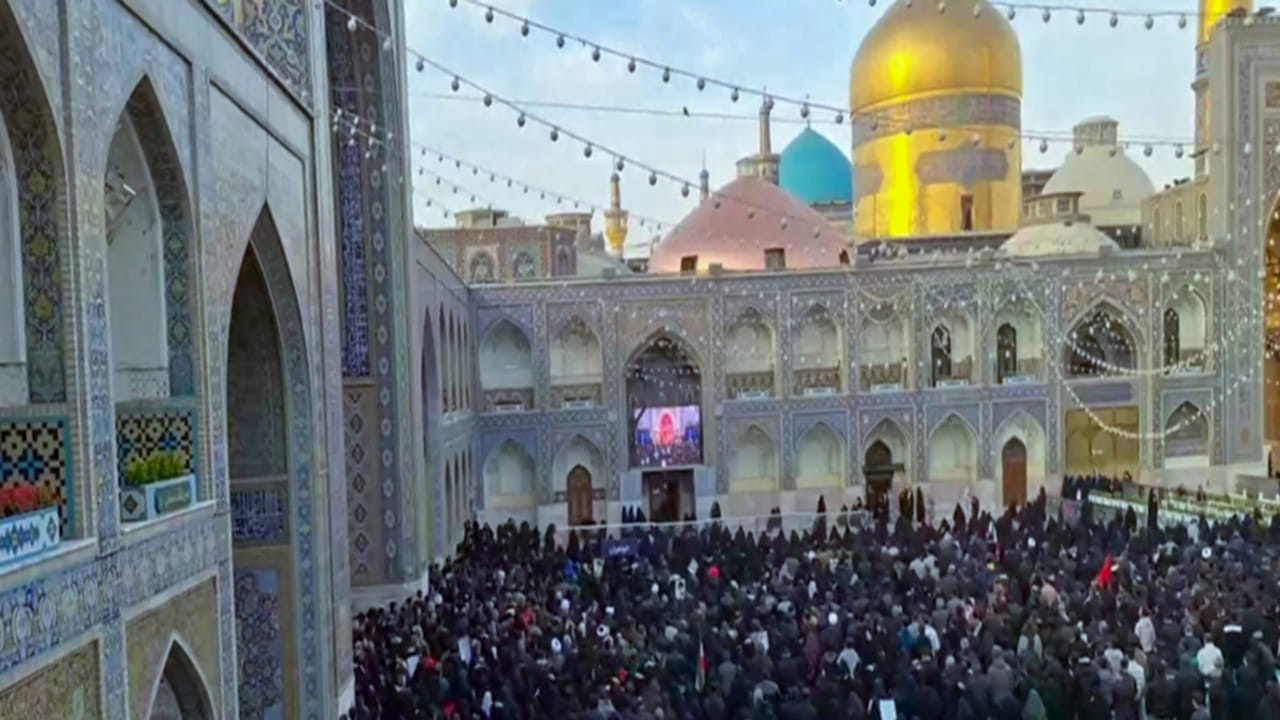
Iran will determine the format and agenda of any negotiations only after seven conditions laid down by Tehran have been fulfilled and accepted by the opposing side, Head of the Basij Organization Hossein Taeb said, stressing that meeting these requirements remains the country's primary concern. Addressing a ceremony in Tehran on Thursday to commemorate members of the Islamic Revolution Guards Corps (IRGC) Aerospace Force who were killed, Taeb said the timeframe proposed by the United States would not influence Iran's position, Iran's IRNA news agency reported.
“The Americans initially spoke of a seven-day deadline and then reduced it to two days, but it makes no difference to us. The main issue is the fulfilment of the conditions set by the Islamic Republic of Iran. After that, Iran will decide on the manner and subjects of negotiations,” he said.
Shifting Military and Strategic Perspectives
Taeb also highlighted what he described as a significant shift in the opposing side's assessment of Iran's military capabilities following the 12-day and 40-day military campaigns involving the US and Israel against Iran. He argued that developments during the two conflicts had substantially changed the enemy's earlier calculations regarding Iran's defence capabilities, IRNA reported. Turning to the strategic importance of the Strait of Hormuz, Taeb described the waterway as a determining factor in the emerging balance of power. He noted that the opposing side had responded by raising the possibility of imposing a blockade.
According to IRNA, Taeb further stressed that the central question at this stage was the ability of both sides to withstand the confrontation and their preparedness to sustain it, maintaining that endurance and the willingness to continue the confrontation would be decisive factors in the current situation.
US Diplomatic Pivot Led by JD Vance
Against this backdrop of firm Iranian positioning, United States Vice President JD Vance is considering the possibility of engaging in direct negotiations with a senior Iranian security official as the Trump administration seeks to carve out a diplomatic path towards resolving the ongoing conflict with Tehran, according to a report published by The Wall Street Journal on Wednesday, which cited American and Middle Eastern officials. As stated in the report, President Donald Trump has authorised Vance to take charge of fresh diplomatic initiatives, indicating his openness to restarting negotiations with Iran. The discussions are currently at a preliminary stage, with no meeting date finalised. Nevertheless, Washington and Iranian interlocutors have maintained contact through regional partners to explore options for resuming dialogue.
Internal Administration Dynamics
Vance reportedly wrote to Mohsen Rezaei, secretary-general of Iran's Supreme National Security Council, in October to request a meeting. However, Rezaei stated on Tuesday that there was no schedule for him to hold talks with the American Vice President. This diplomatic pivot underscores a notable evolution in the administration's approach, positioning Vance at the forefront of engagement with Tehran. His emergence has concurrently relegated envoys Steve Witkoff and Jared Kushner to secondary roles in ongoing negotiations, according to the Journal, citing US sources.
Taking the lead in the diplomatic initiative carries substantial political weight for Vance. While a successful resolution could elevate his standing by helping to end hostilities, failing to secure an agreement risks exposing him to severe domestic fallout. Publicly, Vance has linked the war directly to the Republican Party's setback in last week's midterm elections, characterising the ongoing conflict as an electoral liability. His stance diverges sharply from that of Secretary of State Marco Rubio and War Secretary Pete Hegseth, both of whom have endorsed Trump's broader military campaign.
Behind closed doors, Trump has privately voiced reservations about the June memorandum of understanding brokered partly by Vance. Two US officials told the Journal that the President views the arrangement as a strategic error that allowed Tehran to replenish its capabilities and generate revenue through oil exports. Rebutting these claims, a White House spokesperson rejected any suggestion of presidential regret, insisting that the negotiating team had acted with absolute integrity. Internal divisions persist over strategy. Officials noted that Rubio and White House Chief of Staff Stephen Miller advocate continuing the naval blockade until Tehran capitulates to American demands.
The diplomatic overture follows a broader conflict triggered on February 28 by joint US-Israeli military operations against Iran. Although a ceasefire took effect in April and resulted in a framework agreement in June designed to underpin a broader peace settlement, subsequent diplomatic efforts have stalled without producing a comprehensive agreement. With Vance spearheading the renewed diplomatic effort, the prospect of direct engagement introduces a new variable, though whether the Iranian leadership will ultimately sit across the table from the Vice President remains uncertain.
(Except for the headline, this story has not been edited by Asianetnews Editorial staff and is published from a syndicated feed.)







