
Iran refutes US VP JD Vance's claims about allowing nuclear inspectors, stating its engagement with the IAEA will strictly follow existing safeguards. This contradicts Vance's optimistic remarks about progress in recent US-Iran talks.
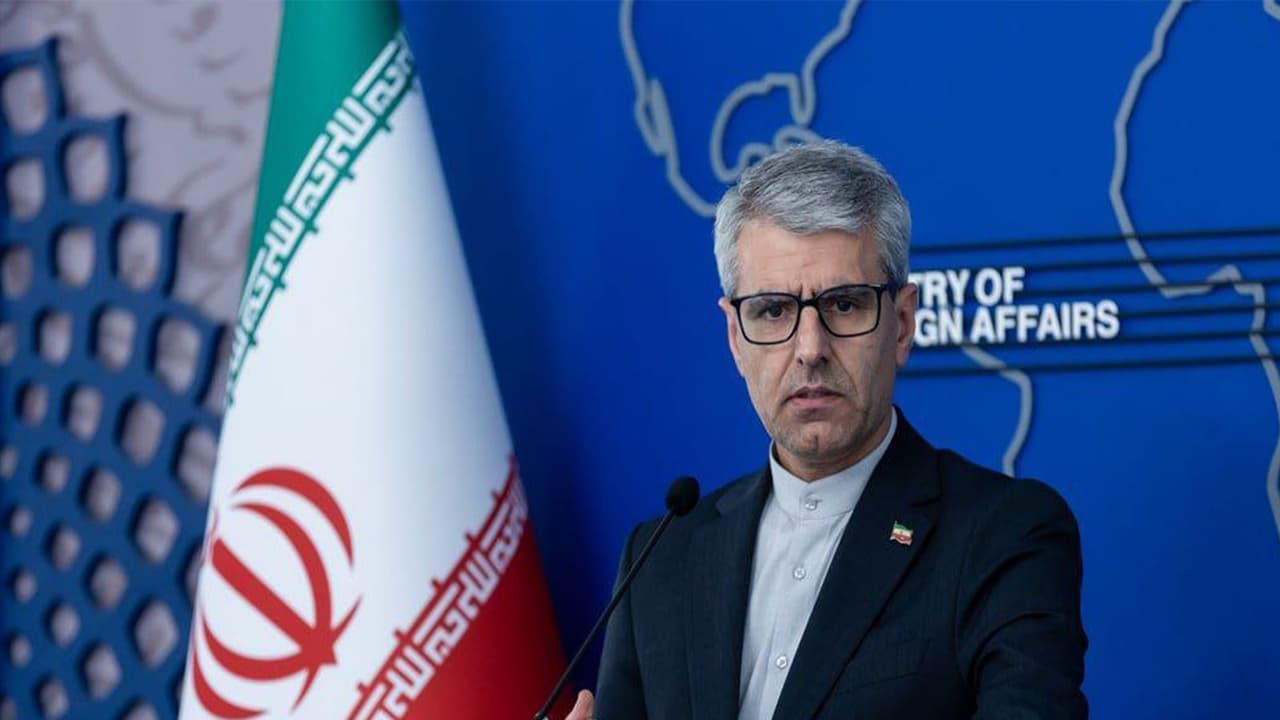
Iran has pushed back against claims made by US Vice President JD Vance that Tehran had agreed to allow international nuclear inspectors into the country, with Iranian Foreign Ministry spokesperson Esmaeil Baqaei stating that the country's engagement with the International Atomic Energy Agency (IAEA) would continue strictly under existing safeguards obligations and domestic legal frameworks.
Speaking to Iran's state-run news agency IRNA on Monday, following the recent US-Iran technical talks held in Switzerland, Baqaei responded to Vance's remarks, stating that the interaction with the United Nations nuclear watchdog will be based on the "Safeguards Agreements" between Tehran and the IAEA. "Iran's interactions with the Agency, in accordance with Iran's obligations under the Safeguards Agreements, will continue according to existing procedures and comply with the laws enacted by the Islamic Consultative Assembly and the decisions of the Supreme National Security Council (SNSC)," Baqaei told IRNA.
US VP Claims 'Successful Foundation' Laid
His remarks came after Vance, following the talks, claimed that Iran had agreed to permit nuclear inspectors to enter the country as part of progress achieved during negotiations between Washington and Tehran. Speaking to reporters at the Burgenstock resort in Switzerland on Monday, the US Vice President described the first day of talks as "very, very good" and said the discussions had laid the groundwork for a possible final agreement. "We laid a very good foundation for a successful final deal," Vance said, adding, "The final deal is the house... We haven't built the house, but we've laid a successful foundation to get to a good place for the American people."
Vance had also stated that Iran was allowing nuclear inspectors into the country and said inspection mechanisms would be strengthened to ensure that Tehran could not develop nuclear weapons.
Differing Accounts Emerge from Talks
The diplomatic discussions in Switzerland are aimed at addressing longstanding tensions between the two countries, including Iran's nuclear programme, uranium enrichment activities and broader regional security concerns.
However, according to sources familiar with the talks cited by IRNA, Iran did not engage in discussions related to its nuclear programme during the negotiations and did not agree to any new commitments. The sources further said that any future nuclear negotiations under the 14-point Memorandum of Understanding (MoU), which seeks to resolve the conflict between Iran and the United States in West Asia, would depend on the implementation of Paragraph 13 of the agreement.
The differing accounts from Washington and Tehran underscore the challenges that remain as both sides attempt to advance diplomatic efforts and reach a broader understanding on contentious nuclear and security issues. (ANI)
(Except for the headline, this story has not been edited by Asianet Newsable English staff and is published from a syndicated feed.)