
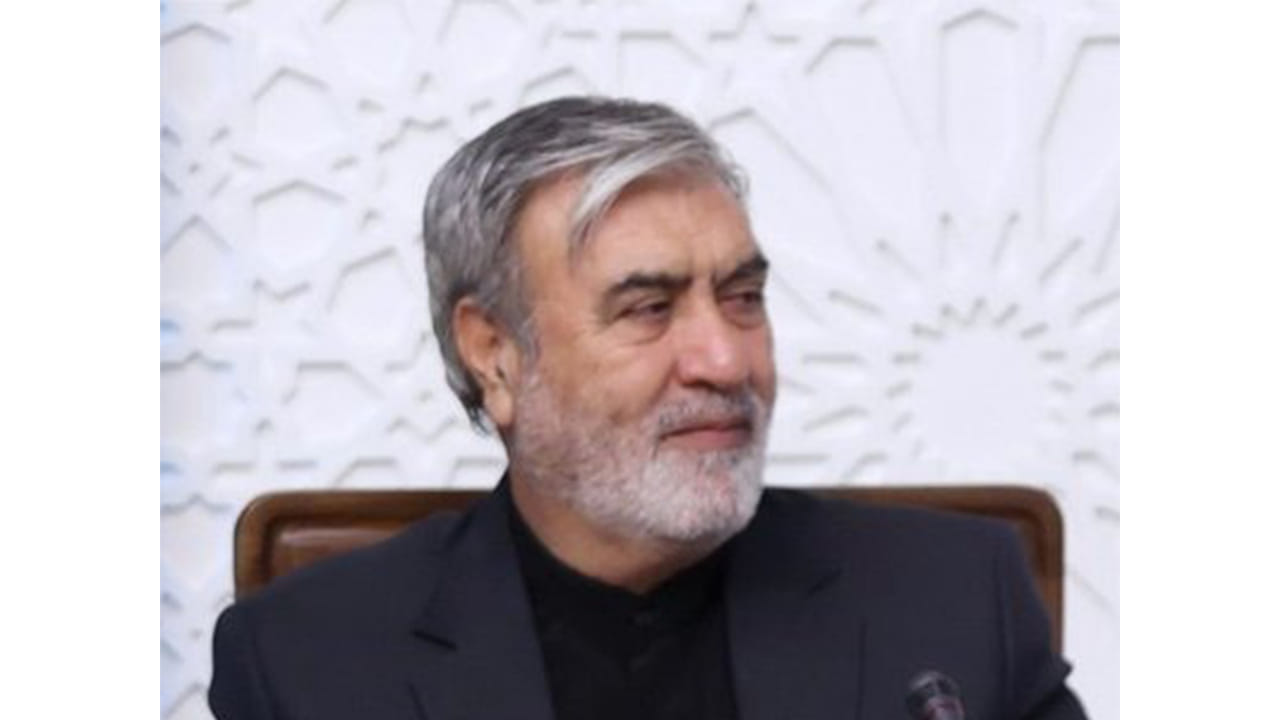
Iranian lawmaker Ebrahim Azizi claims resistance has pushed the US into a strategic dead end. He warns that any future aggression against Iran will be met with a more forceful response, citing ongoing tensions in the Strait of Hormuz.
Iran Claims US at Strategic Dead End Following Resistance Efforts
Tehran [Iran], November 14 (ANI): Iranian lawmaker Ebrahim Azizi has said that Iran's resistance across multiple fronts has pushed the United States into a strategic dead end. He warned Washington against further miscalculations, asserting that Tehran's response to any renewed aggression would be more forceful than ever before.
According to Iran's state news agency IRNA, Azizi, Chairman of the Iranian Parliament's National Security and Foreign Policy Commission, said on Friday that Iran's ability to disrupt the calculations of its adversaries stemmed from the Iranian people's steadfastness in the face of hostile actions by the United States and Israel. Recalling the history of tensions since the 1979 Islamic Revolution, Azizi accused Washington of repeatedly attempting to obstruct Iran through coups, military operations, economic sanctions and political pressure. He referred to the Nojeh coup attempt and the Tabas incident, alongside the war and sanctions imposed on the Islamic Republic.
Azizi said US President Donald Trump's frequently changing statements on negotiations, agreements, military action, weapons, the Strait of Hormuz and the destruction of Iran reflected Washington's inability to anticipate Tehran's response. He also dismissed the significance of political changes in the United States, saying that Iran's position remained unchanged regardless of whether Republicans or Democrats were in power. According to IRNA, Azizi described the two parties as "two sides of the same coin and two blades of the same pair of scissors" in their opposition to Iran and its interests. However, he argued that the political setbacks suffered by the ruling parties in the United States and Israel carried a message about the Iranian people's resilience that the international community should recognise.
“We had already warned that any war would take on a regional dimension, and it did. We had announced that we would close the Strait of Hormuz, and we did. We had also stated that we would strike any source of threat, and we carried it out,” Azizi said.
His remarks come amid heightened tensions in the strategically important Strait of Hormuz, where Iran's Islamic Revolutionary Guard Corps (IRGC) Navy claimed that two oil tankers attempting to transit the waterway had exploded and caught fire after striking naval mines. According to a statement carried by Iranian state media, the IRGC Navy alleged that the vessels were attempting to cross the strait without coordinating with Iranian authorities and had switched off their radar and positioning systems. The force subsequently warned shipping companies against navigating the waterway without following arrangements established by its Traffic Control Centre.
The developments also follow the IRGC's claim that its Aerospace Force had destroyed a US early-warning radar installation in Bahrain in retaliation for an alleged American attack on telecommunications infrastructure in Iran's Sirik region. However, the US Central Command (CENTCOM) rejected the claim, stating that two Iranian one-way attack drones targeting Bahrain had been intercepted by American forces, with no injuries or damage reported.
Earlier, IRGC Chief Commander Major General Ahmad Vahidi warned Washington that any further military action against Iran would invite "devastating and painful strikes". Meanwhile, Iranian Foreign Ministry spokesperson Esmaeil Baqaei cautioned countries against providing military or logistical assistance to the United States, warning that direct or indirect involvement in operations against Tehran would be considered participation in aggression. US President Donald Trump, meanwhile, has claimed that Washington has total control over the Strait of Hormuz and warned Tehran against threatening American officials, saying he would have "no hesitation" in using military force.








